Meloni Proposes Ban on Full-Face Veils in Italian Schools

Italy's PM proposes banning burqas and niqabs in schools and capping foreign student numbers ahead of the 2027 general election.
Key points
- PM Meloni proposed banning burqas and niqabs in Italian schools and making Italian language lessons compulsory for some parents.
- Italy currently lacks a specific ban on face veils, relying on a 1975 law regarding identification and a 2008 court ruling on religious exemptions.
- Foreign students make up about 12% of Italian school enrollment, already below the existing 30% legal cap per class.
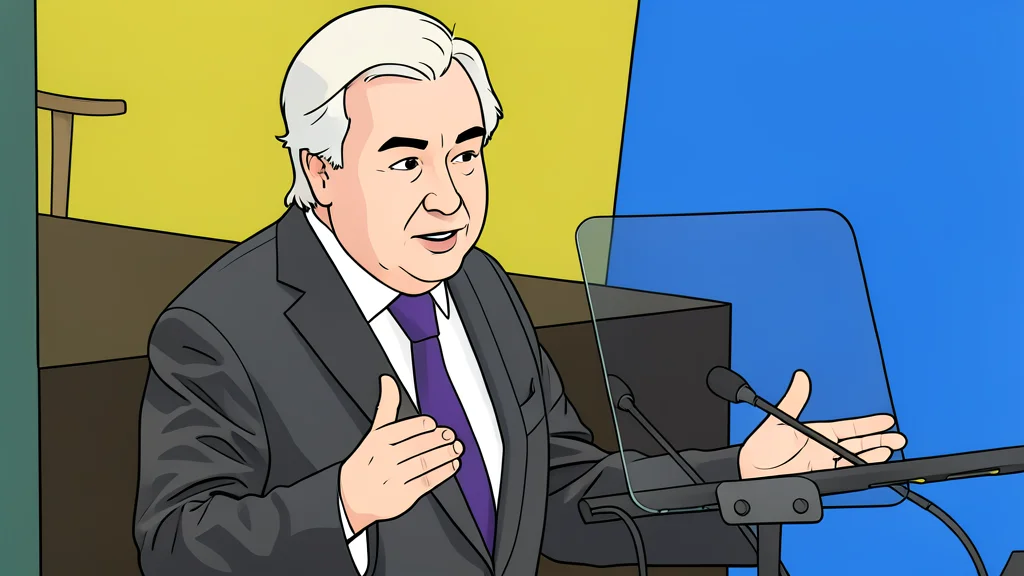
Italian Prime Minister Giorgia Meloni has announced proposals to prohibit the wearing of burqas and niqabs within school premises, signaling a significant shift in domestic policy regarding religious expression and integration. According to Al Jazeera English, the measures are expected to become a central issue in the upcoming general election scheduled for 2027.
At a gathering of the youth wing of her Brothers of Italy party in Rome, Meloni stated that the government intends to make Italian language lessons compulsory for parents of foreign students who face integration difficulties. She emphasized that learning the language and respecting local rules are prerequisites for those wishing to build a future in Italy, framing the proposals as a necessary step for effective inclusion.
Current Legal Framework on Face Coverings
Italy does not currently have a specific law banning face veils, although a 1975 regulation restricts garments that hinder identification without justified reason. A 2008 court ruling clarified that such coverings can be worn for religious or cultural reasons, provided the face is revealed when identity verification is required. The proposed ban would formalize restrictions that have previously been interpreted through broader identification laws.
The anti-immigrant League party, a member of the current governing coalition, had already submitted a bill earlier this year to ban helmets and garments except in specific contexts like sports events or places of worship. Meloni’s announcement aligns with this broader political trajectory, though the new proposal specifically targets the educational environment where current legal ambiguities have led to varied local enforcement.
Political Context and Electoral Pressure
While Meloni’s administration is the longest-serving government in Italy since World War II, her party faces growing competition from the National Future party. According to recent polling data, this rival group, which sits further to the right on the political spectrum, has seen a rapid increase in popularity since February. The National Future party called for a crackdown on burqas in schools as early as July, indicating that Meloni’s proposals may be a response to internal coalition pressure and electoral dynamics.
The Prime Minister’s remarks were met with a standing ovation at the Gioventu Nazionale festival, suggesting strong support within her party base. However, the implementation of these policies will require parliamentary approval within 60 days of government endorsement, a process that could face legal challenges and debate over the balance between religious freedom and state integration requirements.
Uncertainty Over Student Quotas
Alongside the veil ban, Meloni proposed a legal cap on the number of foreign students per class, although she did not specify how this would differ from existing regulations. Italian law already imposes a 30 percent limit on foreign student enrollment in schools, a threshold that is currently met, as foreign students comprise approximately 12 percent of total enrollment. The lack of clarity on how the new cap would function beyond existing standards has led to questions among education experts and policymakers.
The forward question remains how the government will define 'serious difficulties integrating' and enforce language requirements for parents without infringing on civil rights. Observers will watch for the specific legislative language drafted for the 60-day parliamentary window, as well as any legal objections from opposition parties or civil society groups who argue that such measures may stigmatize immigrant communities rather than facilitate integration.