India and US Integrate Drones and Robotic Systems in Joint Mountain Drills
Joint forces in Uttarakhand tested advanced counterterrorism tactics, marking a shift toward technology-enabled mountain warfare.
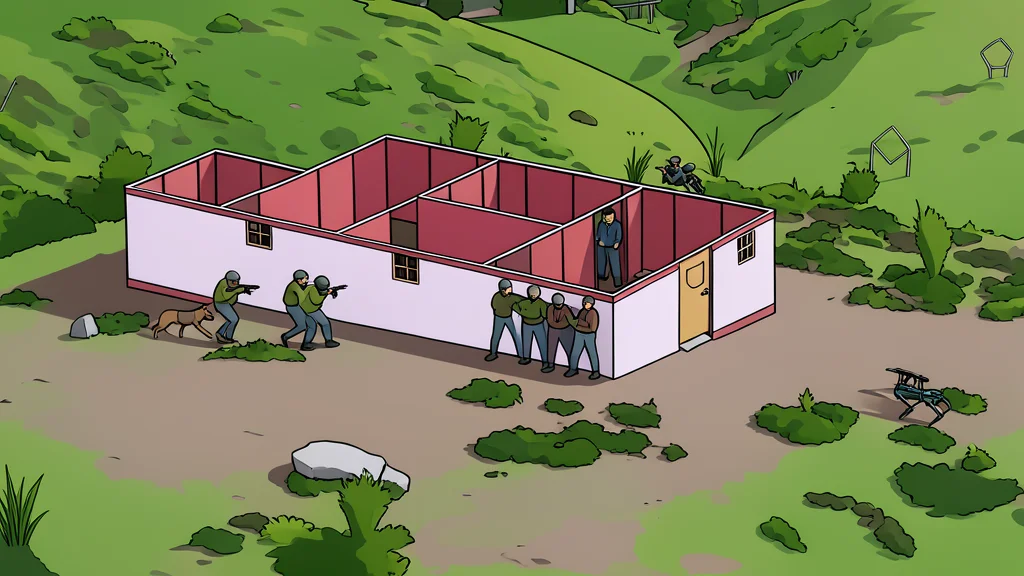
In the high-altitude terrain of Auli, Uttarakhand, Indian and American soldiers recently conducted a complex counterterrorism exercise. The drill, part of the 22nd edition of the Yudh Abhyas joint military training, focused on close-quarter building clearance. According to the Indian Army, the operation simulated a tactical scenario where assault teams were supported by a mix of traditional skills and modern autonomous technology.
The exercise highlights a broader strategic trend in military cooperation, where unmanned systems are increasingly integrated into conventional combat roles. By combining snipers, canines, and robotic assets, both nations aimed to test operational interoperability in challenging mountain environments. This collaboration seeks to refine joint planning capabilities and ensure that troops from both armies can function seamlessly together under pressure.
Advanced Technology in Tactical Operations
A defining feature of this year's training is the explicit use of drones and robotic canines. As reported by the GN auto geopolitics/terrorism: counter terrorism desk, these tools were not merely observational but played an active role in the simulated clearance operations. The integration of such systems allows for enhanced surveillance and reconnaissance, reducing the immediate risk to human operators during high-risk interventions.
US Army personnel interacted directly with the equipment and procedures employed by their Indian counterparts. This hands-on approach facilitates a deeper understanding of how each side utilizes emerging battlefield technologies. The focus on autonomous systems suggests a shared interest in adapting to modern conflict scenarios where speed and precision are critical.
Dual-Location Training Framework
While the counterterrorism drills took place in the snowy peaks of Uttarakhand, the broader exercise also occurred at the Mahajan Field Firing Range in Rajasthan. According to the ministry of defence, approximately 600 personnel from each nation participated in this simultaneous training. This dual-location strategy exposes troops to diverse operational environments, from dense mountain warfare to open-range firing exercises.
The opening ceremony, held on September 15, was addressed by senior military officials from both countries. Major General Amaresh Gunjan and Colonel Benjamin Jackman outlined the objectives of the exercise, emphasizing the importance of combined arms training. This structured approach ensures that the collaboration extends beyond simple troop interaction to a comprehensive exchange of tactical doctrines.
Strategic Implications for Regional Security
The emphasis on mountain warfare and counterterrorism capabilities signals a focus on specific regional security challenges. By refining their joint response to potential threats in difficult terrain, India and the United States strengthen their collective readiness. The exercise serves as a practical demonstration of the deepening military ties between the two democracies.
Looking ahead, observers will watch how these integrated technologies are further refined in future iterations of the exercise. The seamless blending of human and machine capabilities in such demanding conditions could set new standards for joint operations in other parts of the world. As the exercise concludes, the data gathered will likely inform future procurement and training strategies for both militaries.