Beijing Rejects US Sanctions Bill Targeting Russian Trade Partners

China has formally condemned a US legislative measure designed to penalize third countries that continue trading with Moscow. The move signals a significant escalation in diplomatic tensions over energy security and unilateral economic enforcement.
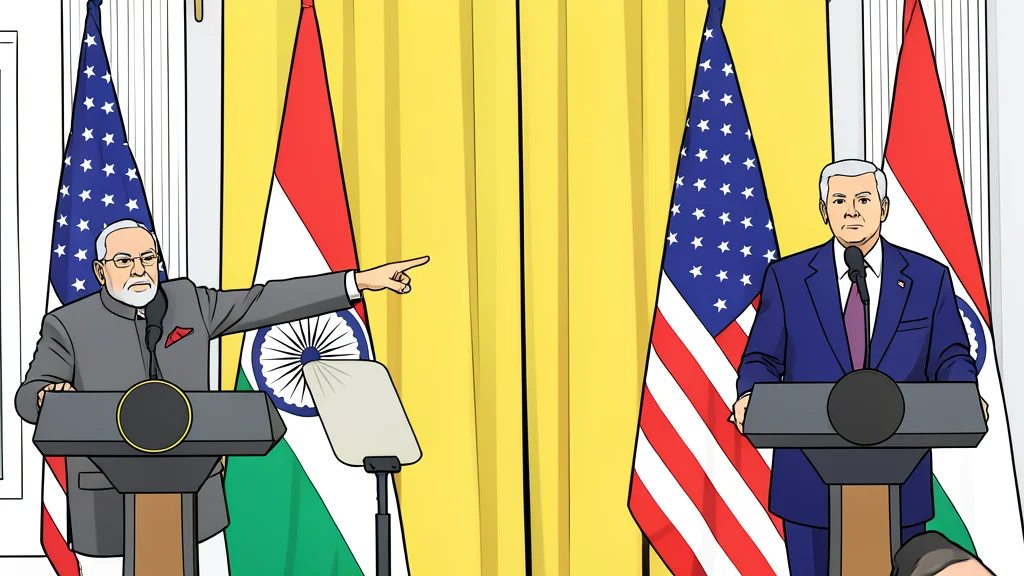
Beijing has issued a sharp rebuke of a new US sanctions framework that targets nations maintaining commercial ties with Russia. The Chinese Foreign Ministry characterized the legislation as an illegitimate exercise of long-arm jurisdiction, arguing that normal economic cooperation between sovereign states should not be subject to external coercion. This stance places Beijing directly in opposition to a measure that specifically names major importers of Russian energy, including India and China, as potential targets for steep tariffs.
The US House of Representatives approved the bill on Wednesday with a vote of 262 to 159, following its earlier passage by the Senate. The legislation, known as the Lindsey O Graham Sanctioning Russia and Iran Act 2026, is now awaiting the signature of President Donald Trump to become law. According to reports from GN geopolitics/trade (en-US), the bill aims to punish Russia for its ongoing military actions in Ukraine while simultaneously pressuring its key economic partners to reduce their reliance on Moscow’s energy exports.
Diplomatic Tensions Over Unilateral Measures
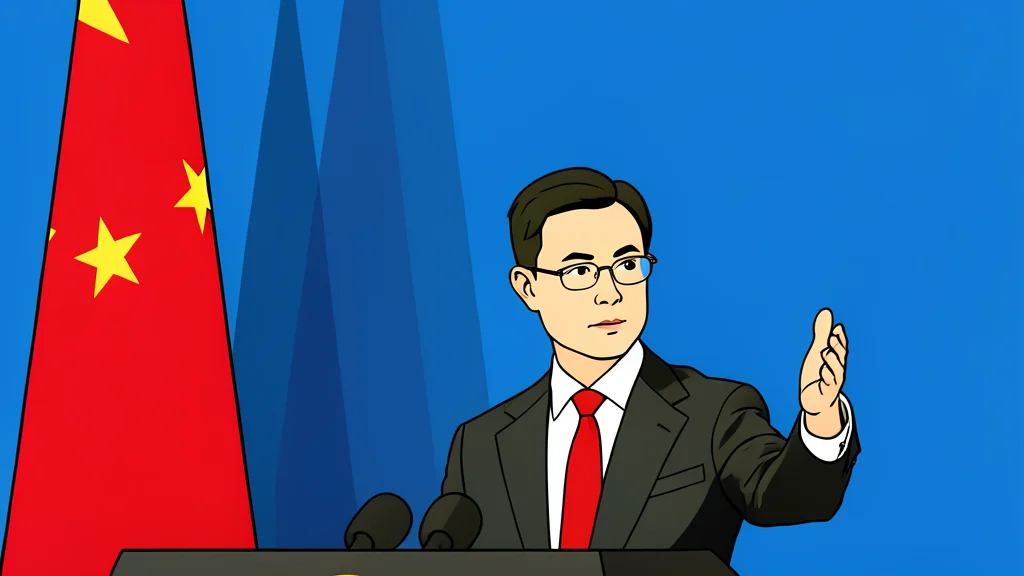
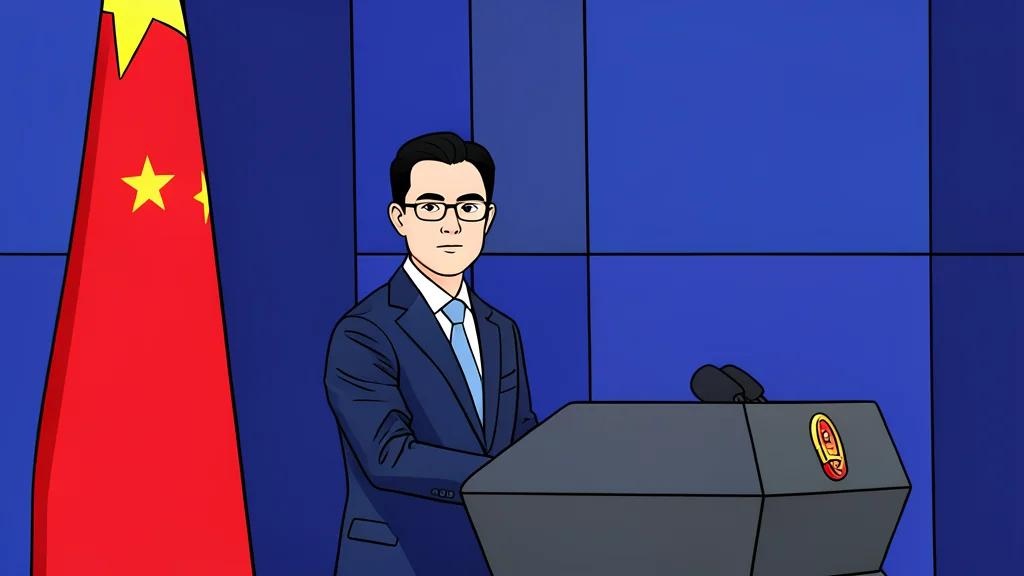
Chinese spokesperson Guo Jiakun stated during a media briefing that Beijing opposes any actions lacking authorization from the United Nations Security Council. He emphasized that China’s trade relations are built on principles of equality and mutual benefit, and that these interactions do not target third parties. The ministry’s response reflects a consistent diplomatic posture in which Beijing rejects unilateral sanctions regimes that it views as lacking a basis in international law.
This rejection comes against a backdrop of existing friction, as China has previously defied US restrictions by continuing to purchase oil from Iran. The current dispute highlights a broader geopolitical rift regarding the legitimacy of extraterritorial enforcement measures. While Washington seeks to isolate Moscow economically, Beijing argues that such efforts infringe upon the sovereignty of other nations to conduct business on their own terms.
Scale of Energy Trade Dependencies
The economic stakes are substantial, as China and India remain among the largest consumers of Russian hydrocarbons. Official data indicates that China’s imports of Russian oil and gas reached approximately 64 billion US dollars last year. In the current fiscal period, imports from January through August have already surpassed 70 billion US dollars. Much of this volume is transported via pipelines crossing the land border, creating a physical infrastructure dependency that is difficult to sever quickly.
The proposed tariffs would impose significant financial penalties on these trade flows if the bill is enacted. For Beijing, this represents not just a commercial issue but a strategic one, given the growing integration of its energy supply chain with Russian sources. The scale of these transactions underscores why the Chinese government views the legislation as a direct threat to its economic stability and energy security.
Next Steps for Legislative Action
With the bill now in the hands of the White House, the next phase will involve a decision by President Trump to sign or veto the measure. If signed, the legislation will trigger implementation mechanisms that could lead to immediate trade restrictions. Observers are watching for any reciprocal measures from Beijing, which may include diplomatic protests or economic countermeasures against US interests in the region.
The outcome will likely test the limits of US enforcement power in the global energy market. It will also set a precedent for how other nations respond to pressure to decouple from Russian trade. The coming weeks will reveal whether the US can sustain this policy without triggering broader trade fragmentation among major economies.