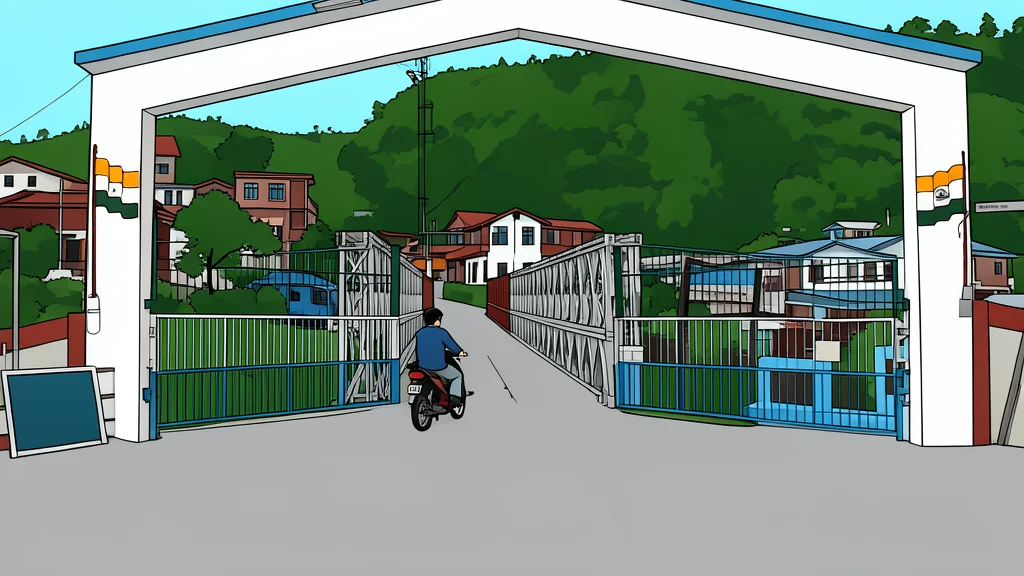
India Exports Power to Nepal Amid Post-Flood Energy Crisis
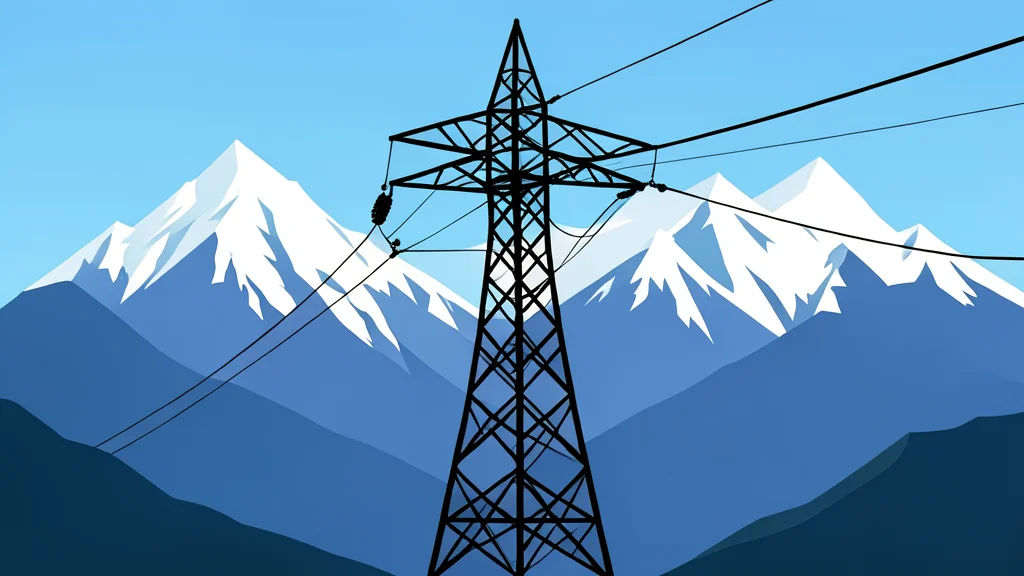
New Delhi has authorized the daily transfer of 654 megawatts to Kathmandu to address critical shortages following severe glacial flooding damage to hydropower infrastructure.
India has approved the expedited export of electricity to neighboring Nepal to help the country manage severe power shortages. The decision comes in response to extensive damage to hydropower infrastructure caused by devastating floods that struck the region last month. According to a statement from India’s Ministry of Power, up to 654 megawatts of electricity will be transmitted for 18 hours per day until the end of the year.
The ministry stated that this measure is intended to help Nepal meet its immediate energy requirements during this difficult period. It also noted that the approval aims to strengthen the close and longstanding energy cooperation between the two nations. Officials indicated that the volume of power exported will be reviewed in December to determine the supply levels needed for January.
Disaster disrupts regional energy balance
The flooding was triggered on August 26 by a glacial mountain collapse on the China-Nepal border. The event resulted in the deaths of more than 1,400 people across Nepal and Tibet, according to official reports. At least twelve hydropower projects in Nepal were damaged, with hundreds of workers among the thousands of missing persons reported in the aftermath.
Prior to the floods, nearly 100 percent of Nepal’s energy needs were met by hydropower. The country had been exporting surplus energy to India for several years. Since the disaster, this dynamic has reversed, forcing Nepal to import electricity to sustain basic operations. Thousands of displaced residents remain in aid centers, with limited prospects for immediate return to their homes.
Reconstruction costs and climate concerns
Nepali officials estimate that at least five billion dollars is required for initial rebuilding efforts. The United Nations and its partners are currently appealing for nearly fifty million dollars to assist survivors in the short term. According to local leaders, the disaster highlights the disproportionate impact of climate change on poorer nations that have contributed least to global emissions.
A study released this month suggests that the Himalayas are approaching a critical tipping point. Glaciers in the region are melting at a faster rate than a decade ago, threatening long-term water security. Researchers warn that the area may reach peak water levels by mid-century, posing significant risks to regional stability and resource availability.
Forward look at energy cooperation
As reconstruction efforts begin, the focus shifts to how bilateral energy policies will adapt to these new realities. The upcoming review in December will be crucial for determining the long-term structure of power exchanges between the two countries. Observers will be watching whether this emergency measure leads to a permanent shift in the regional energy trade landscape.