India Prioritizes Border Stability over Economic Concessions to China
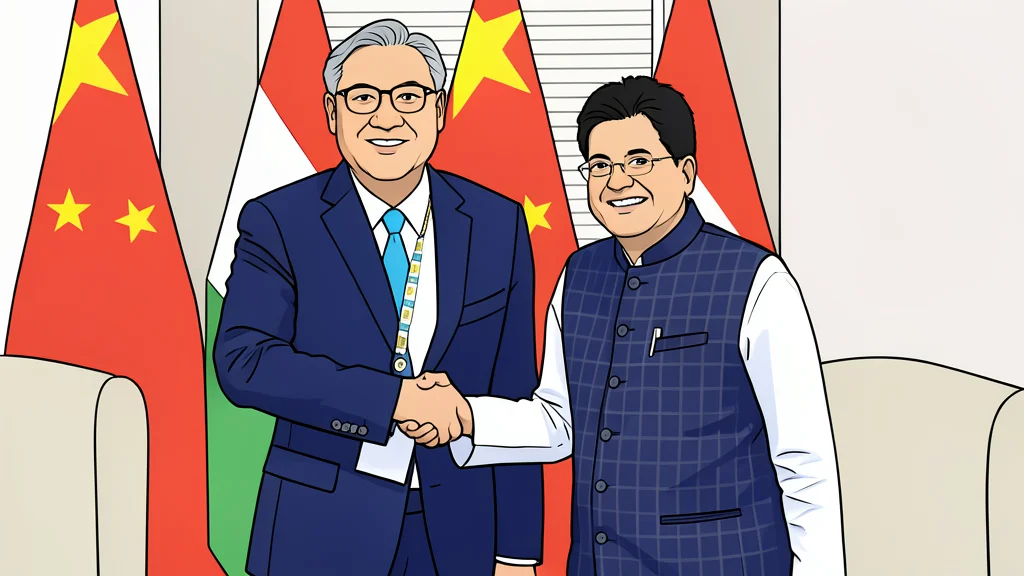
Despite recent high-level engagement, New Delhi maintains that lasting border peace is a prerequisite for deeper trade and investment cooperation with Beijing.
India is currently unwilling to extend significant trade or investment concessions to China until there is tangible assurance of peace and stability along their shared border. According to BusinessLine, this position holds firm despite the resumption of high-level economic dialogue following Chinese President Xi Jinping’s recent visit to New Delhi for the BRICS Summit. The stance reflects a cautious approach where diplomatic warmth has not yet translated into immediate economic liberalization.
The situation carries weight given the meeting between Commerce Minister Piyush Goyal and his Chinese counterpart Wang Wentao earlier this month. While the talks marked a return to structured trade negotiations, sources indicate that New Delhi is not prepared to advance on market access or investment rules without first seeing progress on border-related concerns. This sequence of priorities remains a central feature of the bilateral relationship.
Historical Context Shapes Current Stance
President Xi’s visit in September followed a seven-year gap in such high-level engagements, a pause exacerbated by the 2020 Galwan Valley clash and subsequent tensions along the Line of Actual Control. Although recent efforts have aimed to ease these frictions, disputes over alleged encroachment have reinforced India’s priority of maintaining a stable border environment. This historical backdrop continues to influence the current diplomatic and economic calculus.
Trade Deficits and Regulatory Barriers
During their discussions, India raised concerns regarding Beijing’s restrictions on rare earth mineral and high-technology exports, as well as the widening trade deficit. Conversely, China sought greater liberalization of India’s investment regime, particularly for companies from countries sharing a land border. Officials noted that while some nominal concessions were made earlier this year, Beijing desires the total removal of investment restrictions.
Bilateral trade reached a record $151 billion in the latest fiscal year, yet the balance remains heavily skewed in China’s favor, with Indian imports from China totaling $131.6 billion. This asymmetry highlights the economic stakes involved, although both sides acknowledge that substantial regulatory changes are unlikely until the border situation improves.
Diplomatic Statements on Parallel Progress
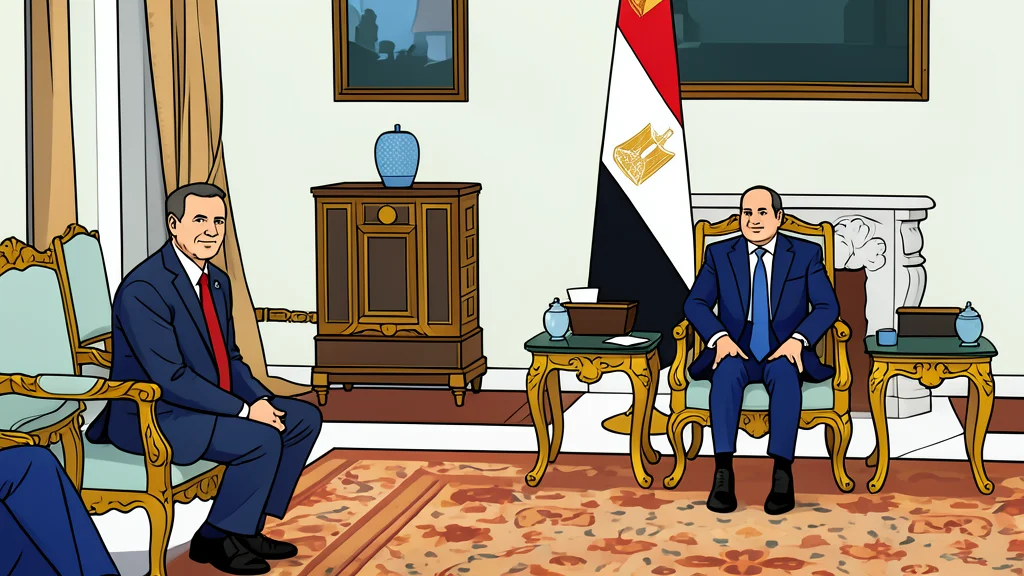
In their bilateral meeting, Prime Minister Narendra Modi emphasized that peace and tranquility in border areas are an essential basis for developing bilateral relations. He stressed the importance of adhering to existing agreements on border issues. President Xi responded by urging both nations to take a long-term strategic view of their relationship, advocating for parallel and mutually reinforcing progress on development and boundary resolution.
The forward question now lies in whether the diplomatic momentum can bridge the gap between economic aspirations and security realities. Observers will watch for any substantive shifts in border disengagement or regulatory frameworks in the coming months, as both nations navigate the complex interplay between strategic rivalry and economic interdependence.