Korea Secures $20 Billion Cushion in U.S. Nuclear Deal
Seoul has structured a $120 billion nuclear project with a $20 billion risk buffer that counts as investment even if unused.
Key points
- A $20 billion risk buffer in the $120 billion U.S. nuclear deal counts as Korean investment even if unused.
- The project includes six Westinghouse AP1000 reactors and two Korean APR1400 units.
- Cost overruns are shared based on fault determination, with no automatic obligation for Seoul to fund excess costs.
South Korea and the United States have finalized a framework agreement for the construction of eight nuclear reactors, incorporating a significant financial safety net. According to Seoul Economic Daily, the deal sets aside up to $20 billion as a cushion against potential cost overruns within a larger $120 billion investment package.
The structure of the agreement is designed to incentivize timely completion. If Korean firms manage to finish the projects within the initial budget, the unspent portion of the risk buffer is still credited toward Korea’s total investment commitment in the United States, effectively securing a financial benefit without additional capital expenditure.
Financial structure of reactor project
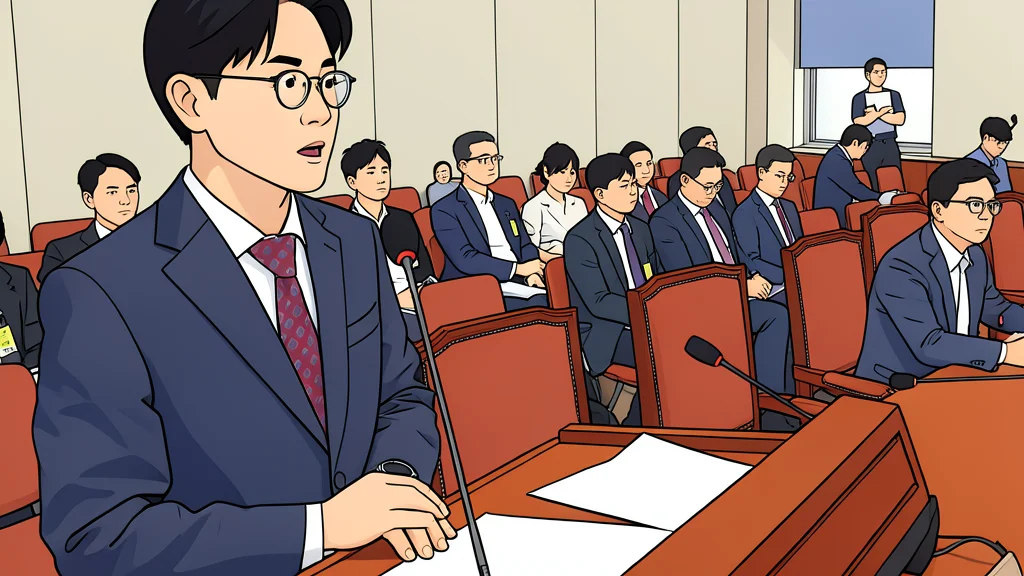
The project encompasses six AP1000 units from Westinghouse Electric and two APR1400 units developed by South Korea. During a closed-door briefing to the National Assembly’s Trade Committee, officials detailed how the $20 billion buffer is earmarked specifically for construction risks. This arrangement allows Seoul to avoid automatic liability for unexpected expenses, a critical distinction from previous international nuclear contracts.
Risk allocation and liability limits
Unlike earlier negotiations where responsibility for overruns was ambiguous, this framework mandates that any additional costs be shared based on strict fault determinations under contractor agreements. The Korean government faces no automatic obligation to inject further funds if costs exceed the buffer, ensuring that financial exposure remains tied to verified operational failures rather than market fluctuations.
This approach draws a clear lesson from Japan’s earlier difficulties with U.S. investment talks, where unclear liability clauses led to significant financial strain. By defining the boundaries of risk, Seoul aims to prevent the delays and budget bloats that have historically plagued large-scale nuclear infrastructure projects.
Future review of commercial rationale
Government officials indicated that the current agreement serves as a foundational framework rather than a final commitment. The state plans to conduct a rigorous review of the commercial viability for each individual reactor as the project details solidify. This phased approach allows Seoul to make final investment decisions based on evolving market conditions and technical assessments.