Iran Diplomacy Intensifies at UN Amid Hormuz Shipping Crisis
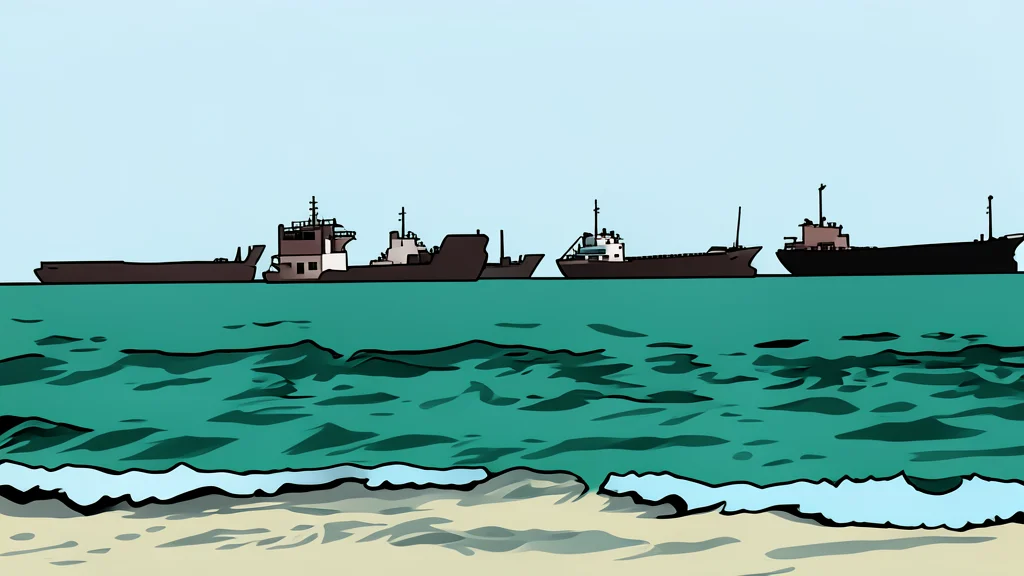
Western and Gulf states push for regional security frameworks and infrastructure rebuilding as shipping disruption persists.
Key points
- Qatar and UAE push for a regional security framework involving Iran, while Saudi Arabia discusses a non-aggression pact.
- The US proposes a $5 billion contribution to a fund for rebuilding regional energy infrastructure and reducing reliance on Hormuz.
- Iraqi officials claim $60 billion in revenue losses due to blocked tankers, while the US has redirected 110 commercial vessels.
Diplomatic activity in New York has intensified as Western and regional governments seek to stabilize the escalating conflict involving Iran. According to Iran International, the primary focus of these efforts is to restore safe navigation through the Strait of Hormuz and to establish conditions for renewed negotiations with Tehran. The urgency is driven by the severe pressure the ongoing crisis is placing on global energy markets and regional security.
Gulf States Reassess Security Approach
Qatar and the United Arab Emirates are advocating for a common regional security framework that includes Iran. Reports from the Financial Times indicate that Saudi Arabia has also discussed the possibility of a non-aggression pact with Tehran. These moves suggest that Persian Gulf states are reassessing their long-term strategic posture, aiming to create a durable security arrangement rather than merely seeking a temporary pause in hostilities.
Economic Pressure Drives Infrastructure Plans
The disruption of shipping routes has become a central economic pressure point, prompting significant financial responses. The Trump administration has proposed contributing $5 billion to a fund for rebuilding regional energy infrastructure, with partners asked to match this amount. However, according to the Wall Street Journal, some officials have questioned whether reconstruction can safely proceed without a formal peace agreement, given the persistent risk of renewed attacks on energy facilities.
The economic consequences are already visible beyond Iran's borders. Iraqi Prime Minister Ali al-Zaidi stated that Tehran has prevented Iraqi tankers from passing through the strait, resulting in an estimated $60 billion in lost revenue for Baghdad since the conflict began. Meanwhile, US Central Command reported that forces have redirected 110 commercial vessels as part of a blockade, further complicating regional trade and logistics.
Military Readiness Amid Diplomatic Efforts
Despite the diplomatic push, Tehran continues to signal military preparedness. An IRGC deputy commander stated that Iran is strengthening its missile, drone, and cyber capabilities. This posture contrasts with the diplomatic activity in New York, where G7 foreign ministers have called for Iran to cease supporting Houthi attacks in the Red Sea. The coexistence of high-level talks and military buildup creates a fragile environment where any miscalculation could lead to further escalation.