Myanmar's Civic Space Remains Under Severe Pressure
New UN reports highlight persistent abuses against activists and journalists, urging the international community to escalate accountability measures.
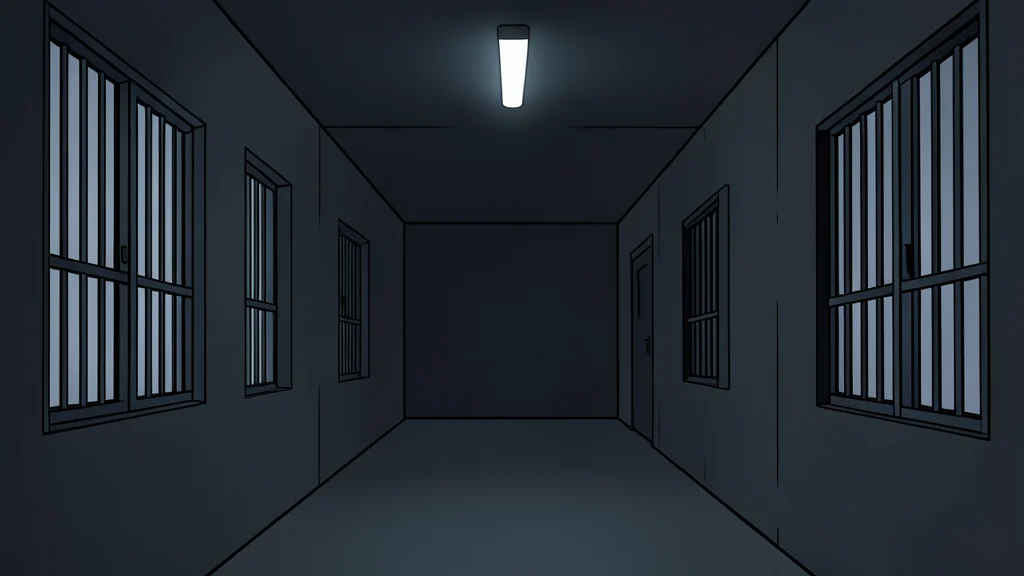
The civic space in Myanmar continues to contract, with the CIVICUS Monitor rating the environment as 'closed.' Since the 2021 coup, thousands of activists and protesters have faced detention on fabricated charges, including terrorism and sedition. Many have been convicted by secret military tribunals and subjected to harsh sentences, ranging from long prison terms to the death penalty. According to recent assessments, this crackdown has forced numerous independent civil society groups to shut down, operate underground, or relocate abroad.
In March 2026, the UN Human Rights Council adopted a resolution expressing serious concern over the military's unilateral election process. The body noted that the polls excluded significant geographical areas and political parties, rendering the event neither free nor fair. This diplomatic stance aligns with broader international frustration over the regime's refusal to allow meaningful participation from all political factions, a stance that has only deepened the political isolation of the military government.
Impunity Remains the Central Challenge
Tom Andrews, the former UN Special Rapporteur on Myanmar, released his final report in April 2026, warning that decades of impunity have led to a human rights catastrophe. He urged the international community to intensify efforts for accountability, noting that while cases before international tribunals offer some hope to victims, they remain too narrow in scope to dismantle the system shielding the military. According to Andrews, these judicial avenues are insufficient to break the entrenched culture of non-accountability that characterizes the current regime.
The scale of repression was further detailed in a report presented by the High Commissioner for Human Rights in June 2026. The document stated that since the coup, 30,508 individuals have been arrested on political grounds, with 22,799 still in detention. Prosecutions have intensified ahead of elections, with individuals facing disproportionate punishment for minor online criticism. Access to information remains precarious due to widespread internet shutdowns, further isolating the population from outside oversight.
Evidence of Systematic Abuse
Investigations by the Independent Investigative Mechanism for Myanmar, released in August 2026, reveal a pattern of deliberate aerial attacks targeting homes, schools, medical facilities, and religious buildings. The mechanism also documented extensive evidence of arbitrary detention, torture, and sexual violence in military-run facilities. These abuses are linked to a 2025 law that criminalizes criticism of the elections, exposing individuals to up to 20 years of imprisonment or the death penalty for activities such as posting critical comments on social media.
A separate UN report from the same period indicated that the human rights situation for minority communities has plummeted to new lows. This includes the brutal abuse of the Rohingya population and the devastating impact of illicit economies, particularly illegal mining for rare earths. The convergence of state violence and economic exploitation has created a complex crisis that affects both individual freedoms and regional stability.
Calls for International Intervention
On September 7, 2026, UN High Commissioner Volker Türk warned that efforts to normalize relations without evidence of compliance with international law will only fuel greater violence. He urged member states to refer the situation in Myanmar to the International Criminal Court through the Security Council. Additionally, he called for an end to the transfer of arms, ammunition, and dual-use items to the country, citing a clear risk that such transfers facilitate violations of international humanitarian law.
Reports emerging since March 2026 have also highlighted increased digital repression against human rights defenders, particularly in Kachin and Northern Shan states. Environmental defenders face specific risks, including criminalization and physical attacks. The persistence of torture and ill-treatment of political prisoners suggests that the pressure on civil society is intensifying rather than abating. The next phase will likely depend on whether diplomatic pressure translates into concrete security council action or continued economic engagement with the regime.