Guterres Urges Security Council Reform Amidst Institutional Stagnation
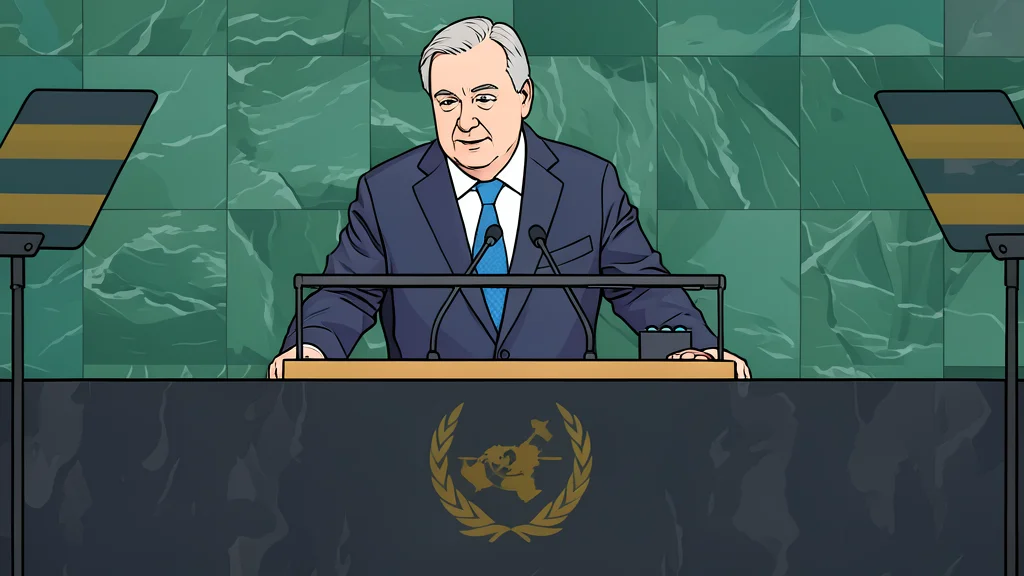
The UN Secretary-General has called for urgent structural changes to the Security Council, arguing that its current composition reflects a geopolitical reality that no longer exists.
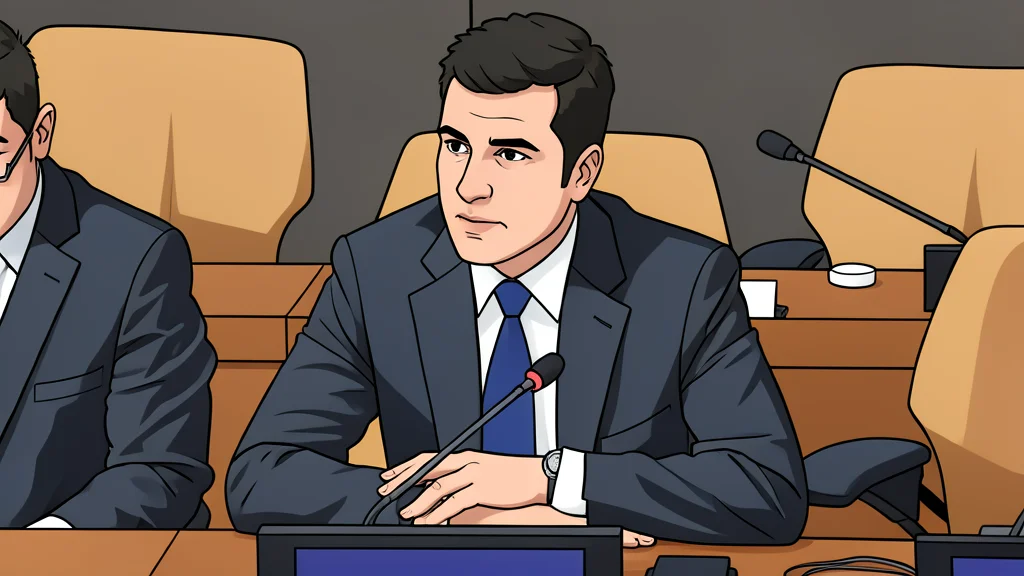
United Nations Secretary-General Antonio Guterres has issued a stark assessment of the global security architecture, stating that the Security Council remains paralyzed by a composition that mirrors the world of decades past. Speaking ahead of the high-level week of the 81st session of the General Assembly, Guterres emphasized that the body’s inability to act effectively is a direct result of its outdated structure.
The Secretary-General described the current state of multilateralism as an environment of impunity, where major powers are perceived to operate outside the constraints of international law. According to Guterres, this perception encourages other nations to disregard legal norms, believing that the Security Council’s paralysis prevents any meaningful accountability or enforcement.
Impunity Fuels Erosion of Global Norms
Guterres argued that the failure of the Security Council to maintain peace and security has created a dangerous vacuum in international governance. He noted that when the most powerful nations are seen violating international humanitarian and human rights law without consequence, it sets a precedent that undermines the rule of law globally. This dynamic, he suggested, is accelerating a trend where more countries feel entitled to act unilaterally, further fracturing the multilateral order.
The UN chief highlighted that the root of this crisis lies in the distribution of power. He stated that the current system does not allow multilateral institutions to function effectively because it fails to reflect the shifting geopolitical landscape. The result is a body that is structurally incapable of addressing contemporary security challenges, leading to a widespread sense of frustration among member states.
Shifting Economic Power Dynamics
Addressing the question of emerging blocs like BRICS, Guterres pointed to the changing nature of the global economy. He observed that the relative weight of developed nations in global GDP is diminishing, while the influence of emerging economies continues to grow. This economic shift, he argued, no longer aligns with the power relations established at the end of World War II, which still dictate the structure of key international institutions.
According to Guterres, there is an essential need for a redistribution of power within the multilateral framework. He identified the Security Council and the Bretton Woods system as the two critical areas where reform is most urgent. Without adjusting these institutions to reflect the current global reality, the UN risks becoming increasingly irrelevant in its mission to promote peace and development.
Final Tenure and Future Outlook
These remarks come as Guterres prepares for his final high-level week at the General Assembly, a period that marks the end of his second tenure in December 2026. As he addresses world leaders, including US President Donald Trump, the call for reform serves as a central theme of his concluding diplomatic efforts. The focus remains on whether the international community will seize this moment to modernize its core institutions.
The upcoming debates will likely center on how to bridge the gap between the post-war order and the current multipolar reality. The success of these discussions will depend on the willingness of major powers to accept a more representative structure. For now, the UN continues to operate under the weight of its historical composition, with the potential for significant change hanging in the balance.