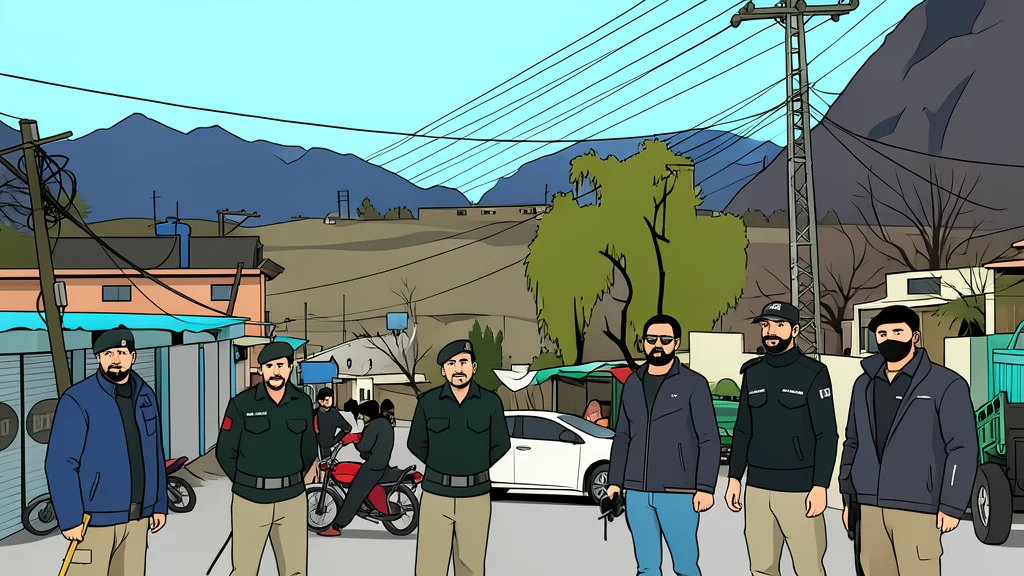
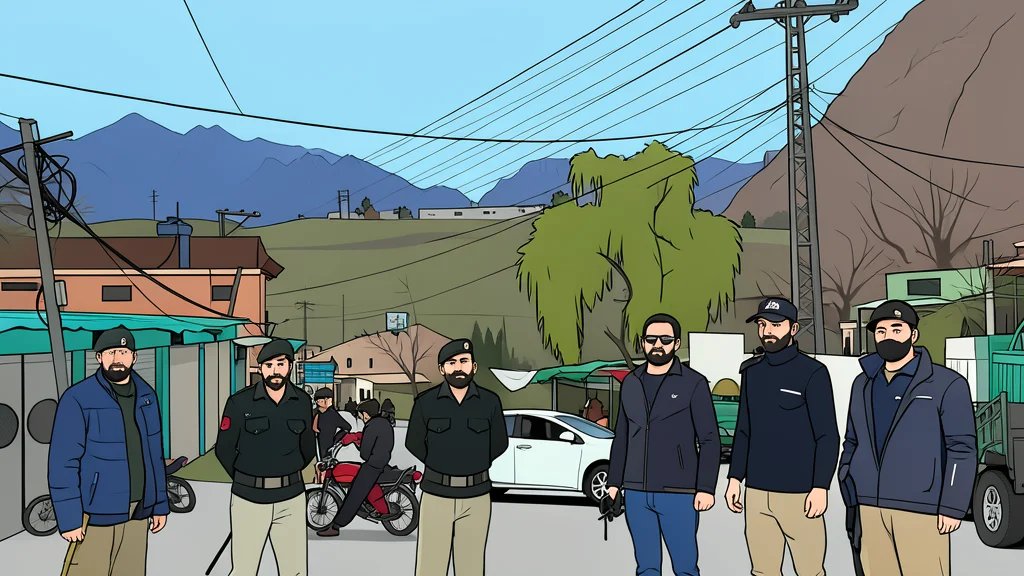
Nepal Flood Survivors Face Vanished Homes and Uncertain Future

In the aftermath of the glacial collapse, residents of the Trishuli River valley confront a landscape where their former homes and communities have been erased by layers of grey silt.
For Anusa Thapa Magar, the journey from her job in the Maldives to her hometown of Betrawati was driven by a fragile hope. She had rushed home expecting to find her grandmother safe, but instead she encountered a flat expanse of hardened grey silt where the riverside town once stood. The house was gone, and with it, the last known location of her elderly relative. This scene mirrors the broader devastation reported by Al Jazeera English, where thousands have been displaced and thousands more remain missing after a torrent of mud and rock tore through settlements along the Trishuli River.
The disaster, triggered by a glacial collapse near the Nepal-China border, has left a physical and emotional scar on the region. Authorities indicate that at least 1,386 people have been killed on the Nepal side, with over 5,000 still missing. Searches have yielded few survivors in recent days, shifting the focus from rescue to recovery and mourning. The landscape itself has changed fundamentally, forcing survivors to navigate a new, barren terrain to reach the sites of their former lives.
Traces of Panic in the Debris
Accessing the destroyed areas now requires climbing steep hillsides and crossing narrow ridges to descend into the wasteland. Along these routes, scattered personal items such as shoes, school ties, and children's backpacks serve as silent evidence of the chaos during the flood. Residents describe these objects as remnants of the frantic scramble to flee the surging waters. For Kalpana Thapa Magar, a garment business owner, the memory of the event is visceral. She recalls a warning from a friend upstream and the immediate decision to run, only to look back and find that everything, including the people behind her, had vanished.
Reopening Old Wounds in the Valley
The current disaster forces a painful comparison with the 2015 earthquake that killed nearly 9,000 people. While the earthquake allowed families to rebuild on their original plots, this flood has erased the land itself. Sita Thapa Magar, a local teacher, notes that the loss is total, encompassing houses, land, and future prospects. In Devighat, downstream, residents find themselves picking through shattered shells of houses, yet many see no reason to return. The ground beneath their feet has effectively disappeared beneath layers of debris, making reconstruction seem impossible.
Shanti Dangol, a 61-year-old former lodge owner, clutched a photograph of her three-storey building, now reduced to a single broken floor tile. She reflects on the economic progress the community had made, serving pilgrims and trekkers, only to see it all vanish. The absence of tangible traces of their former lives underscores the severity of the loss, leaving survivors to grapple with a future that is uncertain and a past that has been physically erased.
Looking Ahead to Recovery Efforts
As the immediate rescue phase wanes, attention turns to the long-term implications of the disaster. The sheer scale of the missing persons list and the total loss of infrastructure in key settlements suggest that recovery will be a protracted process. The forward question remains how communities will be supported to rebuild in a landscape that has fundamentally changed, and how the memory of those lost will be preserved when their homes no longer exist.