Overnight Detentions in Intan Jaya Raise Procedural Questions

Two civilians were detained during a midnight operation in Central Papua before being released following community intervention. The incident highlights ongoing tensions regarding military procedures in the region.
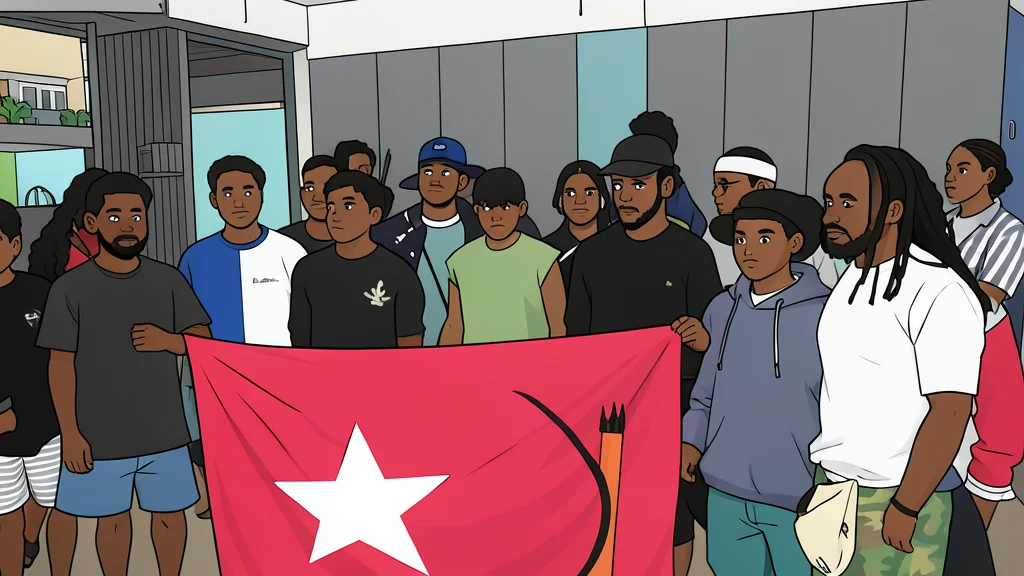
Military personnel in Central Papua reportedly detained two local men during an overnight operation in Intan Jaya Regency. According to information gathered by local sources, the incident began around midnight on September 8, 2026, in Eknemba Village. Both individuals were taken to a nearby military outpost and held until the following morning, when they were released after local residents and community representatives intervened to negotiate their return.
The release of the two men, identified as Melkias Hagismijau and Pius Emani, occurred without the filing of criminal charges. Local accounts indicate that the operation continued into the early hours of September 9, with the detainees being questioned at the Eknemba TNI Outpost. The situation de-escalated only after community leaders approached the post commander, leading to the men being allowed to return to their homes on the same day.
Pattern of Recent Detentions
This event follows a similar incident just days earlier in the same district. On September 5, 2026, five indigenous Papuans were reportedly detained near a military post in Sugapa. According to reports from GN geopolitics/rights (en-US), these individuals were accused of links to the West Papua National Liberation Army. After approximately 24 hours of questioning, all five men were released because authorities reportedly failed to establish evidence substantiating the allegations against them.
The recurrence of such events in a short period underscores the persistent friction between military operations and civilian communities in the region. Local sources describe a pattern where civilians are apprehended during night-time operations, often without immediate legal documentation or specific charges presented at the time of arrest. The reliance on community pressure to secure releases suggests a gap in standard procedural safeguards during these encounters.
Legal Framework and Rights Concerns
The detention of individuals for even a few hours engages protections under Article 9 of the International Covenant on Civil and Political Rights. Indonesia, as a State Party, is required to ensure that any deprivation of liberty has a clear legal basis and follows established procedures. Human rights analysts note that arbitrariness in this context includes not just formal illegality, but also issues of injustice, lack of due process, and proportionality. The current information does not indicate that the men were presented with arrest warrants or informed of specific criminal allegations during their detention.
Domestic law further complicates the issue, as Indonesia’s new Criminal Procedure Code, effective January 2026, sets strict guidelines for arrests. The law requires arrests to be based on at least two items of evidence and mandates that investigators present assignment documentation and an arrest warrant. The ordinary maximum duration for such detention is 24 hours. On the information presently available, there is no indication that the procedures outlined in the new code were fully observed in the case of Hagismijau and Emani.
Watch for Official Responses
In the coming days, attention will turn to whether military authorities issue an official statement regarding the incident. Observers will look for any formal investigation into the procedural aspects of the detention, particularly given the recent implementation of the new criminal procedure laws. The reaction of local community organizations and human rights groups will also be a key indicator of the broader political climate in Intan Jaya.
The forward question remains whether these isolated incidents will lead to a broader review of operational protocols in Central Papua. Without clear accountability mechanisms or transparent reporting, similar events may continue to strain relations between the state and local populations. The coming weeks will likely reveal if any policy adjustments or disciplinary actions are taken in response to the September detentions.