Sochi Polling Stations Close Amid Drone Threat During Duma Vote
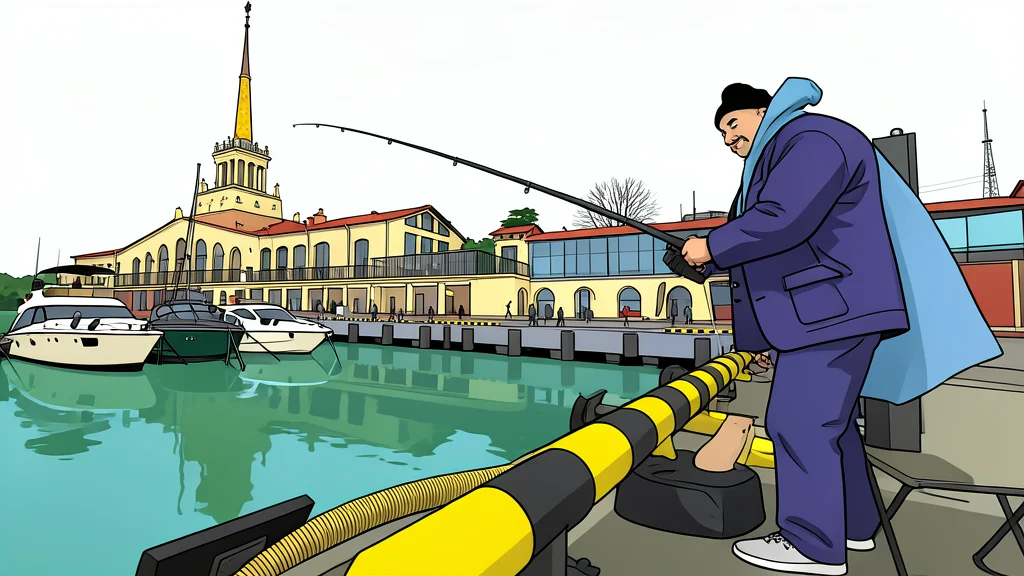
Voting in the Black Sea resort city was temporarily suspended as authorities cited security risks, marking a significant disruption during Russia's first legislative elections since the full-scale war began.
Polling stations in Sochi, Russia, were forced to close on September 18 due to a reported threat of a Ukrainian drone attack, according to local authorities. The suspension of voting services in the Black Sea resort city represents a notable interruption during the first State Duma elections held since the start of the full-scale war in Ukraine. City officials stated that exhaustive security measures had been implemented and that all individuals present at the precincts were moved to shelters until the threat was deemed lifted.
The incident occurred on the first day of a three-day voting period for the 450-member lower chamber of the Russian legislature. In addition to federal lawmakers, voters across the country are selecting regional governors and parliaments. The Kremlin views these elections as a crucial indicator of domestic support for the ongoing conflict, which has now lasted more than four and a half years. The ruling United Russia party is widely expected to retain its majority, though the logistical disruptions in coastal cities raise questions about the stability of the electoral process in regions increasingly exposed to military activity.
Security Measures Cited for Closure
Andrey Propushin, the mayor of Sochi, confirmed that comprehensive security protocols were activated in response to the specific drone threat. According to Propushin, election commission members, independent observers, and voters were evacuated to safe locations. This precautionary approach highlights the growing tension between civilian infrastructure and military threats in Russian territory. The closure underscores the difficulty of conducting normal civic procedures in areas that have become part of the broader conflict zone.
Escalating Drone Campaigns in Region
Kyiv Independent reports that Ukrainian deep-strike drone operations have expanded significantly over the past year, targeting Russian cities along the Black Sea coast. While these areas were historically tourist destinations, they have increasingly come under fire due to their strategic importance. Neighboring cities such as Novorossiysk and Tuapse, which host critical military and oil-export infrastructure, have been particularly frequent targets. This shift has transformed the security landscape for the region, making routine events like elections increasingly vulnerable to disruption.
The heightened threat environment has also affected high-level political events. According to the Financial Times, President Vladimir Putin cancelled a scheduled visit to Sochi for the Valdai Discussion Club following a mass drone attack on the city in early September. This decision reflects the Kremlin's own assessment of the risks in the area. The repeated targeting of coastal cities suggests that the conflict has moved beyond traditional front lines, impacting areas previously considered secure from direct military engagement.
Uncertain Future for Coastal Voting
As the election period continues, observers will watch whether further disruptions occur in other coastal regions. The ability to hold elections under such conditions may serve as a test for both the security apparatus and the resilience of the political process. For now, the focus remains on the immediate safety of voters and officials, with the broader implications of the conflict on domestic politics still unfolding. The situation in Sochi illustrates the direct impact of the war on daily life and state functions in Russia.