Pakistan Pledges Self-Defence Against Afghan Terror Threats

Pakistan’s UN representative warned the Security Council that Islamabad will act in self-defence against cross-border attacks, citing a lack of cooperation from Kabul.
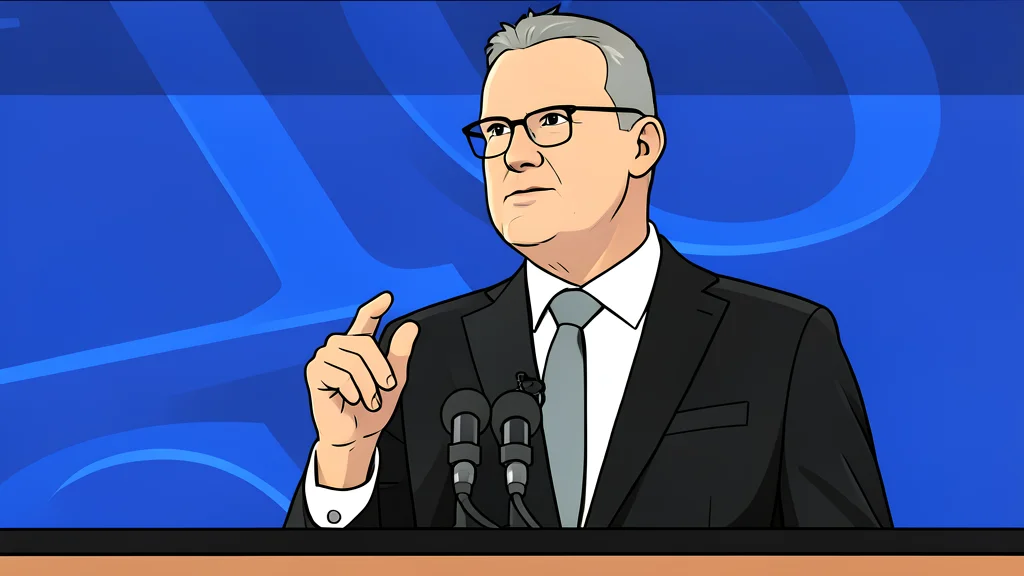
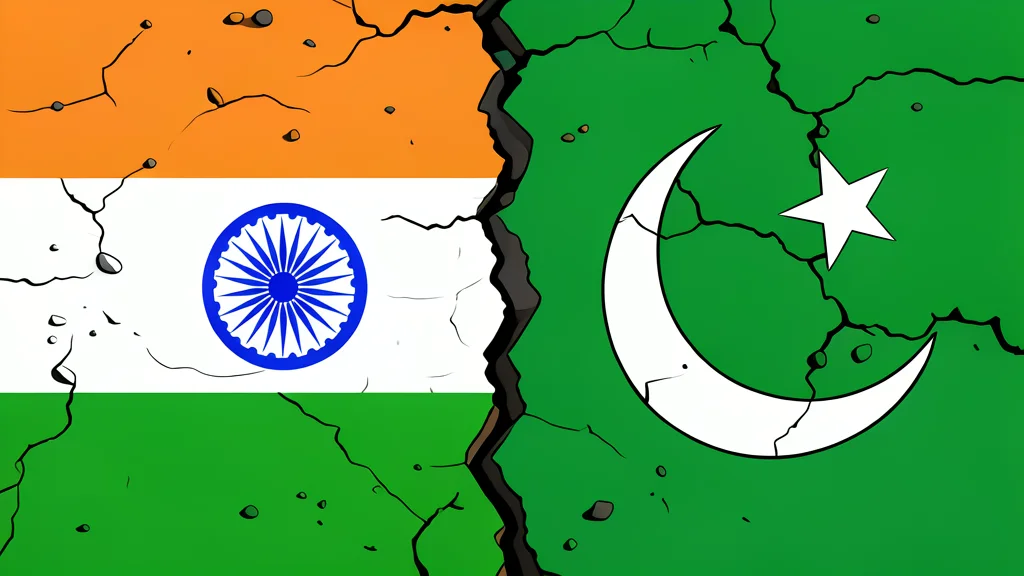
Pakistan has formally notified the United Nations Security Council that it will exercise its right to self-defence against terrorist threats originating from Afghanistan. The statement, delivered by Pakistan’s Permanent Representative Asim Iftikhar Ahmad, marks a significant escalation in diplomatic rhetoric as the international community marks five years since the Taliban’s return to power in Kabul. Ahmad emphasized that Islamabad cannot remain passive in the face of what he described as a sustained onslaught by militant groups operating from Afghan soil, asserting that any response would be conducted in strict accordance with international law.
The intervention came during a high-level meeting on the situation in Afghanistan, where Pakistan accused Kabul of failing to take concrete and verifiable measures against designated terrorist organizations. According to Ahmad, more than 4,700 Pakistanis have lost their lives to cross-border terrorism over the past three years. He specifically named groups including the Tehreek-i-Taliban Pakistan, the Baloch Liberation Army, and the Islamic State-Khorasan Province, arguing that Afghanistan has effectively become a safe haven for these entities. The Pakistani envoy further alleged that external actors are supporting these proxies to target Pakistan and other neighboring countries, thereby exacerbating regional instability.
Context of regional security concerns
Pakistan’s position aligns with broader concerns raised in a recent report by UN Secretary-General Antonio Guterres. The report indicates that terrorist groups remain active within Afghanistan, while the country faces severe internal challenges including restrictions on women and girls, economic pressures, and declining public services. Guterres’s office noted that these factors threaten the nation’s long-term stability and hinder its reintegration into the international system. Additionally, the report highlighted that armed groups opposed to the Taliban continue to conduct attacks, claiming responsibility for 88 incidents across 21 provinces in the first half of the year.
Despite these security concerns, Ahmad stated that Pakistan has continued to support Afghanistan’s stabilization through humanitarian assistance and regional cooperation. He noted that at least 687 humanitarian cargo trucks entered Afghanistan from Pakistan during the reporting period, fulfilling international commitments to allow aid despite reservations about Taliban policies. However, he expressed disappointment that the initial hopes for stability following the 2021 takeover have turned into despair, citing the Taliban’s failure to address the deep nexus between their leadership and terrorist groups as a core issue.
US stance on Taliban governance
The United States adopted a similarly critical tone during the Security Council session, with Ambassador Mike Waltz focusing on the detention of American citizens, terrorism, and gender-based restrictions. Waltz stated that the US will not tolerate the Taliban using American citizens as bargaining chips, describing such actions as a form of hostage-taking. This stance reflects a broader Western frustration with the Taliban’s governance model, which has been characterized by authoritarianism and the institutionalized denial of fundamental rights, particularly for women and girls.
Future diplomatic and security outlook
As the Security Council deliberates on the path forward, the focus remains on whether diplomatic pressure will compel Kabul to take action against militant groups. The forward question involves monitoring whether Pakistan’s threat of self-defence translates into specific military or diplomatic actions, and how the Taliban administration responds to the mounting international criticism. Observers will watch for any changes in cross-border incidents, the status of detained nationals, and the extent of humanitarian access as key indicators of the evolving geopolitical landscape in the region.