Europe Aligns Drone Programs Under NATO Framework
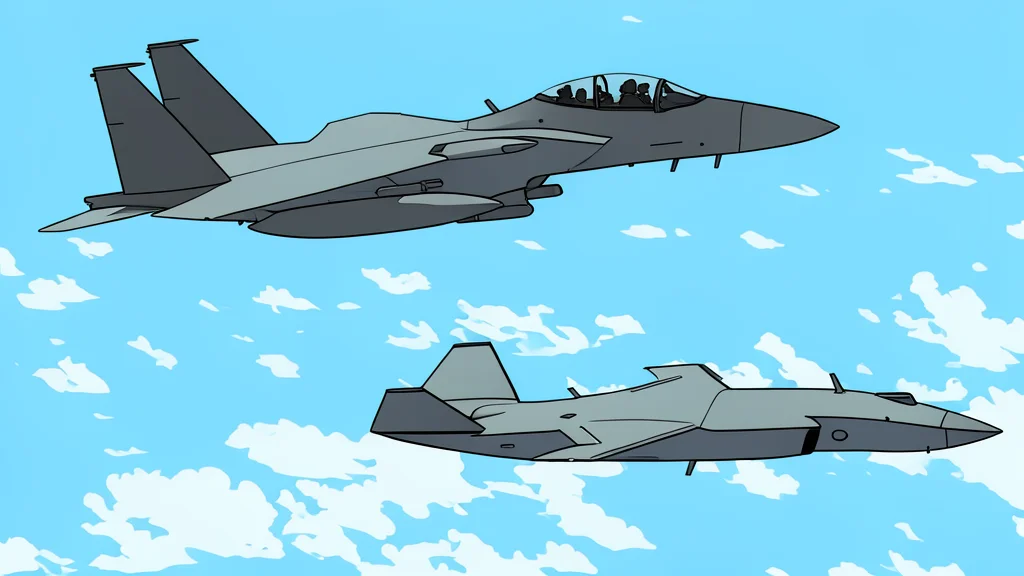
European nations are accelerating the integration of autonomous combat aircraft with US systems to address shrinking air forces and rising threats.
European defense planners are shifting focus from procuring traditional manned fighters to integrating autonomous combat aircraft into existing air defense networks. This strategic pivot aims to restore combat mass in European skies without the significant increase in aircrew and infrastructure that new fighter squadrons would require. The effort centers on ensuring these new systems operate effectively within a cohesive allied command structure.
According to GN geopolitics/nato, senior US Air Forces in Europe officials recently outlined a roadmap for this integration at a major aviation symposium. The discussion highlighted that while several European nations are developing their own drone wingmen, the priority is moving toward standardizing data links and operational protocols before these systems enter service. This approach seeks to avoid the costly retrofitting that has plagued previous equipment acquisitions.
Strategic Shift Toward Autonomous Systems
The rationale behind this shift is driven by the reduction in crewed fighter assets across Europe over the past three decades. Autonomous aircraft offer a way to maintain air superiority and defensive capability without expanding the logistical footprint of national air forces. US officials described two primary operational roles for these drones: intercepting low-cost threats like cruise missiles to preserve expensive manned assets, and suppressing enemy air defenses during offensive operations.
Chief Master Sgt. Joshua J. Wiener, command chief of USAFE-AFAFRICA, noted that interest from Germany, the Netherlands, and Scandinavian countries is substantial. He emphasized that the US target is to have at least 500 collaborative combat aircraft in service by 2032. The convergence of national programs with US standards is seen as essential for creating a unified air power capability across the alliance.
Challenge of Interoperability Standards
A significant obstacle remains the potential fragmentation of European drone fleets. Nations such as the UK, Germany, Sweden, and France are pursuing distinct national programs, including the Storm Fighter, loyal wingman, and Saab A3-001 initiatives. Without coordination, these systems risk becoming incompatible, unable to share data or maintenance resources effectively. Wiener warned that this scenario would undermine the collective defense goals of NATO.
To address this, USAFE is advocating for what is termed interoperability by design. This involves embedding NATO data standards into national systems during the development phase rather than attempting to modify them after procurement. The Joint Air Power Competence Centre in Kalkar, Germany, has been commissioned to study modular employment of these aircraft. This proactive approach aims to ensure that different national drones can function as a single, coherent force.
Future Operational Integration Pathways
The upcoming years will likely focus on technical trials and joint exercises that test the compatibility of emerging drone systems with existing air defense architectures. Analysts watch closely for how national programs adapt to common NATO standards, particularly in data exchange and command control. The success of these efforts will determine whether Europe can field a robust, integrated air power capability in the face of evolving security threats.