Satellite Images Reveal Construction of Chinese Drone Submarine Carrier
Satellite imagery suggests China is constructing a unique vessel designed to transport large autonomous submarines, potentially altering underwater warfare dynamics in the Pacific.
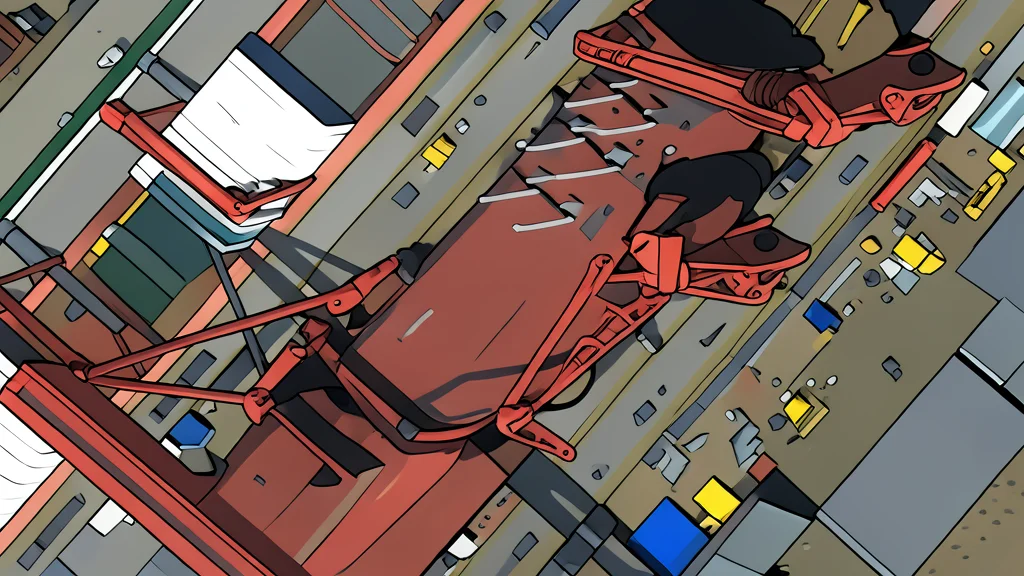
Satellite imagery has revealed the construction of a large vessel in Shanghai that analysts believe is designed to serve as a mothership for autonomous underwater vehicles. The ship, observed at the Hudong-Zhonghua shipyard, features a distinctive configuration that distinguishes it from standard naval platforms. According to reports citing data from Vantor, the red-hulled ship appears to have internal structures specifically tailored for housing and launching large drones.
The identification of this vessel has prompted a closer look at the gap between Chinese and Western capabilities in unmanned maritime operations. While the United States and the United Kingdom have deployed smaller autonomous submarines, China is reportedly developing models that are significantly larger. If current assessments are accurate, this new platform could extend the operational reach of these drones by allowing them to be deployed closer to their intended mission areas.
Distinct Design Features Identified
Analysts examining the satellite data have focused on the ship’s unusual internal layout. H I Sutton, an independent defense specialist, told Naval News that the most plausible interpretation is that the vessel is a special carrier for drone submarines. The design includes a massive internal hangar structure, which experts suggest is necessary to accommodate the large size of Chinese autonomous vehicles. A secondary hangar near the bow is also visible, potentially for helicopter support.
The physical dimensions of the ship stand out when compared to existing naval assets. Sutton assessed that the vessel could carry at least four of China’s largest autonomous submarines. This capacity suggests a role far removed from standard cargo or research missions, pointing instead toward a dedicated military function in underwater warfare. The specific purpose has not been officially confirmed by Chinese authorities.
Scale of Autonomous Submarine Development
China is the only nation known to be developing uncrewed submarines of this magnitude. Two models, measuring approximately 35 and 45 meters, were revealed in early 2025 and have reportedly undergone testing near Hainan. These dimensions place them in a category described as extra-extra-large uncrewed undersea vehicles, or XXLUUVs. This scale is substantially larger than comparable Western systems, such as the U.S. Navy’s Orca, which measures about 16 meters.
The size difference implies potential advantages in payload capacity. While Western drones are designed to carry torpedoes and sensors, the larger Chinese vessels may be capable of transporting heavier weaponry. This shift in scale could alter the strategic balance in underwater operations, providing a new method for extending the range and lethality of autonomous maritime assets. The specific weapons systems intended for these drones remain largely unknown to the public.
Strategic Implications in the Pacific
The development of this capability occurs against a backdrop of rapid naval expansion by Beijing. China’s fleet is estimated to be larger than that of the U.S. Navy, reflecting a strategic focus on maritime security in the western Pacific. The introduction of a mothership for large drones could allow Chinese forces to project power further from their home waters without expending the full range of the autonomous vehicles themselves.
This technological advancement adds a new dimension to tensions in the region, particularly in the South China Sea where territorial disputes persist. The potential for long-range, autonomous underwater operations raises questions about the future of maritime security and the balance of power in the Asia-Pacific. Observers will continue to monitor the shipyard in Shanghai for further signs of completion and potential sea trials.