Trump and Xi to Renew Trade Pact Amid AI Urgency
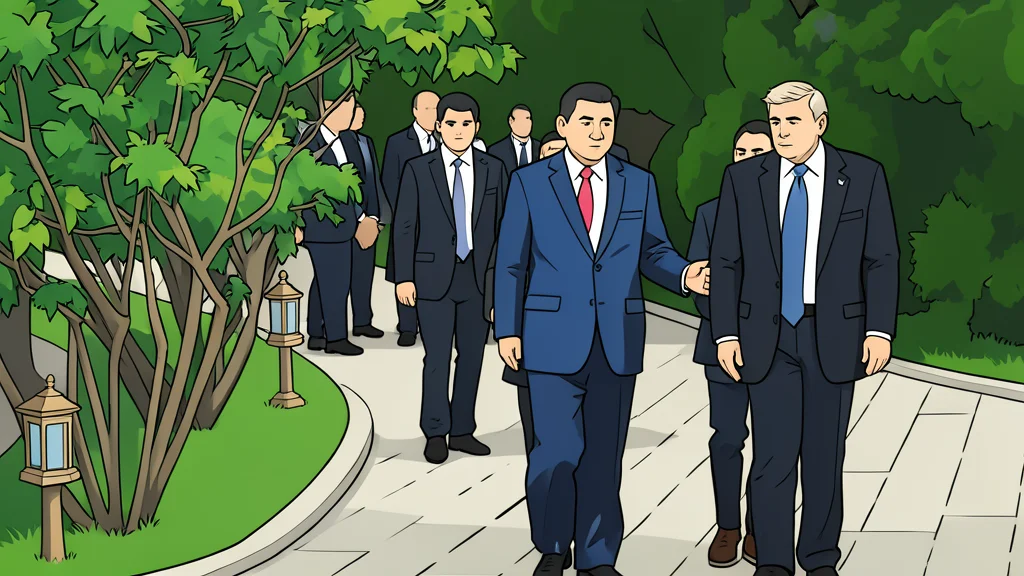
The September summit prioritizes renewing the one-year trade truce, with technology regulation taking precedence over Taiwan discussions.
Key points
- The one-year trade agreement from Busan expires, prompting likely renewal with similar terms on tariffs and critical minerals.
- Artificial intelligence regulation has become the most urgent technological issue, requiring new diplomatic frameworks beyond simple export controls.
- Taiwan discussions are expected to yield little progress, as both sides maintain their existing strategic postures and ambiguity.
Presidents Donald Trump and Xi Jinping are set to meet again in the United States on September 24, with the agenda once again dominated by three core issues: trade, technology, and Taiwan. According to The Diplomat, this upcoming session marks a critical juncture as the one-year trade agreement reached in South Korea nears expiration, forcing both nations to decide whether to extend the current arrangement or negotiate new terms.
While the previous summit in May 2026 focused broadly on these three pillars, the current climate has introduced a new layer of urgency regarding artificial intelligence. Diplomatic observers note that the rapid evolution of AI capabilities has shifted the technological discussion from general export controls to specific regulatory frameworks, making it the most complex and potentially transformative area of negotiation.
Renewing the Commercial Truce
The most immediate task for both delegations is the renewal of the trade pact established at Busan, where the U.S. agreed to reduce tariffs and lift certain high-end export controls in exchange for China’s commitment to maintain the flow of critical minerals and rare earths. Both sides are reportedly inclined to continue the current arrangement, suggesting that the new deal will largely mirror the old one with only minor adjustments to specific product categories.
Beyond the tariff structure, both governments have proposed the creation of a Board of Trade to oversee non-sensitive business interests, though details remain vague. There is also discussion of a Board of Investment, which could see major Chinese executives joining U.S. tech leaders like Jensen Huang and Elon Musk at the summit. Business stakeholders are watching closely to see how comprehensive and durable these new institutional mechanisms will be.
Technology Regulation Challenges
In the technology sector, the focus has shifted toward establishing mutual agreements on AI regulation, a topic that surprised many observers during the May meeting. Unlike trade, where the framework is already established, the tech negotiation requires diplomacy to catch up with the rapid pace of innovation. The goal is to create a stable environment for cooperation without compromising national security, a balance that remains difficult to strike.
Geopolitical Dynamics on Taiwan
Taiwan remains a sensitive but less actionable topic for the summit, with expectations of little concrete movement. The U.S. has maintained a position of strategic ambiguity, while China continues to prefer methods short of war to assert control. Analysts suggest that the outcome for the island is more likely to be determined by internal political shifts, particularly the January 2028 presidential election in Taiwan and potential changes in U.S. foreign policy priorities.