Iran Demands Probe into US-Israeli Strikes at UN Body

Iranian officials accuse Washington and Jerusalem of targeting civilian infrastructure, calling for international accountability.
Key points
- Iran’s UN representative accused the US and Israel of targeting civilian infrastructure such as schools and power plants.
- Tehran linked the military strikes to US economic sanctions and alleged foreign interference in domestic protests.
- The Iranian diplomat urged the UN Human Rights Council to pursue international accountability for alleged war crimes.
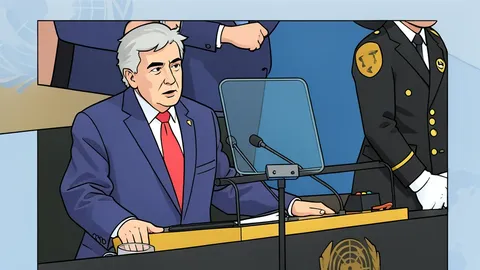
Iran’s permanent representative to the United Nations has formally requested an investigation into recent military operations conducted by the United States and Israel. The diplomat presented these allegations during the 63rd session of the UN Human Rights Council in Geneva, arguing that the actions constitute violations of international humanitarian law.
According to Tehran Times, Ali Bahreini characterized the events of late February 2026 as a turning point for the region. He asserted that the military campaign extended beyond traditional combat zones, impacting critical civilian infrastructure and social stability, and urged the international community to pursue accountability for what he described as war crimes.
Accusations of Civilian Infrastructure Targeting
The Iranian envoy stated that the strikes affected schools, power plants, and other essential services, rather than being limited to military assets. Bahreini described the conflict as asymmetric, noting that Iran’s population faced sophisticated military threats while maintaining social cohesion. He emphasized that these actions required a robust international response to establish legal responsibility for those involved.
The representative further linked the military aggression to broader economic coercion, specifically citing US sanctions. He described these measures as systematic tools of pressure imposed on the entire nation, arguing that the combination of financial restrictions and military force created a dual threat to the country’s stability and its people’s human rights.
Linking Military Action to Domestic Unrest
Bahreini also addressed the political climate within Iran, referencing protests that emerged in January. He maintained that while these demonstrations began as peaceful expressions, they were later influenced by external interference and the alleged transfer of weapons. The diplomat argued that this external involvement exacerbated internal tensions and contributed to a volatile security environment.
The Iranian position suggests that the military, economic, and political pressures are interconnected elements of a broader strategy. By framing these issues through the lens of international human rights law, Tehran aims to shift the narrative from national security concerns to global legal obligations, seeking to isolate the accused parties on the international stage.
Diplomatic Context at Geneva Session
These remarks were delivered during a session that runs through early October, a period when the council typically reviews a wide array of global rights issues. The timing of the address highlights Iran’s effort to place these specific allegations within a broader framework of international legal scrutiny. Observers will likely watch for how other member states respond to these claims and whether the council initiates any formal investigative mechanisms.