Vietnam's UN Trip Signals Shift to Active Global Contributor
Vietnam's leadership attends the UN General Assembly to reinforce multilateralism and deepen ties with the US and Canada.
Key points
- General Secretary To Lam leads a delegation to the UN General Assembly, US, and Canada in September.
- US-Vietnam trade reached $118 billion in early 2026, with exports up 23 percent year-on-year.
- The US is the 11th largest investor in Vietnam, with over $11.9 billion in active projects.
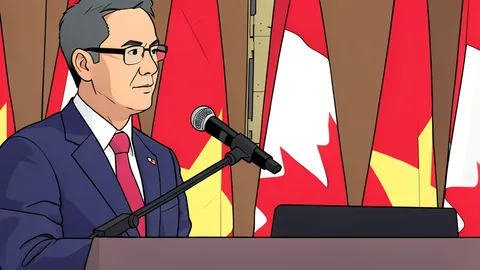
Vietnam’s top leadership is preparing for a high-profile diplomatic itinerary that underscores the nation’s evolving role in global affairs. From September 20 to 25, General Secretary and President To Lam, accompanied by a senior delegation, will participate in the High-Level Debate of the 81st Session of the United Nations General Assembly. The schedule includes bilateral engagements in the United States and a State visit to Canada, marking a coordinated effort to engage with key international partners simultaneously.
According to Pauline Tamesis, the UN Resident Coordinator in Vietnam, this personal involvement by the head of state sends a clear signal about Hanoi’s commitment to multilateralism during a period when international cooperation is increasingly critical. Tamesis noted that Vietnam is transitioning from a primary recipient of international assistance to an active contributor of solutions for global challenges, a shift reflected in its participation in peacekeeping operations and its stance on issues ranging from climate action to artificial intelligence governance.
Redefining Vietnam’s Global Partnership
The United Nations views this visit as a pivotal moment for strengthening its partnership with Hanoi. As Vietnam enters a new phase of development, the organization anticipates a collaborative relationship that supports the country’s goal of becoming a high-income, developed nation by 2045. In exchange, the UN expects Vietnam to play a more prominent role in promoting peace, sustainable development, and international consensus-building, thereby contributing its unique perspective to global dialogue at a strategic juncture.
Deepening Economic Ties with Washington
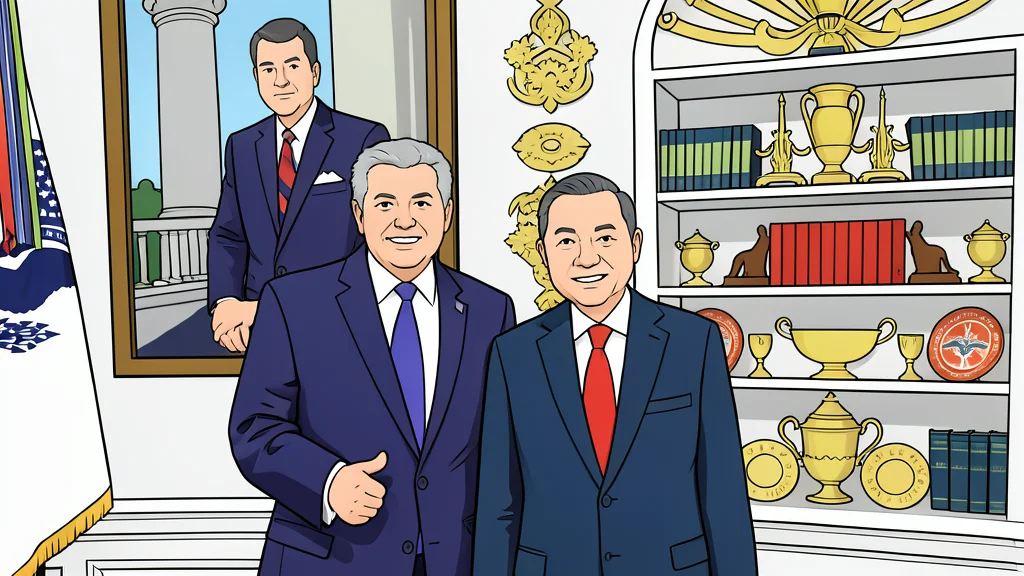
Professor Nguyen Thi Lien Hang of Columbia University assesses that the trip carries dual strategic significance, aiming to deepen the comprehensive strategic partnership with the United States while affirming Vietnam’s growing influence in multilateral forums. She identifies energy, technology, aviation, and finance as the primary sectors likely to see concrete progress, noting that these areas align directly with Vietnam’s development goals and US economic interests in the Asia-Pacific region.
Recent trade data reported by vietnam.vn highlights the robust nature of this bilateral relationship. In the first seven months of 2026, bilateral trade reached $118 billion, with exports to the US surging 23 percent to $104.7 billion. The United States remains Vietnam’s largest export market, while Vietnam stands as the US’s largest trading partner within the ASEAN bloc, underscoring the substantial economic foundation upon which these diplomatic efforts are built.
Sustained Investment in Key Sectors
Beyond trade volumes, the investment landscape reflects deepening integration between the two economies. The United States is currently the 11th largest foreign investor in Vietnam, with approximately 1,409 projects totaling over $11.9 billion. Major American corporations in technology, including HP and NVIDIA, along with firms in the energy sector, have expressed continued interest in expanding their operations, suggesting that political engagement is being matched by significant private sector commitment.
As the delegation concludes its engagements in New York, Washington, and Ottawa, observers will watch for specific announcements regarding regulatory frameworks in technology and energy. The extent to which these diplomatic moves translate into new agreements or institutional changes will likely define the next phase of Vietnam’s strategic autonomy and its integration into global economic networks.