US-China Trade Truce Faces Renewal Test at White House Summit

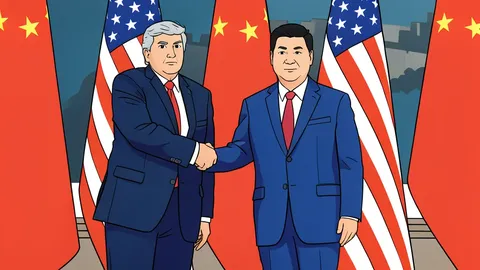
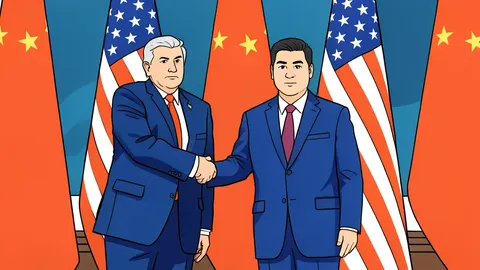
Presidents Trump and Xi meet Thursday to negotiate the extension of a fragile trade pause expiring in November.
Key points
- Xi Jinping and Donald Trump meet at the White House to negotiate the extension of a trade truce expiring in November.
- US-China tariffs previously escalated to 125% before being reduced following diplomatic talks in Geneva and South Korea.
- The US Supreme Court recently ruled against emergency tariff powers, leading to a temporary global duty under different statutes.
Chinese leader Xi Jinping is scheduled to meet US President Donald Trump at the White House on Thursday. The primary objective of the summit is to secure an extension of the current trade truce, which is set to expire in November. According to Devdiscourse, the meeting comes after a period of intense volatility in bilateral economic relations.
The diplomatic effort aims to stabilize a framework that has survived multiple escalations and legal challenges. While both sides have tempered expectations for a comprehensive breakthrough, market participants are closely monitoring the discussions for signals regarding the future of tariff rates and export controls.
Escalation from Fentanyl Disputes to Peak Tariffs
The recent conflict began in early 2025 when Washington imposed initial duties on Chinese goods, citing fentanyl and immigration concerns. Beijing retaliated with levies on US energy and agricultural products. By April, the dispute had intensified significantly following the introduction of sweeping tariffs that eventually reached 125% on both sides.
During this peak period of tension, China also restricted the export of rare earth metals and issued travel advisories for US citizens. The rapid escalation prompted urgent diplomatic interventions, leading to a temporary de-escalation and the establishment of the current pause in hostilities.
Legal Challenges and Strategic Concessions
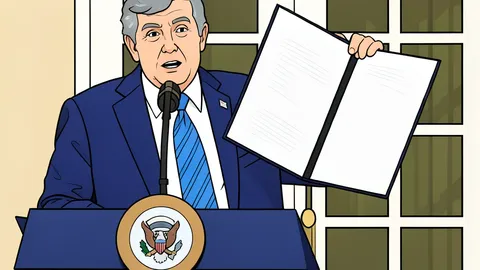
In February 2026, the US Supreme Court ruled against the administration’s use of emergency powers for these tariffs. The court struck down the fentanyl-related duties and the reciprocal tariff regime, prompting the White House to implement a temporary global duty under a different legal statute.
Despite the legal setbacks, economic cooperation has seen some progress. In May 2026, a summit in Beijing resulted in agreements for China to purchase Boeing aircraft and US farm products. The two nations also announced plans to establish new Boards of Trade and Investment to facilitate ongoing dialogue.
Current Stakes for Global Markets
Recent developments include new US tariffs on goods from sixty trading partners, including China, over forced labor allegations. This move highlights the continued complexity of the bilateral relationship and the broader impact of US trade policy on global supply chains.
As the November deadline approaches, the focus shifts to whether the current truce can be formally extended. Analysts suggest that while major structural changes are unlikely in the immediate term, the stability of the pause remains critical for investor confidence and global economic planning.