Canada Seeks EU Associate Status as Ties Deepen
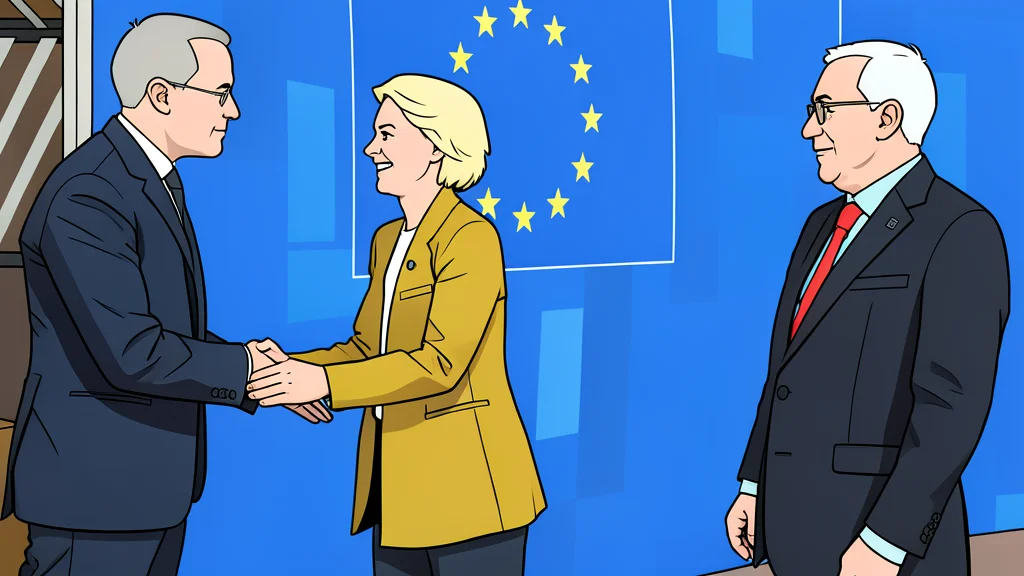
Brussels confirms interest in associate membership for Ottawa, signaling a strategic shift in transatlantic relations.
Key points
- Brussels confirms desire to explore associate membership status for Canada.
- Mark Carney becomes first foreign head of government at EU State of the Union.
- The alliance aims to provide stability amid volatile transatlantic relations.
Relations between Canada and the European Union have entered a new phase of formal engagement, with Brussels confirming its intent to explore an "associate membership" status for Ottawa. This diplomatic development follows Prime Minister Mark Carney’s attendance at the State of the Union address in Strasbourg, marking the first time a foreign head of government has participated in the event. According to European officials, the move reflects a mutual desire to institutionalize cooperation amid shifting global dynamics.
The rapprochement is driven by a combination of geopolitical necessity and shared economic interests. With trade and security relations with the United States becoming increasingly volatile, Canada is actively seeking stability through diversified partnerships. European leaders, in turn, view a closer alliance with North America as a way to reinforce their strategic autonomy. The proposed status would go beyond traditional trade agreements, potentially involving deeper coordination on regulatory standards and security matters.
Strategic Shift in Transatlantic Dynamics
Analysts note that this shift is not merely symbolic but represents a structural change in how transatlantic partners interact. The concept of associate membership suggests a level of integration previously reserved for candidate countries or close partners within specific frameworks. By opening this dialogue, the EU is signaling a willingness to engage Canada on terms that may challenge existing bilateral norms. This could have ripple effects across the Atlantic, potentially prompting other nations to seek similar arrangements to hedge against geopolitical uncertainty.
However, the path toward formalized ties is not without obstacles. Differences in regulatory approaches, particularly regarding digital markets and environmental standards, remain significant hurdles. Furthermore, the political landscape in both regions is fluid, and domestic pressures may influence the pace of negotiations. According to reports from Balkan Insight, the European media landscape is closely monitoring these developments, recognizing that a stronger Canada-EU axis could reshape global trade and security policies in the coming years.
Challenges to Lasting Alliance
While the current momentum is strong, questions remain about the durability of this alliance. Political cycles in both Canada and Europe could alter priorities, especially if economic conditions change or if relations with other major powers improve. The term "associate membership" itself is still under definition, leaving room for interpretation and potential disagreement over scope. Critics argue that without clear, binding commitments, the arrangement may remain more aspirational than operational. The success of this initiative will depend on sustained political will and the ability to navigate complex institutional hurdles.
Looking ahead, the next few months will be critical for determining the scope and speed of these negotiations. Key indicators to watch include official statements from both capitals regarding the specific rights and obligations associated with the new status. Additionally, reactions from the United States will be closely scrutinized, as a deeper Canada-EU tie could be perceived as a strategic realignment. The outcome of these discussions will not only define the future of Canada-Europe relations but also send a strong signal about the evolving nature of global partnerships in an era of heightened geopolitical competition.