China Backs Pakistan-Led Iran-US Mediation with Strategic Weight
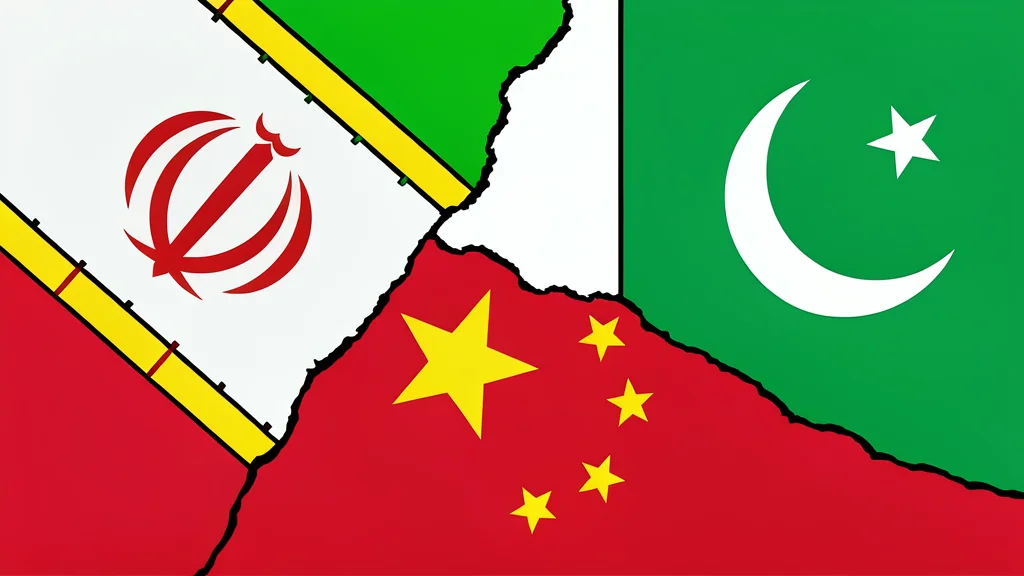
Beijing is deepening its diplomatic support for Islamabad's role in easing tensions between Tehran and Washington, driven by energy security concerns.
Key points
- China has expanded its behind-the-scenes support for Pakistan's mediation between Iran and the US, according to The Daily CPEC.
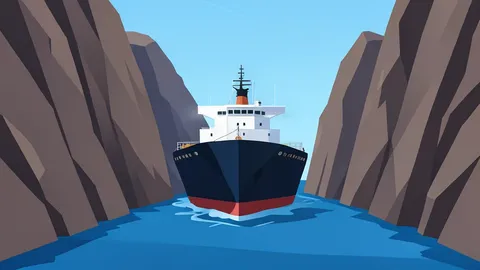
- Beijing's involvement is driven by its status as Iran's largest oil buyer and the need to secure the Strait of Hormuz for energy trade.
- Chinese Foreign Minister Wang Yi has repeatedly coordinated with Pakistani officials to promote de-escalation and the resumption of US-Iran negotiations.
China has increasingly become a pivotal actor in the diplomatic efforts to de-escalate tensions between Iran and the United States, operating closely behind Pakistan’s public mediation. According to The Daily CPEC, this coordination has intensified over recent months, with Beijing aligning its positions with Islamabad to promote a return to negotiations.
While Pakistan remains the visible face of these diplomatic initiatives, Chinese officials have provided consistent high-level backing. This partnership reflects a broader strategic alignment where both nations seek to stabilize the region, particularly concerning critical maritime routes and energy flows.
Economic stakes drive Beijing's engagement
China’s involvement is deeply rooted in its economic dependencies on Middle Eastern energy supplies. As Iran’s largest oil buyer, accounting for a significant majority of Tehran’s exports, Beijing faces direct consequences from any disruption in the Strait of Hormuz. The stability of this waterway is critical for maintaining global energy transport and supply chains.
Reports indicate that Chinese buyers, including independent refineries, have maintained substantial trade volumes with Iran despite sanctions pressures. This economic entanglement gives China a practical incentive to prevent further escalation, as prolonged instability would threaten its access to essential hydrocarbons and broader commercial interests in the region.
Sustained diplomatic coordination between capitals
High-level engagements between Chinese and Pakistani officials have marked this period of diplomatic activity. Chinese Foreign Minister Wang Yi has met repeatedly with his Pakistani counterpart, Ishaq Dar, to discuss strategies for restoring peace. These meetings have focused on encouraging restraint from both Tehran and Washington and facilitating the resumption of substantive consultations.
In recent months, Wang Yi publicly commended Pakistan for its role in extending ceasefires and facilitating memoranda of understanding between the US and Iran. Beijing has described Pakistan’s contribution as indispensable, pledging to continue supporting Islamabad’s mediation efforts while contributing to de-escalation through its own diplomatic channels.
Focus on regional maritime stability
A central theme of these diplomatic exchanges has been the necessity of reopening the Strait of Hormuz to safe navigation. Both China and Pakistan have jointly called for a halt to hostilities, emphasizing that the security of global energy corridors is a shared priority. This focus underscores the broader geopolitical implications of the conflict for international trade.
As the diplomatic process continues, observers will watch how effectively this Sino-Pakistani coordination can translate into tangible progress in US-Iran talks. The next steps will likely depend on whether both major powers can maintain a unified stance on de-escalation and whether this alignment withstands the pressures of ongoing geopolitical tensions.