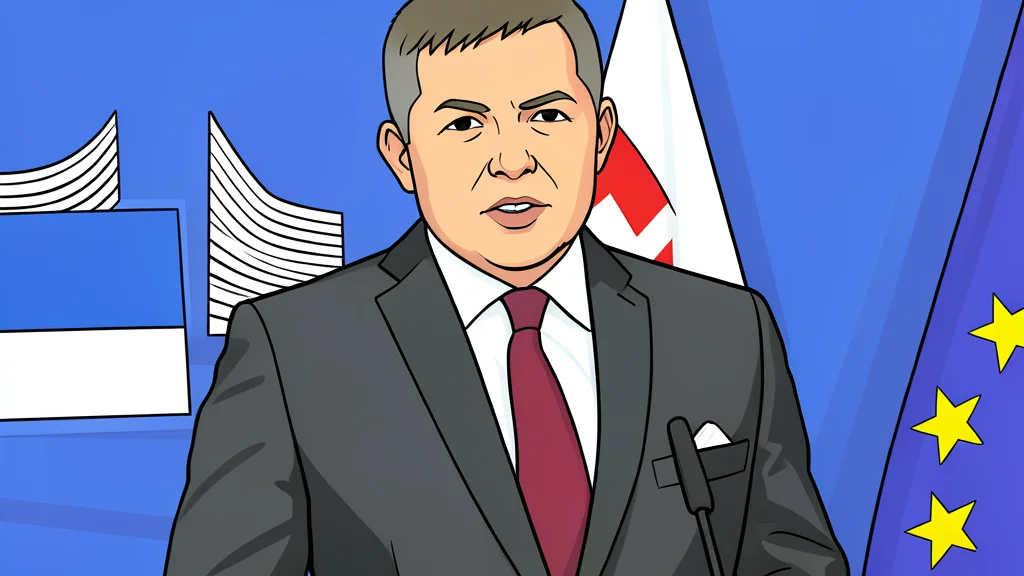
Carney's EU Address Signals Deeper Transatlantic Ties Amid Trade Tensions

Prime Minister Mark Carney's speech in Strasbourg highlighted a strategic pivot toward European integration, framed by public displays of solidarity and subtle political friction.
Mark Carney’s address to the European Parliament in Strasbourg marked a significant moment in transatlantic relations, characterized by widespread acclaim from lawmakers and a clear signal of intent to deepen Canadian-EU cooperation. According to reports from GN auto geopolitics/europe: European politics, the Prime Minister welcomed the EU’s invitation for Canada to become its first associate member, positioning the country as a stabilizing partner in an era of increased trade volatility driven by U.S. policy shifts.
The atmosphere in the hemicycle was notably warm, with the speech frequently interrupted by applause and concluding with a standing ovation that lasted over a minute. This reception underscored a broad consensus among many European politicians that strengthening ties with Canada serves as a strategic hedge against external uncertainties, while also reflecting a broader geopolitical realignment in the region.
Political Solidarity and Visual Symbols
Support for Carney’s initiative was visible in both formal and informal gestures. Terry Reintke, a German member of the Greens–European Free Alliance Group, wore a Sidney Crosby jersey during the event, a symbolic nod to Canadian culture that resonated with peers. Following the session, several leaders, including Spanish Prime Minister Pedro Sánchez and Polish MEP Robert Biedroń, shared imagery on social media platforms that incorporated the maple leaf alongside the EU flag, signaling a collective welcome for Canada’s new status.
These visual cues were accompanied by verbal endorsements that framed Canada not merely as a trading partner, but as a strategic ally. The emphasis on shared democratic values and mutual economic resilience suggests a deliberate effort to consolidate a unified front among Western democracies, particularly as traditional transatlantic dynamics shift.
Dissent Within the Chamber
Despite the largely positive reception, the event was not devoid of friction. Siegbert Droese, an MEP from the Europe of Sovereign Nations Group, chanted “USA! USA!” as Carney took the podium, drawing groans from other lawmakers. This moment highlighted the internal divisions within the European political landscape, where some factions maintain a strong allegiance to traditional transatlantic bonds with Washington, viewing a closer EU-Canada relationship with skepticism or as a distraction from existing alliances.
Carney addressed this tension directly during a subsequent press conference, arguing that a stronger Europe ultimately benefits the United States by creating a more stable and cooperative international environment. He suggested that by solidifying ties with Europe, Canada would become a more effective and reliable partner for the U.S., thereby reframing the narrative from competition to complementary strength.
Strategic Implications for Trade Policy
The push for associate membership is rooted in practical economic concerns. Carney emphasized the need to mitigate the risks associated with unpredictable U.S. trade policies, advocating for a diversified network of partnerships. By aligning closely with the EU, Canada seeks to secure more favorable terms and greater predictability in cross-border commerce, reducing its vulnerability to unilateral policy changes from Washington.
As the European Parliament moves forward with the process of defining this new relationship, the focus will likely shift to the specific regulatory and institutional mechanisms that will govern the association. Observers will be watching closely to see how this arrangement balances the EU’s internal cohesion with the external benefits of a larger, integrated economic bloc, setting the stage for a new chapter in North American-European diplomacy.