Tusk Warns of Staged Drone Incidents to Test NATO Resolve

Poland’s prime minister has raised alarms about potential hybrid warfare tactics designed to probe the limits of collective defense commitments.
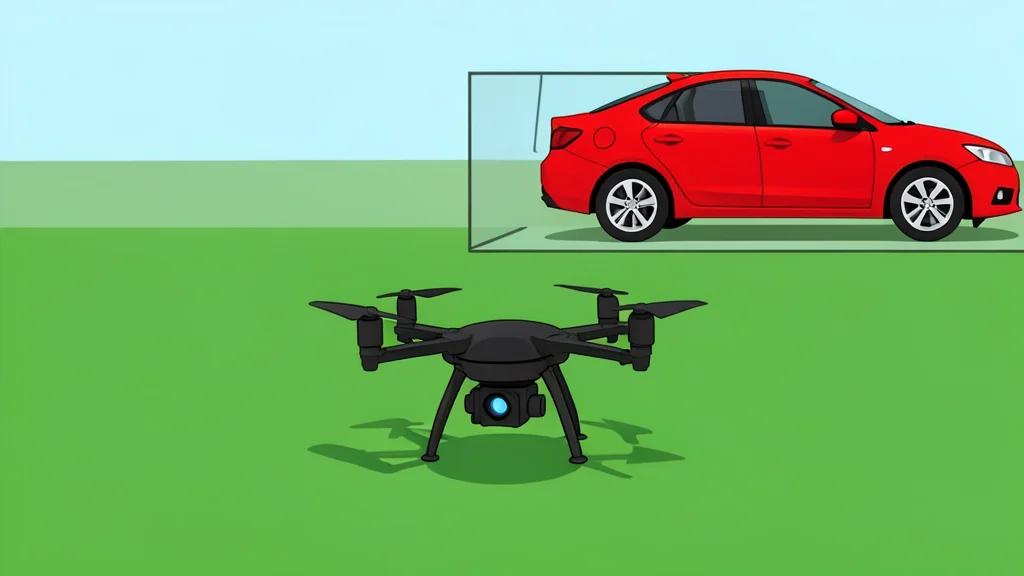
Polish Prime Minister Donald Tusk has cautioned that Russia may deploy disguised drone or rocket strikes on European territories to test the cohesion of the North Atlantic Alliance. Speaking in the Sejm, the head of government described a scenario where such incidents are presented as accidental, thereby creating a diplomatic dilemma for member states regarding the threshold for invoking collective defense.
The warning comes amid heightened tensions along the eastern flank, where Tusk stated that Moscow is increasingly targeting logistics routes and border crossings vital for Ukrainian supply lines. According to the Polish leader, these actions are intended to disrupt Ukraine’s economic lifelines while simultaneously hardening Poland’s argument for a more robust deterrence posture within the alliance framework.
Strategic risks on the eastern flank
Tusk emphasized that the use of jet-powered drones represents a significant escalation, as these aircraft fly faster and at higher altitudes, making them more difficult for existing air defense systems to detect. He noted that while there has been a general increase in incidents, the specific threat of projectiles entering the territory of NATO countries has become a concrete concern rather than a hypothetical one.
The Polish government has reportedly received intelligence from NATO, Ukrainian, and United States agencies, including the CIA, which has sharpened the specificity of these warnings. Tusk indicated that his concerns have evolved over several months, moving from broad strategic assessments to specific operational threats regarding the timing and nature of potential hybrid attacks.
Diplomatic implications for alliance cohesion
The core of the concern lies in the diplomatic paralysis such an incident could cause. By framing a hostile act as an accident, an adversary could effectively paralyze the motivation of NATO nations to respond, according to Tusk’s analysis. This tactic would exploit the ambiguity in the rules of engagement, potentially allowing an aggressor to undermine the alliance’s willingness to defend a member state under attack.
This situation complicates the broader diplomatic landscape, particularly as Europe seeks to manage its relationship with Moscow while supporting Kyiv. The Polish prime minister argued that Russia is not currently prepared for peace negotiations that do not involve the total capitulation of Ukraine, suggesting that military and hybrid pressure will remain the primary tools of engagement for the foreseeable future.
Upcoming moves in security policy
In response to these threats, Tusk announced plans to travel to Kyiv to discuss defense strategies against new drone technologies with President Volodymyr Zelenskyy. The visit also includes consultations with regional partners, such as Slovakia, regarding further sanctions measures against Russia, signaling a coordinated approach to maintaining pressure on Moscow despite the risks of escalation.
Simultaneously, Washington has signaled a deepening of its commitment to European security. According to recent statements by US President Donald Trump, significant progress is being made toward establishing a permanent US Army base in Poland. This development, which Tusk has long advocated, is viewed as a historic step in strengthening the US-Polish alliance and providing a tangible security guarantee against perceived Russian aggression.