Ceuta Authorities Relocate Migrants to Port Facility

Spanish police have initiated a large-scale operation to transfer thousands of migrants from Ceuta's beaches to a new tented camp, marking a significant shift in the management of the ongoing enclave crisis.
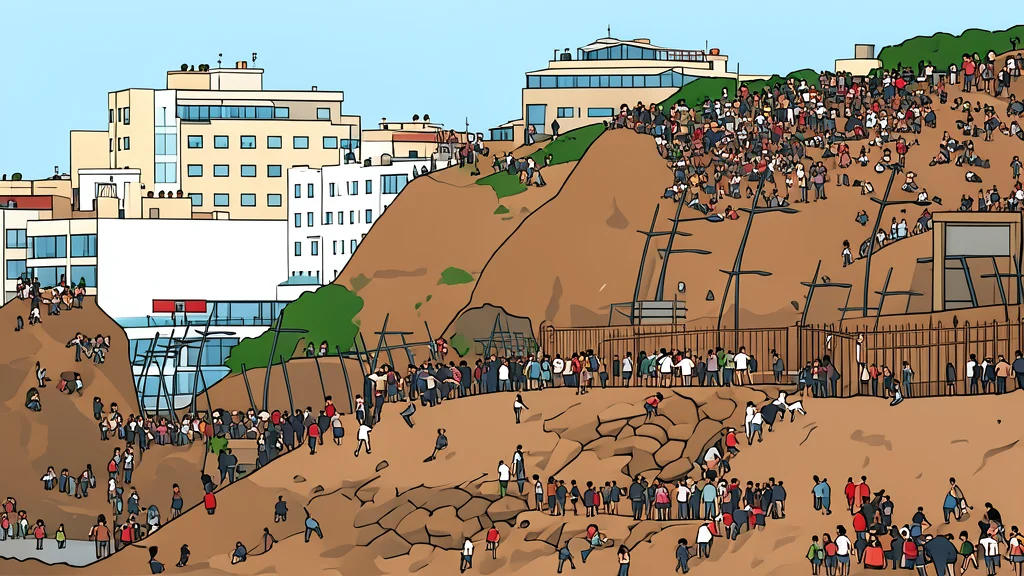
Police forces in Ceuta have begun moving hundreds of migrants from the beaches where they have lived for weeks to a new tented site in the port area. The operation, which commenced early Friday morning, involves the transfer of more than 3,000 individuals to a facility with a capacity of 1,700 people. According to reports from the Spanish government-owned news agency Efe, officers faced significant challenges in maintaining order as crowds jostled for positions during the relocation process.
The move is part of a broader government strategy to concentrate migrants in designated facilities where their administrative status can be individually determined. While most of the approximately 72,000 people who crossed the border from Morocco in July have since returned, it is believed that more than 13,000 remain in the Spanish enclave. The authorities aim to establish a more controlled environment for identification and care, moving away from the informal settlements on the coastline.
Chaos during initial transfer phases
The relocation process was marked by moments of tension and disorder. According to witnesses and video footage, some migrants broke through the security cordon along the designated two-kilometer route to the port. Reports indicate that shots were fired into the air by police units attempting to maintain control of the crowd. More than 170 officers, including drone technicians, were deployed to manage the situation. Efe reported that the disorder was quickly contained, allowing the operation to proceed despite the initial resistance.
Political pressure on Spanish leadership
The chaotic scenes have intensified political criticism against Prime Minister Pedro Sánchez. Opposition figures, including Ester Muñoz of the People's Party, have accused the government of direct responsibility for the crisis and the deaths that occurred during the initial crossing. Muñoz claimed that the government was aware of the impending influx, citing intelligence warnings about social media calls for a mass border crossing. Sánchez has maintained that the event was unpredictable, despite evidence suggesting that intelligence services had flagged potential risks prior to the incident.
Local authorities also express deep concern. Ceuta’s Mayor, Juan Jesus Vivas, described the territory as a pressure cooker, noting that the city’s lifestyle and safety have been significantly disrupted since the influx. Residents have voiced safety concerns, with some taking actions such as blocking aid supplies. The situation has further complicated Spain's diplomatic relations, particularly with Italy, where temporary border controls have been extended, and with Morocco, a relationship the Spanish government is striving to maintain.
Context of the border breach
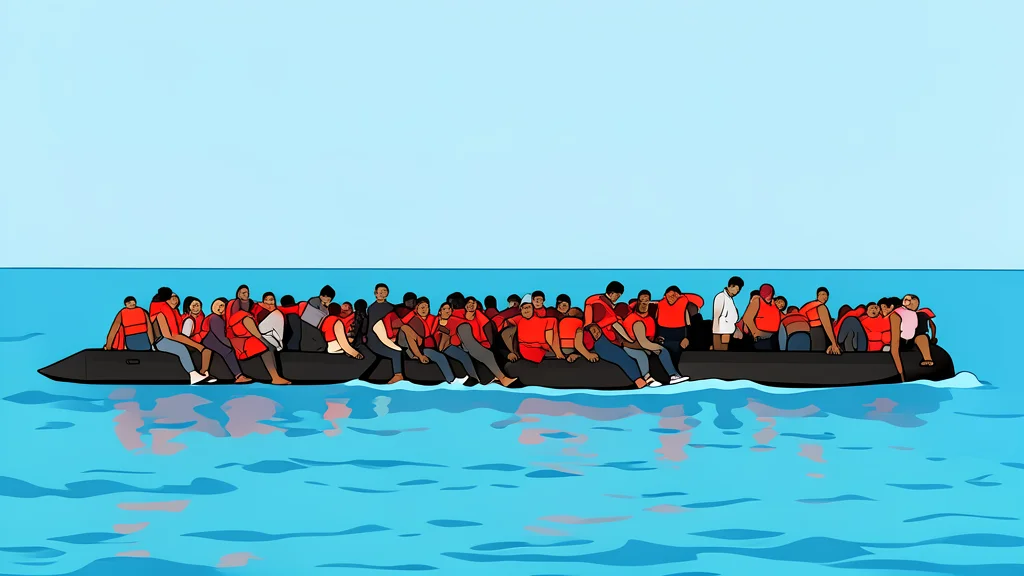
The current crisis stems from a late July event where thousands of migrants breached the border fence and swam around ocean barriers to reach Ceuta. This surge followed a ruling by Spain's Supreme Court stating that migrants stopped at sea cannot be summarily returned to Morocco. According to local authorities, at least 100 people died during the crossing. The incident has raised broader questions about migration policy in Europe and the responsibilities of coastal states. As the new camp becomes operational, the focus shifts to how long-term administrative processes will handle the remaining population in the enclave.