EU Balkans Policy Faces Pressure from Geopolitical Shifts
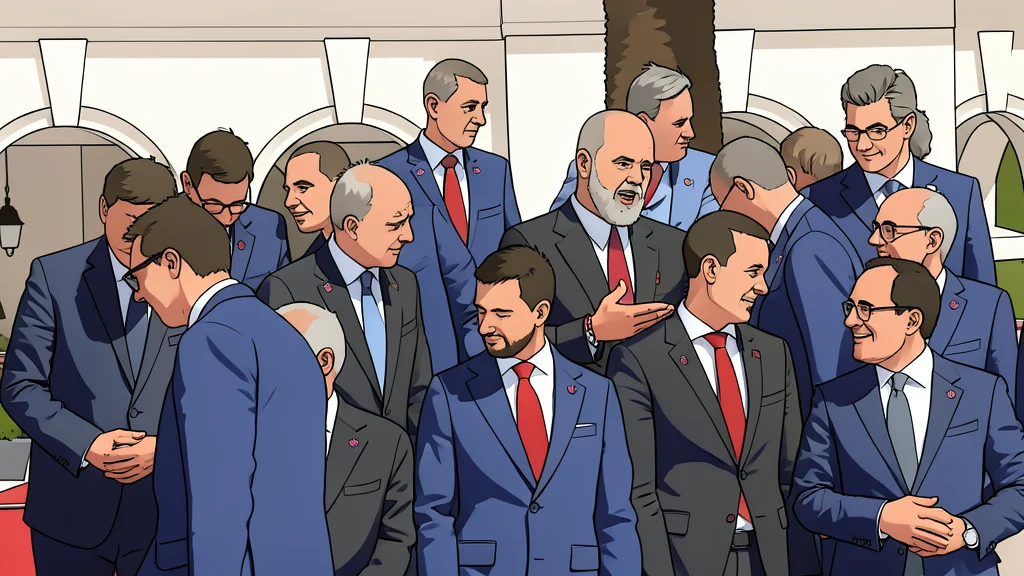
Amidst rising multipolarity and US transactionalism, the EU must rethink its accession strategy for Western Balkan states.
Key points
- Western Balkan states are adopting transactional foreign policies to navigate a fragmented global order.
- The EU must adapt its enlargement strategy to address increased geopolitical volatility and competition.
- Rising middle powers and peer competitors are creating a more complex diplomatic environment for small actors.
The geopolitical landscape surrounding the Western Balkans is undergoing a fundamental shift as global power dynamics become increasingly fragmented. According to analysis published by Balkan Insight, the region’s small states are navigating a complex environment defined by the diffusion of power among middle nations and the assertiveness of peer competitors. This volatility forces local actors to pursue ad hoc alliances and engage in parallel transactional diplomacy with multiple major powers simultaneously.
The European Union’s traditional approach to enlargement is now tested by these new realities. As Russia continues to exploit regional divisions and the United States pivots toward economic transactionalism rather than liberal transformation, Brussels faces the challenge of developing a targeted and realistic accession framework. The current policy must adapt to a world where security architecture is under strain and the contours of the international order are marked by heightened uncertainty and competition.
Shifting Alliances in a Multipolar World
Small states in the region are no longer bound by singular blocs but are instead engaging in a more fluid form of diplomacy. This shift reflects a broader trend where nations seek to maximize their leverage by balancing relationships with various global actors. The result is a diplomatic landscape characterized by pragmatism over ideological alignment, as countries navigate between competing interests without committing exclusively to one power center.
EU Strategy Meets Regional Volatility
The Union’s role as a stabilizing force is being scrutinized against the backdrop of external interference and internal fragmentation. Analysts suggest that a one-size-fits-all approach to membership criteria may no longer be sufficient for maintaining regional cohesion. Instead, a more nuanced strategy that accounts for local political realities and external pressures is required to keep the integration process on track amidst growing geopolitical friction.
Future Challenges for Regional Stability
Looking ahead, the ability of Western Balkan nations to maintain sovereign integrity while managing their relationships with major powers will be a key indicator of regional stability. The EU’s capacity to offer a credible and attractive alternative to transactional arrangements will determine whether the region moves toward deeper integration or further fragmentation. Observers will closely monitor how Brussels responds to these evolving dynamics in the coming months.