Europe Braces for Hybrid Threats from Russia
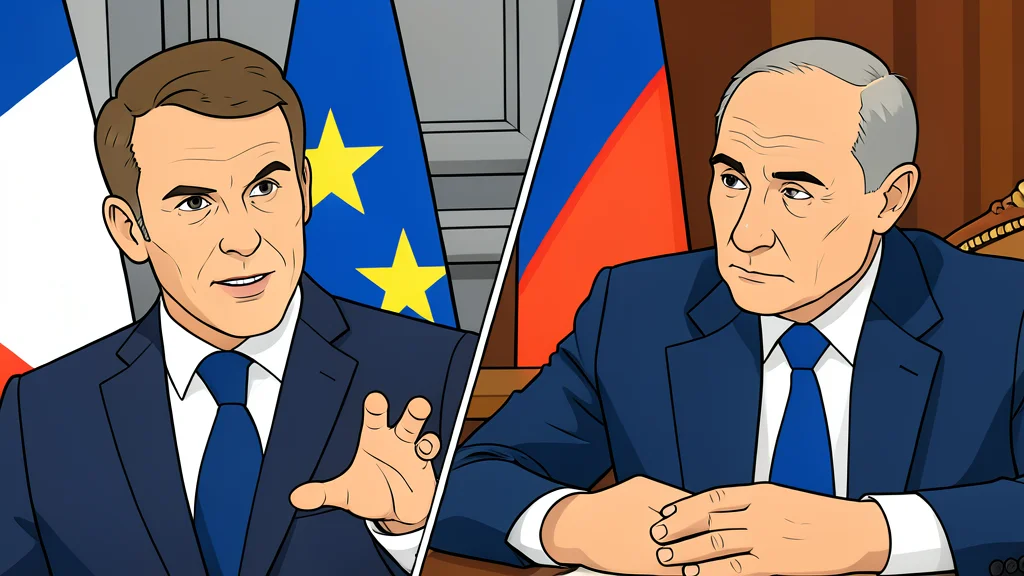
European leaders are intensifying preparations for potential Russian hybrid attacks, shifting focus from conventional invasion to drone strikes and infrastructure sabotage.
European governments are moving to harden their defenses against what officials describe as an escalating hybrid threat from Moscow. According to reports cited by GN geopolitics/nato, the focus has shifted from fears of a traditional invasion to the prospect of limited strikes, cyber operations, and sabotage designed to test the resolve of the North Atlantic Treaty Organization. This strategic recalibration reflects a growing consensus that Russia may seek to destabilize the alliance without triggering a full-scale war.
The urgency of this shift was underscored by recent statements from French President Emmanuel Macron and Polish Prime Minister Donald Tusk. Macron indicated that the hybrid threat facing France has intensified, leading to orders for the protection of critical infrastructure and defense-industry sites. Tusk, speaking to Parliament, warned that intelligence assessments suggest Russia could launch drone or missile attacks on nations supporting Ukraine, potentially framing them as accidental incidents to probe the limits of collective defense commitments.
Leaders Warn of Escalating Hybrid Threats
French leadership has taken specific steps to mitigate these risks. Macron stated that he had authorized a plan to shield sensitive sites from potential drone and cyber intrusions. He emphasized that recent hybrid activities targeting France would not go unanswered, signaling a tougher stance on gray-zone warfare. This approach aims to deter further aggression by establishing clear consequences for attacks on critical national assets.
Poland has adopted a similarly cautious but firm posture. Tusk highlighted concerns that Moscow might use low-level attacks to create political pressure and erode support for Ukraine. By warning of potential 'accidental' strikes, Polish officials are preparing their public and military structures for the psychological and operational challenges of such scenarios. This dialogue underscores a broader European effort to unify its response to non-conventional threats.
Infrastructure Protection Becomes Priority
Across the continent, the definition of security is expanding to include the resilience of essential services. Germany, which recently accused Russia of a drone incident at Leipzig airport, is now preparing its health infrastructure for the possibility of major conflict. Similarly, Lithuania has updated its evacuation plans to ensure public safety in the event of an escalation. These measures reflect a pragmatic recognition that modern warfare increasingly targets the societal backbone rather than just military assets.
The concept of hybrid warfare, encompassing cyberattacks, disinformation, and sabotage, is central to these preparations. European officials assert that these methods are being used to weaken support for Ukraine and create internal discord. While Moscow denies responsibility for such incidents, the accumulation of reported airspace violations and cyber threats has led to a sustained state of high alert among alliance members.
Military Exercises Signal Readiness
In parallel with diplomatic and defensive measures, military activity has increased in the region. NATO forces have conducted exercises in the Baltic area, including joint operations involving Germany and Sweden near the strategically significant island of Gotland. These drills serve to demonstrate capability and unity, reinforcing the deterrent effect of the alliance's collective strength.
As Europe prepares for its most significant security challenge in decades, the forward question remains how Moscow will react to these hardened defenses. Observers will watch closely for any further incidents in the Baltic or Black Sea regions, as well as the extent to which European nations coordinate their cyber and physical defenses. The coming months will likely reveal whether these preparations succeed in deterring escalation or if they provoke a more aggressive response from Russia.