Assassinations of Key Negotiators Disrupt Regional Diplomacy
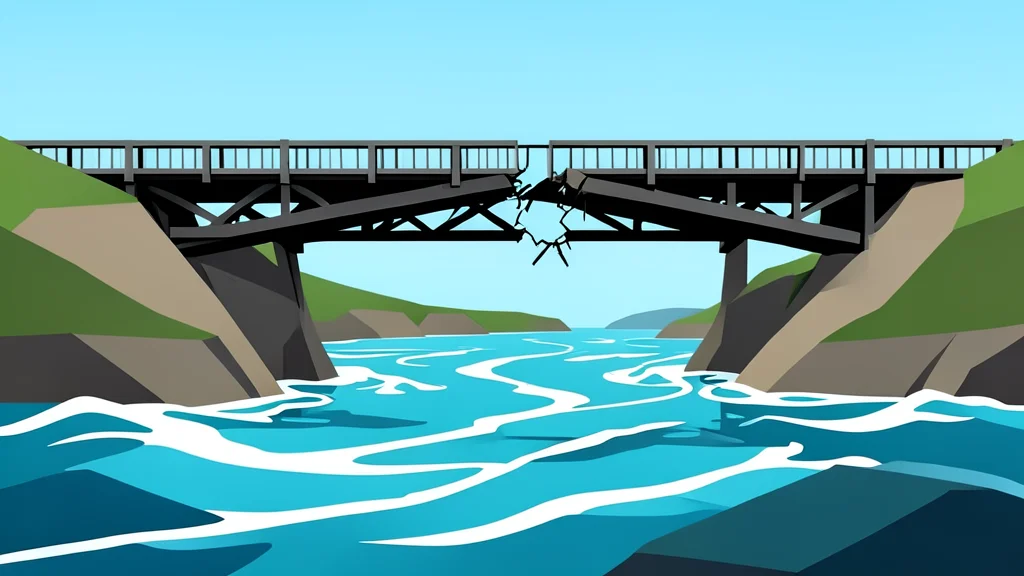
Recent assessments suggest a pattern where the removal of pragmatic leaders in Iran, Gaza, and Lebanon has repeatedly eliminated the primary pathways for ending conflict.
The conventional view of conflict resolution suggests that wars end when the cost of fighting becomes unsustainable, prompting parties to seek diplomatic exit routes. However, this process relies on the presence of specific interlocutors who possess both the standing to negotiate and the authority to deliver a settlement. According to Al Jazeera English, recent intelligence assessments indicate that these critical figures have been systematically removed, not merely as military targets, but as a strategic means to extinguish the possibility of compromise.
In early 2026, Sir John Sawers, the former head of Britain’s foreign intelligence service, provided a striking analysis regarding the killing of Ali Larijani. Sawers argued that Larijani was targeted because he was among the few Iranian officials capable of reaching a deal acceptable to both sides. This perspective invites a broader inquiry into whether such actions represent isolated incidents or a deliberate strategy to eliminate the moderate voices through which wars might otherwise be resolved.
The Vacuum of Moderation
The removal of a designated negotiator creates a specific political vacuum that differs significantly from the leadership void left by the death of a head of state. When a pragmatic leader is killed, the successor is rarely more flexible; often, the position is inherited by hardliners who survived the previous political cycle. This shift hardens the negotiating position and leads both sides to conclude that diplomacy was never a viable option, rendering the tactic self-fulfilling.
Historical precedents support this interpretation. In 1948, UN mediator Count Folke Bernadotte was assassinated in Jerusalem, disrupting truce proposals. Similarly, the 2020 killing of Mohsen Fakhrizadeh, a key figure in Iran’s nuclear program, occurred weeks after the U.S. election, a timing that many observers viewed as an obstacle to reviving the 2015 nuclear agreement rather than a simple counterproliferation measure.
Patterns Across Multiple Fronts
This dynamic is not confined to state actors but extends to non-state groups. In 1992, the assassination of Hezbollah’s secretary-general Abbas al-Musawi led to the rise of Hassan Nasrallah, who built the movement into a formidable armed force. More recently, the 2024 killing of Hamas political leader Ismail Haniyeh during ongoing ceasefire talks resulted in the transfer of authority to Yahya Sinwar, after which the diplomatic track effectively collapsed.
Larijani’s own background underscores the potential for missed opportunities. As a former nuclear negotiator and a defender of the 2015 deal, he was described by Western diplomats as tough but pragmatic. Following the assassination of Supreme Leader Ali Khamenei, Larijani had become Iran’s effective decision-maker, representing a realistic avenue for negotiation that has now been lost.
Uncertain Diplomatic Futures Ahead
The cumulative effect of these actions is a regional landscape where the individuals most capable of de-escalation have been removed. As diplomatic channels narrow, the risk of prolonged conflict increases, leaving observers to watch whether new, less flexible leaders can be coaxed toward the negotiating table or if the vacuum of moderation will persist.