Europe Monitors Russian Election for Signs of Escalation
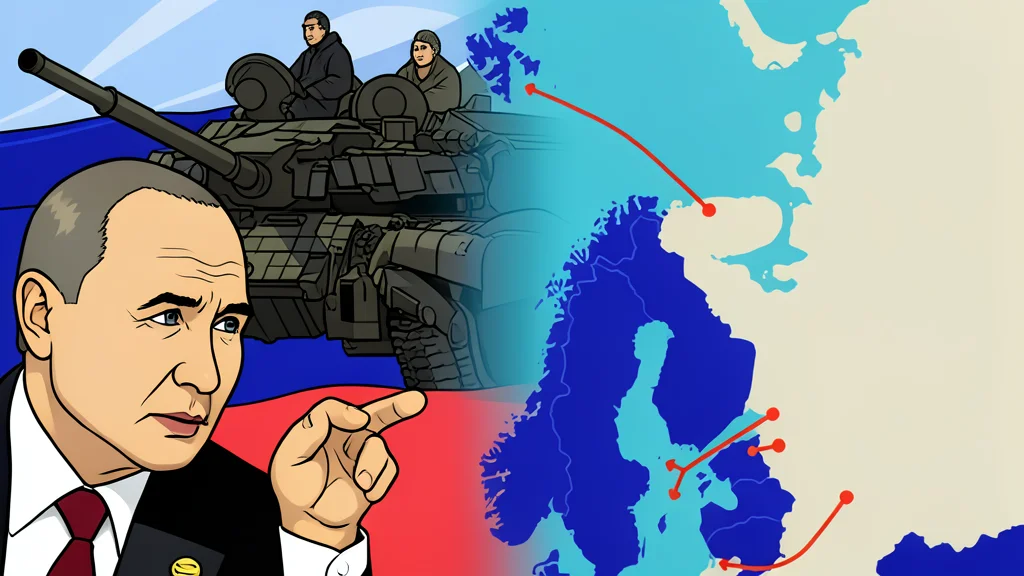
Western intelligence officials report that Moscow is preparing for potential post-vote mobilization and hybrid attacks, prompting heightened alert levels across NATO member states.
European security architects are monitoring the conclusion of Russia's parliamentary elections with a focus on the geopolitical aftermath rather than the likely outcome. The ruling United Russia party is expected to retain control of the State Duma, but Western intelligence agencies believe the Kremlin is using the vote as a political cover for broader strategic moves. These include potential expansions of military recruitment and increased hybrid activities against European targets, all conducted below the threshold of direct armed conflict.
According to assessments shared by NATO officials, the primary concern is not the distribution of seats but the timing of subsequent actions. Analysts suggest that a strong showing for the government could be leveraged to justify steps that were previously politically sensitive. This includes administrative preparations for a new wave of mobilization, which some sources claim could involve hundreds of thousands of new recruits. The situation has prompted a recalibration of defensive postures across the alliance, with an emphasis on cyber defense and border security.
Intelligence Points to Quiet Mobilization
Reports from the British Telegraph, citing Western intelligence, indicate that Moscow is engaging in what is described as quiet mobilization. This involves expanding contract recruitment and identifying specific populations that can be pressured to enlist. Ukrainian President Volodymyr Zelensky recently warned that his country’s intelligence services believe Russia plans to mobilize another 300,000 people following the September vote. While the Kremlin denies that any decision has been made, the observed administrative groundwork suggests the capability is being maintained for rapid deployment if required.
The motivation for these preparations appears linked to the stagnation on the front lines in Ukraine. Intelligence sources estimate Russian casualties at approximately 1.5 million, a figure that, while unverified, aligns with reports of heavy losses. These attrition rates may be driving the push for additional manpower. However, European officials warn that these forces might not be directed solely toward the Ukrainian theater. There is a growing fear that expanded military capacity could allow Russia to reinforce its western frontier, altering the balance of power along NATO’s eastern borders.
Elite Anxiety and Asset Movement
Uncertainty is not confined to the West; it has also permeated Russian elite circles. According to a report by Bloomberg cited by independent outlet Meduza, senior Russian officials have recently sought to open foreign bank accounts and move assets abroad. This behavior is attributed to rumors of impending mobilization and broader economic instability. Even employees of military recruitment offices have reportedly advised relatives to leave the country, suggesting a level of internal anxiety that contrasts with the official state media narrative of stability and support for the war effort.
This divergence between official rhetoric and private behavior highlights the fragility of the current political equilibrium. While Russian state media displays little anxiety, the actions of the elite suggest a recognition of the risks associated with further escalation. This internal tension may influence how quickly and decisively Moscow acts in the coming months, as leaders weigh the costs of expansion against the potential for domestic unrest or economic strain.
Hybrid Threats Across the Border
Beyond conventional military threats, Europe is bracing for an intensification of hybrid warfare. Western officials report that Moscow is preparing for expanded activity through cyberattacks, sabotage, and drone operations. These measures are designed to exert pressure on European states without triggering a direct military response. The goal appears to be to strain resources and create instability, thereby diverting attention and support away from Ukraine. NATO members are consequently increasing their resilience in critical infrastructure and digital defense.
The coming weeks will be critical in determining the scale of Russian escalation. Observers are watching for signs of increased recruitment activity, movements of military hardware near borders, and spikes in cyber incidents. The outcome of the election, while predictable, serves as a catalyst for these potential shifts. As the geopolitical landscape evolves, the focus remains on how effectively the alliance can deter further aggression while maintaining cohesion and preparedness.