Finland Deepens Nuclear Ties with France Amid Nordic Alignment
Helsinki is integrating into a Paris-led security framework to bolster European defense capabilities while explicitly distancing the arrangement from NATO’s collective obligations.
Finland has formally agreed to participate in a French-led initiative focused on nuclear deterrence, marking a significant evolution in bilateral defense cooperation. According to the Finnish Ministry of Defence, this move is designed to strengthen the country's security posture without replacing or duplicating the existing NATO nuclear umbrella. Helsinki emphasized that the partnership operates under distinct parameters that differ fundamentally from the mandatory commitments associated with the North Atlantic Treaty Organization.
Defense Minister Antti Häkkänen described the step as a natural progression, noting that close allies such as Norway, Sweden, and Denmark have already joined the framework. He clarified that each participating nation retains the autonomy to determine the specific scope and format of its involvement. Unlike the NATO structure, this initiative does not impose mandatory financial contributions or rigid operational obligations, allowing for a more flexible approach to European security architecture.
Legislative Adjustments And Strategic Context
This diplomatic shift follows recent legislative changes in Finland. In June, the Finnish parliament repealed laws that previously banned the transit and storage of nuclear weapons for defense purposes. Prime Minister Petteri Orpo stated that these amendments were intended to remove legal barriers that no longer exist in other Nordic countries. He stressed that the decision does not signal an intention to station nuclear weapons on Finnish soil, aligning with President Alexander Stubb’s assurance that no such weapons would be deployed during peacetime.
The geopolitical backdrop for these changes is the reconfiguration of European defense strategies following the conflict in Ukraine. According to GN geopolitics/nato, the initiative aims to enhance European states' responsibility for their own defense and their ability to prevent escalation. With only the United Kingdom and France possessing nuclear arsenals in Europe, Helsinki’s alignment with Paris seeks to reinforce the deterrent value of these capabilities while maintaining a clear distinction from the broader NATO command structure.
Operational Realities And Future Negotiations
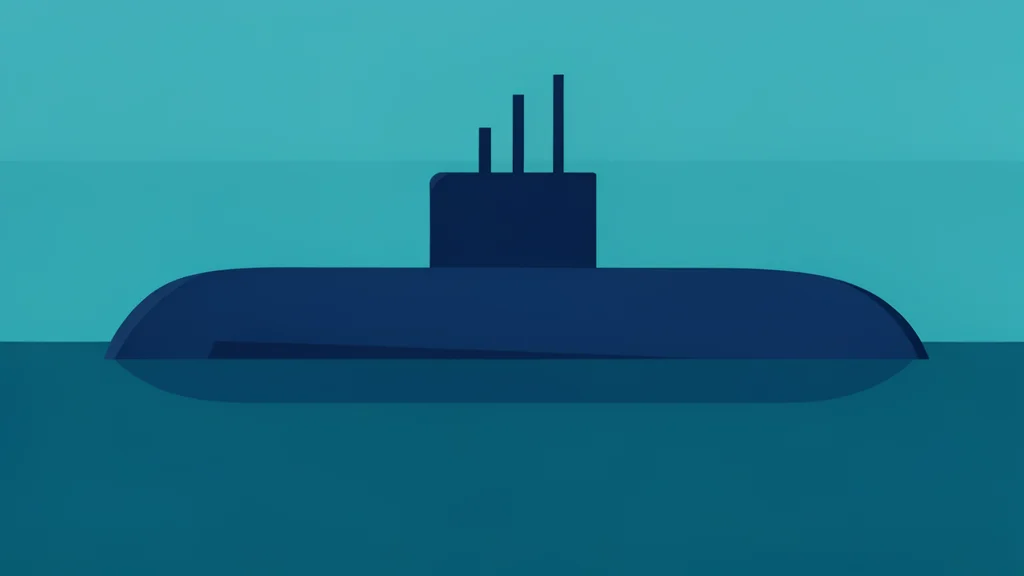
France’s nuclear arsenal, estimated at approximately 290 warheads, relies primarily on submarine-based delivery systems, with fighter jets serving as secondary platforms for tactical weapons. As Finland prepares for talks with Paris to define the specific terms of cooperation, the focus remains on deepening technical and strategic dialogue. The goal is to enhance interoperability and shared understanding of deterrence principles without creating a separate, binding commitment that would parallel the collective defense mechanisms of the Atlantic alliance.
Watching For Broader European Integration
Analysts are closely monitoring how this bilateral arrangement influences the broader Nordic security landscape. The explicit exclusion of NATO-style obligations suggests a desire to maintain strategic autonomy while leveraging French nuclear credibility. The next phase will likely involve detailed negotiations on the scope of information sharing and joint exercises. Observers will watch whether other European nations seek similar flexible frameworks to bolster their defense postures without becoming entangled in new mandatory financial or operational burdens.