France's 2027 Race Focuses on Cost of Living Crisis
A new Ipsos survey indicates that economic anxiety, rather than migration, is the primary driver of voter sentiment as French candidates prepare for the upcoming presidential election.
French political contenders are increasingly aligning their platforms around the cost of living, recognizing that economic insecurity has overtaken other concerns for the electorate. According to a recent Ipsos survey released by France 24, a significant majority of registered voters report feelings of worry and anger regarding the current state of the economy. This shift marks a departure from previous cycles where immigration was a dominant theme, suggesting that daily financial pressures are now the central axis of the debate.
With seven months remaining until the April 2027 vote, the atmosphere among voters is described as one of deep pessimism. Only a small fraction of respondents expressed hope, while nearly all cited negative emotions related to the nation's trajectory. This widespread dissatisfaction is creating a fertile ground for candidates who promise radical economic reforms, as the electorate demands tangible improvements to their purchasing power.
Economic Anxiety Drives Voter Sentiment
The data from the poll of over 13,000 voters highlights a stark increase in anxiety compared to the 2021 cycle. Brice Teinturier, director at Ipsos, noted in an interview with Le Monde that this emotional climate is fueling a stronger desire for systemic change. He emphasized that purchasing power is now the most pressing issue, surpassing concerns about immigration or social order.
This economic strain is not limited to lower-income households. Jean-Yves Camus, a political scientist at the French Institute for International and Strategic Affairs, observed that even the upper-middle class is feeling the pinch. He cited the rising cost of housing in cities like Paris, where even decently paid families struggle to maintain their standard of living. This broadening impact of inflation suggests that the economic crisis is a cross-class phenomenon.
Inflation and Energy Costs Compound Pressures
Several external factors are exacerbating the domestic economic situation. Recent heatwaves have damaged agricultural yields, driving up food prices, while geopolitical tensions in the Middle East have contributed to higher fuel and energy costs. Camus explained that these factors are forcing households to scrutinize their spending habits more closely than before.
The necessity of car ownership for many French workers adds another layer of financial stress. With many households relying on two vehicles for daily commuting, the surge in fuel prices has a disproportionate effect on monthly budgets. According to INSEE, the national statistics agency, household purchasing power is expected to decline by 0.4 percent this year, a trend that mirrors the previous year but affects a broader segment of the population.
Candidates Seek to Define the Agenda
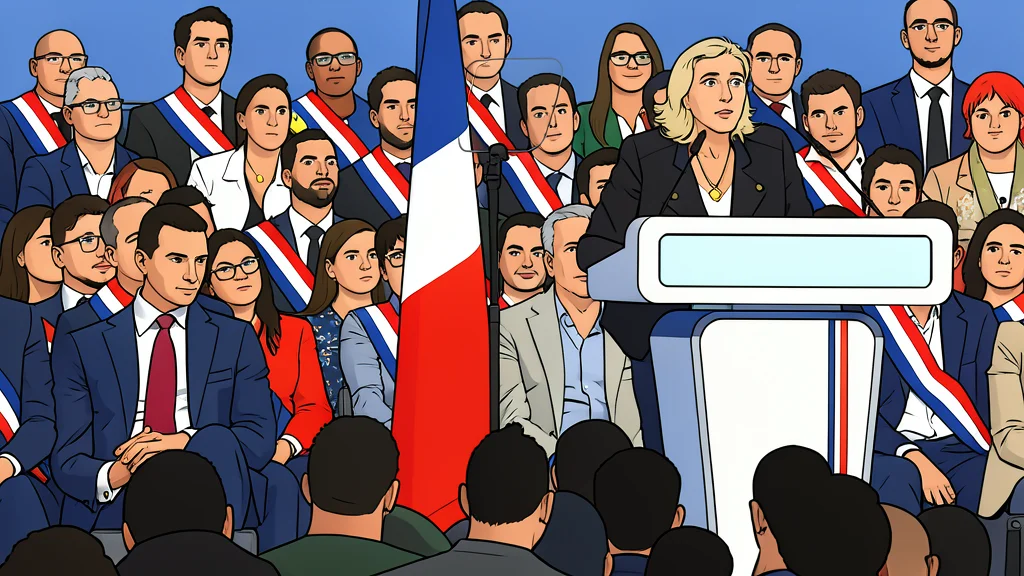
Political figures from across the spectrum are moving to claim ownership of the economic narrative. From the far-right leader Marine Le Pen to the far-left Jean-Luc Mélenchon, candidates are framing their campaigns around concrete economic actions. This strategic pivot reflects a recognition that voters are no longer satisfied with abstract policy promises but are looking for immediate relief from rising costs.
As the political season kicks off following the summer break, the focus on economic relief is expected to intensify. The ability of candidates to offer credible solutions to the cost-of-living crisis will likely be a decisive factor in shaping the electorate's choices. The coming months will reveal whether specific policy proposals can translate into voter confidence or if the prevailing sense of economic uncertainty continues to dominate the political landscape.