Germany Targets 2045 Fossil Fuel Phaseout Amid Supply Concerns
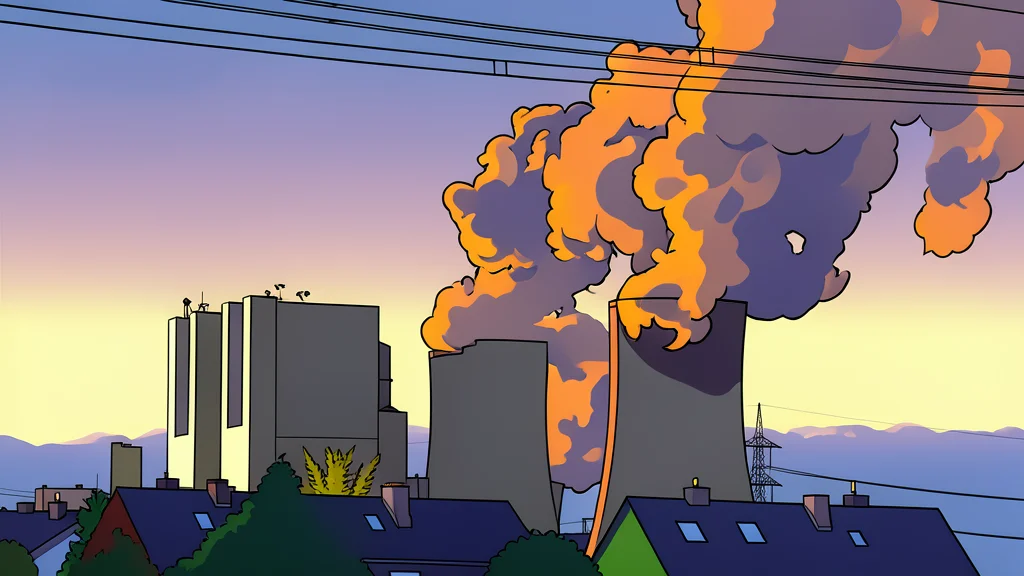
Berlin outlines a roadmap to end coal, oil, and gas use by 2045, citing energy security and climate goals.
Key points
- Germany aims to end fossil fuel use by 2045 to secure energy supplies.
- Fossil fuels accounted for 65% of German energy consumption in 2024.
- The plan requires 100% of new cars to be electric by 2035.
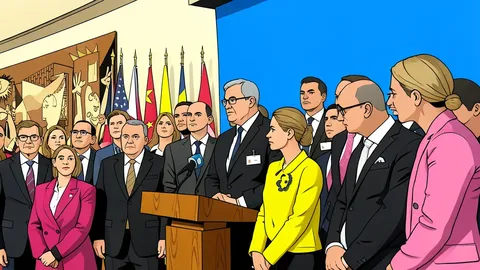
Germany presented a plan to phase out fossil fuels by 2045. Environment Minister Carsten Schneider announced the roadmap at the UN General Assembly on Wednesday.
The strategy aims to combine energy independence with climate protection. It marks Germany as the third major economy to submit such a plan.
Security drives the timeline
Schneider linked the decision to global fuel supply disruptions. He cited the conflict in Iran as a key factor. Stable energy access is now a priority.
Fossil fuels made up 65% of German energy use in 2024. Most of this was imported. The cost reached 76 billion euros before recent price spikes.
Mixed reactions from groups
Environmental groups welcomed the announcement as a positive step. Greenpeace praised the sign of life in policy. However, they noted ongoing subsidies for oil.
Critics argue the plan lacks new ambition. WWF advisor Fentje Jacobsen said it rehashes existing initiatives. The government faces pressure to balance goals.
Internal policy conflicts remain
Energy Minister Katherina Reiche supports new gas plants. She argues this stabilizes the grid. This conflicts with the phaseout targets.
The plan mandates electric cars for all new sales by 2035. Reiche wants to keep combustion engines for alternative fuels. This creates a tension within the coalition.
According to Deutsche Welle, the automotive sector is vital to the economy. Recent struggles in this industry affect the broader market. The path forward remains complex.