Greece and Egypt Conclude Joint Naval Drills in Crete
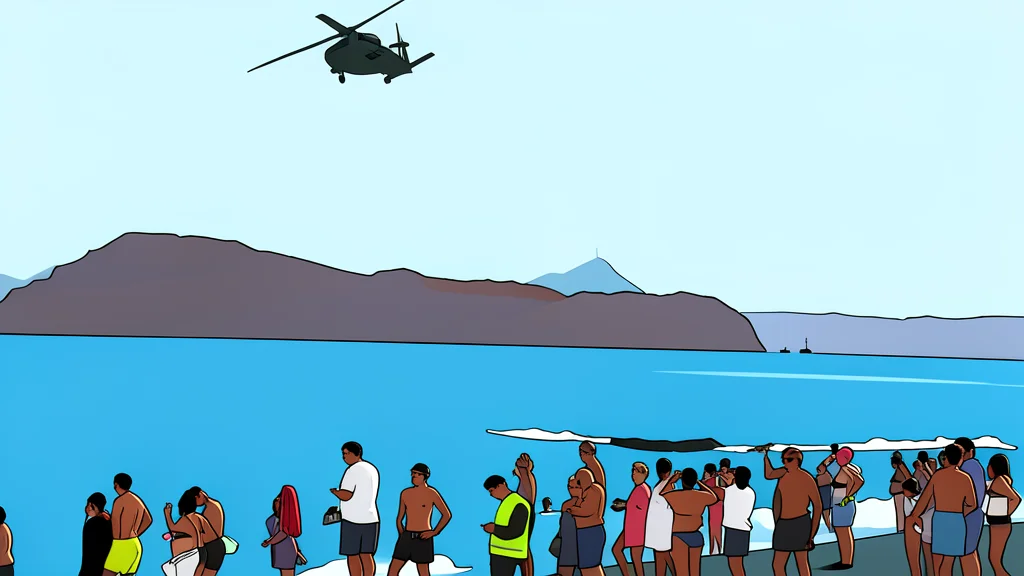
Tourists in Chania observed large-scale military maneuvers just meters from the shoreline, reflecting a broader shift toward enhanced security coordination across the Mediterranean basin.
Holidaymakers on the Greek island of Crete found their leisure interrupted by a significant display of military capability on Friday. According to reports from Africanews, vacationers seeking shade or a morning swim witnessed the annual Medusa exercise unfold just 50 meters from the beachfront near the port city of Chania. The event featured drone simulations, rapid boat landings, and coordinated fire from marine and special forces, creating a stark contrast to the typical tranquility of the tourist destination.
Greek military police maintained a secure perimeter, keeping onlookers at a safe distance while jets and helicopters passed overhead during the hour-long demonstration. A tourist from northern England noted the unexpected scale of the operation, expressing surprise at the intensity of the drill. This visible presence of armed forces in a popular leisure area underscores the increasing intersection of military activity and civilian life in the region.
Multi-National Participation Expands
The exercise, which ran from September 10 to 18, was not limited to the two lead nations. France, Italy, and Cyprus contributed personnel and assets to the joint operations. Egypt deployed the helicopter carrier Gamal Abdel Nasser, while observers from Serbia, the United Arab Emirates, Bahrain, and Mozambique attended the proceedings. This broad coalition highlights a concerted effort to standardize protocols and improve interoperability among diverse naval and air forces operating in shared waters.
Strategic Context of Regional Tensions
These drills occur against a backdrop of shifting geopolitical dynamics. Recent conflicts and economic uncertainties have prompted nations to seek stronger deterrence capabilities and closer alliances. Greece recently signed a three-billion-euro agreement with Israel for a new air defense system, while Turkey, Pakistan, and Saudi Arabia established their own landmark defense pact. Such developments suggest a period of recalibration where traditional partnerships are being tested and new cooperative frameworks are being forged.
The Medusa exercise serves as a practical demonstration of these evolving relationships. By integrating forces from different political and cultural backgrounds, the participating countries are signaling a commitment to collective security. The visibility of these operations in a high-profile tourist zone also serves a diplomatic function, projecting strength and stability to both domestic populations and international partners.
Future Watchpoints for Cooperation
As the exercise concludes, attention turns to how these cooperative efforts will translate into long-term strategic outcomes. Analysts will likely monitor subsequent joint maneuvers and diplomatic engagements to gauge the depth of these alliances. The coming weeks may reveal whether this momentum leads to further institutionalized cooperation or remains a series of episodic exercises in response to immediate regional pressures.