Latvia President Warns NATO Air Defense Gaps May Persist
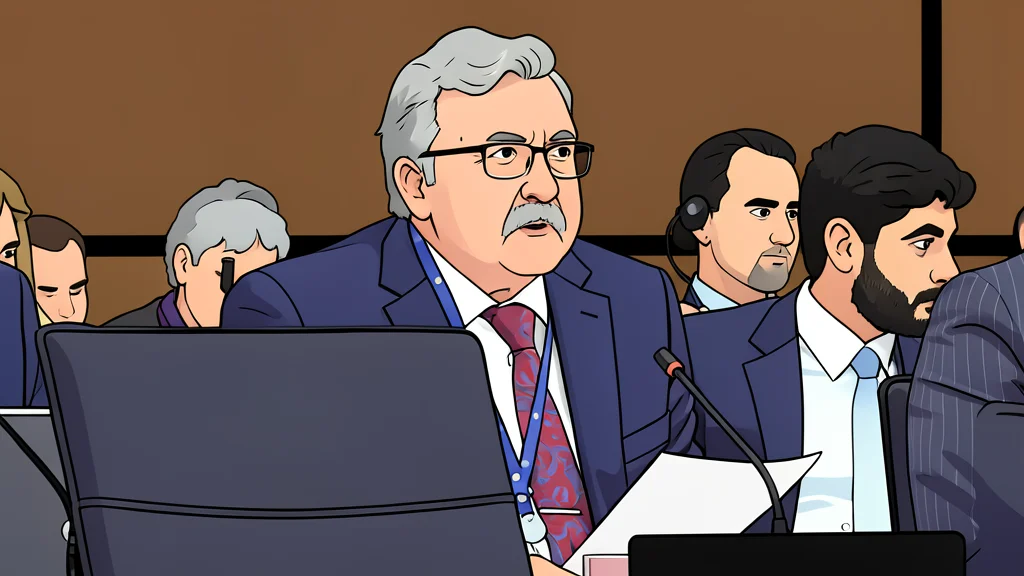
Latvian President Edgars Rinkēvičs has raised alarms regarding the resilience of European air defense systems, suggesting that current capabilities may be insufficient to counter evolving Russian threats.
Latvian President Edgars Rinkēvičs has issued a stark assessment of Europe’s defensive posture, warning that NATO and partner nations may face significant difficulties in intercepting a coordinated Russian missile attack. In recent remarks, the president highlighted a widening gap between the rapid evolution of aerial warfare tactics and the slower pace of allied industrial and logistical adaptation.
According to reports from GN geopolitics/nato, Rinkēvičs emphasized that the dynamic nature of drone and missile technology in Ukraine is rendering traditional defense strategies increasingly obsolete. He cautioned that without urgent structural changes, European air defense networks could remain vulnerable to sophisticated strikes well into the next year.
Rapid Technological Shifts Challenge Defense
The Latvian president noted that the pace of development in counter-drone and missile defense technologies is extraordinary. He suggested that approaches currently considered robust may become outdated by mid-next year if allies do not accelerate their modernization efforts. Rinkēvičs acknowledged that these challenges are not limited to Ukraine but extend across Europe and the broader NATO alliance.
He pointed to specific vulnerabilities in air defense, counter-drone protection, and missile interception systems. The president argued that a sudden multi-vector strike would serve as a critical stress test for many European countries, exposing potential failures in reaction time and system capacity. This assessment underscores a growing concern that existing infrastructure may not withstand the intensity of modern hybrid warfare.
Patriot Production and Licensing Hurdles
Discussions regarding the transfer of technology for Patriot air defense systems remain ongoing but have yet to yield a final agreement. According to Rinkēvičs, the process is complicated by technical complexities and licensing restrictions that involve both the U.S. government and private manufacturers. These delays contribute to a broader bottleneck in the delivery of interceptor missiles to Ukraine and European partners.
The president indicated that resolving these issues depends heavily on political will and corporate cooperation. Until these barriers are removed, allies may continue to face shortages in critical defensive assets. This situation highlights the interdependence of military procurement and diplomatic negotiation in maintaining collective security.
Escalation Risks and Strategic Vigilance
Rinkēvičs interpreted recent incidents, including cyberattacks and drone incursions, as deliberate tests of Europe’s resolve to support Ukraine. While he does not anticipate a conventional military invasion, he urged continued vigilance regarding other forms of aggression. The president suggested that Moscow may seek to increase pressure on the front following local elections, aiming to exhaust the resources of Ukraine’s partners.
Recent events, such as the interception of a Russian drone over Lithuania, illustrate the tangible risks facing NATO airspace. These incidents serve as reminders that the threat environment is expanding beyond the borders of the conflict zone. The forward question remains how effectively allies can integrate new technologies and expand production to close these defensive gaps before further provocations occur.