Greenland Signs Binding Defense Deal with US
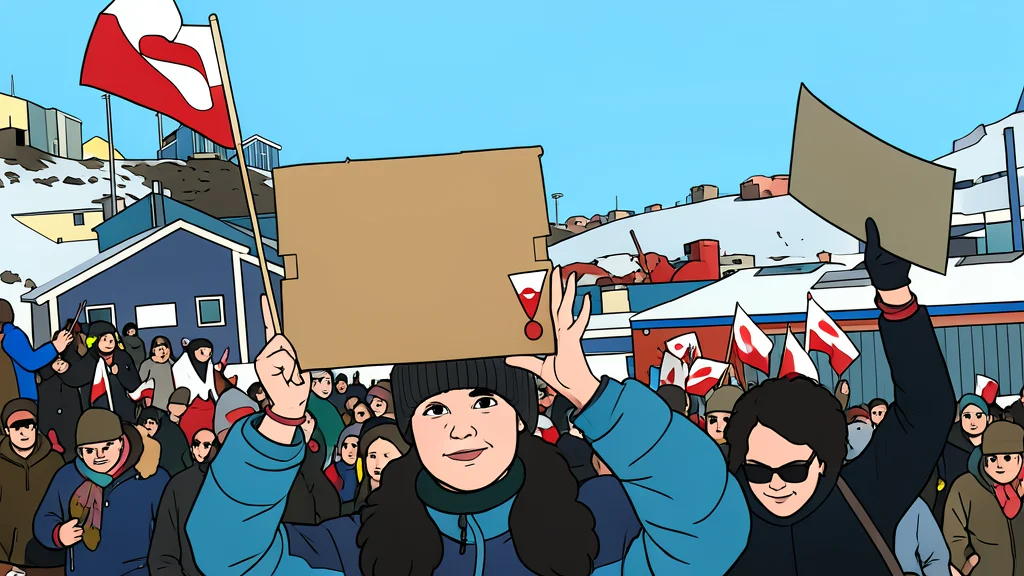
US and Greenland signed a new security pact at the UN, marking a historic step for the island's autonomy after a tense standoff with Denmark.
Key points
- The US and Greenland signed a new security deal at the UN, ending a diplomatic crisis that threatened NATO unity.
- Greenland secured its first binding international agreement as a self-governing entity, marking a significant step toward greater autonomy.
- The deal follows a period of high tension, with critics arguing the US gained little new military access compared to the 1951 treaty.
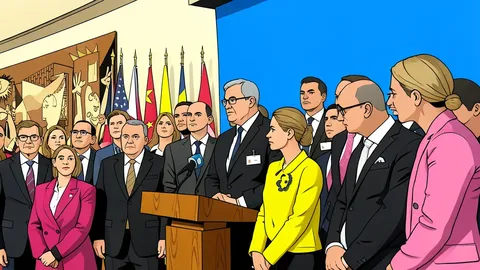
President Donald Trump signed a new security agreement with Greenland and Denmark on Tuesday. The deal was finalized on the sidelines of the U.N. General Assembly in New York.
According to the Boston Herald, this move ended a period of intense diplomatic strain. The signing ceremony featured greetings and smiles, signaling a return to cooperation.
Tensions nearly split the alliance
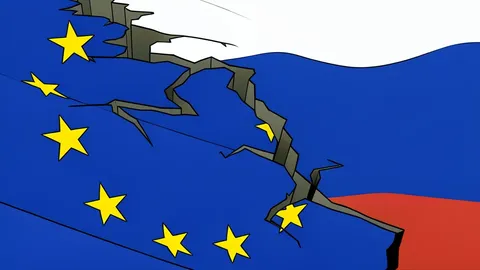
Trump’s earlier desire to acquire Greenland threatened to break NATO. The situation shattered trust between the United States and its European partners.
Critics argue the new agreement offers only slight gains. The US already held extensive military access under a 1951 deal.
Many observers believe the transatlantic distrust created since late 2024 was a high price. It seems a steep cost for what may be an incremental change.
Greenland gains significant diplomatic weight
Greenland may emerge as the primary winner in this dispute. The episode marks a major step toward greater autonomy for the island.
Greenlandic Prime Minister Jens-Frederik Nielsen noted the island's presence at the table. He described the signing as a notable change in their status.
Lawmaker Naaja Nathanielsen called it the first binding agreement as a country. She said this is a huge step toward self-autonomy.
Historical burdens shape current relations
Denmark and Greenland carry a complicated colonial history. Past policies included forced contraception and the removal of Inuit children.