JLR Pursues NATO Contracts Amidst European Defense Shifts
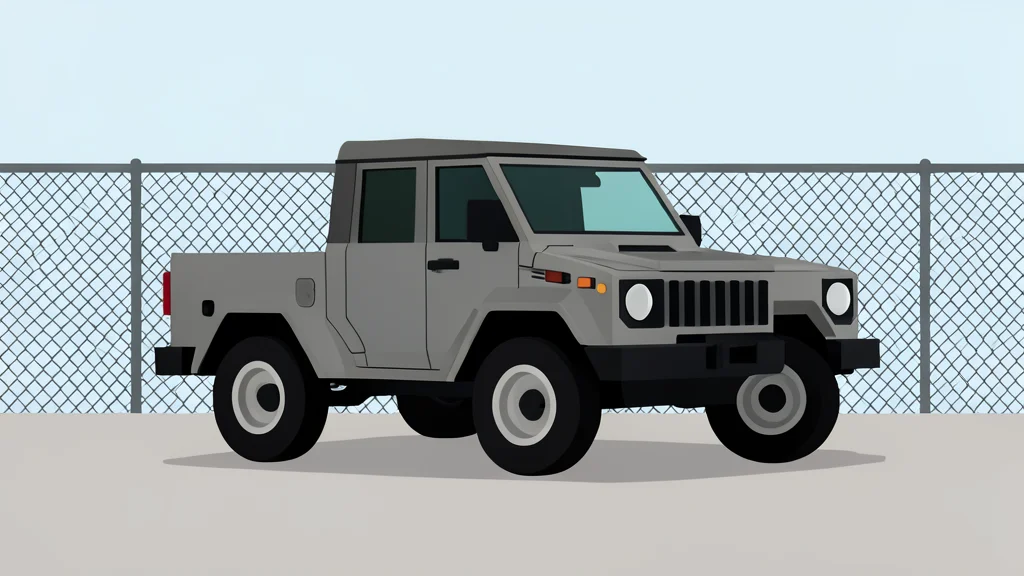
Jaguar Land Rover is reportedly negotiating with NATO nations for military vehicle sales, signaling a significant shift in European defense procurement strategies as geopolitical tensions rise.
Jaguar Land Rover is reportedly engaged in substantial negotiations with NATO member states regarding the sale of military-grade Defender vehicles. According to reports cited by GN geopolitics/nato, the UK-based automaker aims to secure a foothold in the defense sector as European nations increase their military expenditures. This move positions JLR to diversify its revenue streams beyond the civilian automotive market, leveraging its existing engineering capabilities to meet rising demand for tactical mobility solutions.
The initiative reflects a broader trend in the automotive industry, where manufacturers are increasingly exploring dual-use applications for their platforms. As geopolitical tensions persist, European governments are looking to bolster their defense capabilities, creating a lucrative opportunity for established brands to enter the defense supply chain. For JLR, this represents a strategic pivot that aligns with the continent’s renewed focus on security and self-sufficiency.
European Defense Spending Accelerates
The backdrop for these negotiations is a significant shift in European fiscal priorities toward national security. With the geopolitical landscape evolving, many NATO countries are reassessing their defense postures and procurement strategies. This has created a favorable environment for companies like JLR, which can offer robust, proven vehicle platforms. The demand for reliable, off-road capable vehicles that can be adapted for military use has grown, prompting automakers to engage directly with defense ministries and allied procurement agencies.
This trend is part of a wider movement within the automotive sector, where the line between civilian and military applications is becoming less distinct. Manufacturers are leveraging their supply chains and technological expertise to serve the defense sector, a move that was less common in previous decades. The result is a more integrated approach to vehicle design, where durability and versatility are key considerations from the outset.
Strategic Pivot for Automotive Leaders
For Jaguar Land Rover, entering the defense market is a calculated step to capitalize on growing budgets. By leveraging its brand reputation and existing technology, JLR aims to establish itself as a key supplier of tactical vehicles. This diversification reduces reliance on volatile consumer markets and provides a more stable revenue source. The company’s ability to adapt its Defender platform for military use demonstrates its flexibility and commitment to meeting the specific needs of defense clients.
The move also highlights the increasing importance of the automotive industry in national defense strategies. As countries seek to modernize their armed forces, the role of commercial vehicle manufacturers becomes more pronounced. JLR’s engagement with NATO countries underscores the potential for collaboration between the private sector and public defense institutions, fostering innovation and efficiency in vehicle procurement.
Market Dynamics and Future Outlook
While the primary focus is on JLR’s defense ambitions, the broader market context remains complex. Other sectors, such as technology and hardware, are also navigating their own challenges and opportunities. However, the automotive industry’s entry into the defense space marks a notable development. Investors and analysts are watching to see how other manufacturers respond to this shift, potentially leading to a more competitive landscape for defense vehicle contracts.
Looking ahead, the outcome of these negotiations will be a key indicator of the growing intersection between automotive manufacturing and national defense. As European nations continue to prioritize security, the demand for advanced, reliable vehicles is expected to rise. JLR’s success in securing these contracts could set a precedent for other companies, reshaping the dynamics of the global defense market.