Latvia Drops Opposition to EU Lifting Sanctions on Two Oligarchs
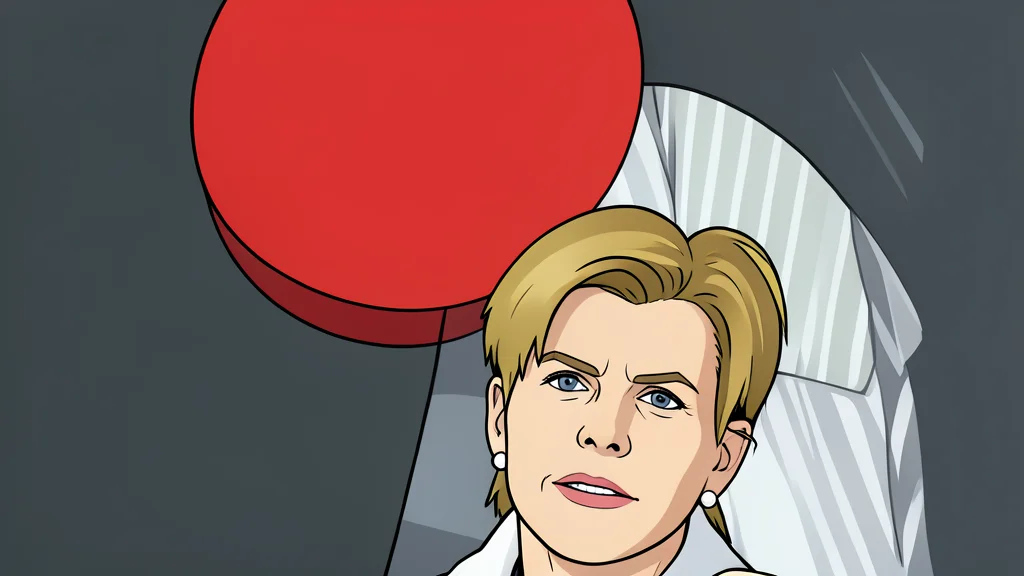
Latvia reversed its stance to allow the delisting of Fridman and Usmanov, securing a 36-month extension for the broader sanctions regime.
Key points
- Latvia reversed its opposition to allow the delisting of Fridman and Usmanov from EU sanctions.
- The compromise extends the existing EU sanctions regime for 36 months instead of 12.
- Ukraine's sanctions chief criticized the move as an embarrassing signal to Moscow.
Latvia agreed to cease its opposition to a plan removing two Russian oligarchs from European Union sanctions on the afternoon of Sept. 22, according to three national diplomats. This reversal came just hours after the Baltic state had publicly defended the strictness of the bloc’s punitive measures against Moscow.
The shift in Riga’s position was driven by a delicate compromise brokered by France and Slovakia. By withdrawing its veto, Latvia enabled the EU to proceed with a provisional agreement that extends the existing sanctions regime for 36 months, a duration significantly longer than the previously discussed 12-month renewal.
Ukrainian officials criticize the diplomatic outcome
The decision has drawn sharp criticism from Kyiv. Vladyslav Vlasiuk, Ukraine’s sanctions chief, described the development as astonishing and embarrassing on social media. His comments highlight the tension between maintaining a unified front against Russia and the internal political pressures within member states.
According to the Kyiv Independent, the change in Latvia’s stance occurred rapidly. President Volodymyr Zelensky had praised Latvia’s initial strong stance just two hours before Riga signaled its willingness to abstain rather than vote against the compromise. This abstention allows the measure to pass without Latvia’s explicit endorsement.
Political pressures shaped the final compromise
Latvia had initially demanded a two-week postponement of the vote to align it with an upcoming parliamentary election. Delisting the two men is considered a politically toxic move in the country, and Riga sought to avoid making that decision in the immediate lead-up to a critical ballot.
Diplomats noted that Belgium and Lithuania also committed to abstaining. These nations did not support the delisting but could not risk the expiration of all 3,000 current sanctions listings. The unanimity rule in EU sanctions policy gave France and Slovakia significant leverage in securing this final deal.
Profile of the sanctioned individuals
Mikhail Fridman and Alisher Usmanov are both viewed as close associates of Russian President Vladimir Putin. Fridman, co-founder of Alfa-Group, had ties to entities that provided insurance for Russian military vehicles and serviced units responsible for Putin’s security. He previously owned Sense Bank in Ukraine before its nationalization.
Usmanov built his wealth in the metal and mining sectors following the Soviet collapse. The EU’s original 2022 sanctions decision referred to him as one of Putin’s favorite oligarchs. The ambassadors’ agreement now requires a formal written vote by national ministers, with a deadline of 6 p.m. local time.