Moscow Rejects EU Hybrid Threat Claims, Blames NATO Expansion
Kremlin denies involvement in European sabotage incidents, accusing Brussels of fabricating threats to justify military spending.
Key points
- Putin claims Russia has no aggressive intentions toward Europe and is ready to restore relations.
- Kremlin spokesperson Peskov argues EU states fabricate threats to justify higher defense spending.
- Moscow blames NATO expansion and European war preparations for escalating regional tensions.
Moscow has intensified its diplomatic pushback against recent European Union warnings regarding Russian security threats. According to sabcnews.com, Kremlin officials are disputing characterizations of their actions as hostile, instead framing the situation as a result of Western policy failures.
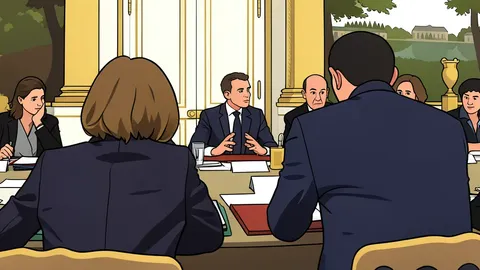
President Vladimir Putin addressed the issue during a meeting on Russia’s defense sector, asserting that Russia holds no aggressive intentions toward European states. He maintained that Moscow remains open to restoring relations and cooperating with neighbors, provided that tensions are de-escalated.
Kremlin disputes hybrid threat narrative
Kremlin spokesperson Dmitry Peskov rejected European claims that Russia is responsible for a rising tide of so-called hybrid threats. He argued that European governments are portraying Russia as an external enemy to justify higher defense budgets and persuade their populations to accept increased costs.
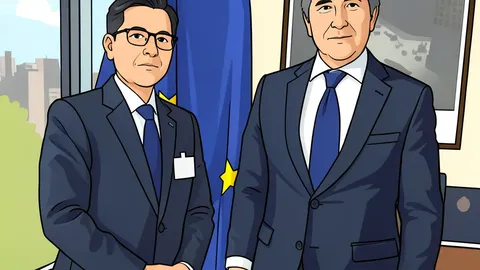
This stance follows remarks by European Commission President Ursula von der Leyen, who stated that hybrid threats are becoming more tangible. She cited cyberattacks, sabotage, arson, and drone incidents, accusing Russian operatives of involvement in several such events across the continent.
NATO expansion cited as primary driver
Putin criticized the continued expansion of NATO, suggesting that some European leaders are openly discussing preparations for a possible war with Russia. He accused these leaders of escalating tensions rather than listening to their own citizens, who may prefer diplomatic stability over militarization.
The Russian leadership contends that the current escalation is driven by increased European military preparations and the eastward shift of the alliance. Moscow views these developments as direct provocations that undermine regional security and justify its own defensive postures.
Diplomatic signals amid rising tensions
Despite the sharp rhetoric, Putin reiterated that Russia is ready to restore relations and cooperate with European neighbors. This offer stands in contrast to the hardline accusations from Brussels, creating a complex diplomatic landscape where both sides blame the other for the lack of progress.
Analysts suggest that the next phase will depend on whether European leaders maintain their current defense posture or seek diplomatic openings. The focus remains on how both sides interpret each other's actions in the coming weeks, particularly regarding military deployments and cyber defense strategies.