NATO Chiefs Select German General for Military Committee Chair
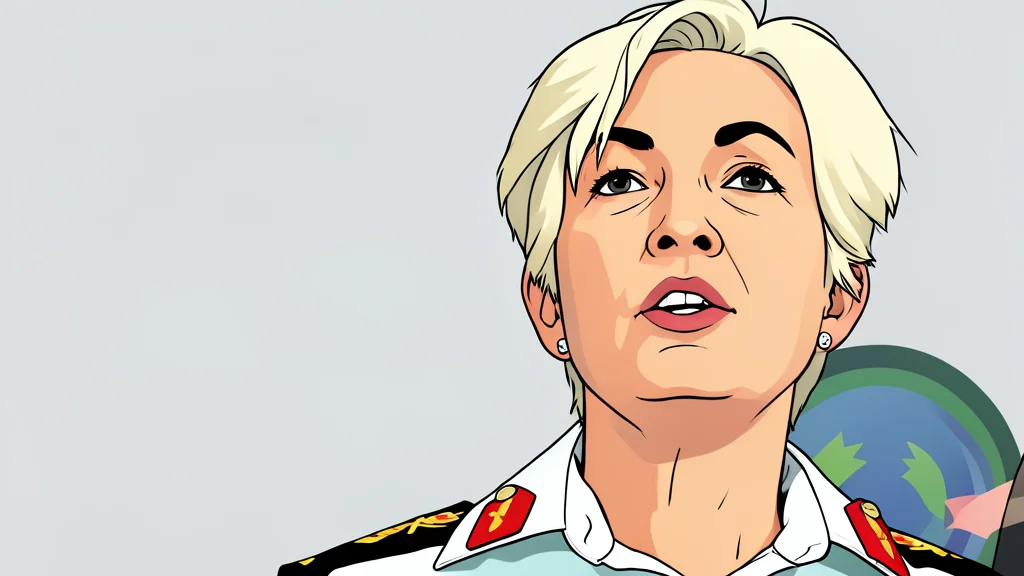
Allied defence leaders in Copenhagen have elected Germany's Gen. Carsten Breuer to head NATO's military committee, ending a high-profile candidacy for Canada's top commander. The decision highlights the alliance's internal balance of power as it navigates a shifting security environment.
NATO chiefs of defence have selected German General Carsten Breuer as the next chair of the alliance’s military committee, a decision announced following meetings in Copenhagen. The election concludes a competitive process in which Canada’s Chief of the Defence Staff, General Jennie Carignan, served as the primary challenger for the prestigious role.
According to reports from GN geopolitics/nato, the choice reflects a strategic preference for regional representation within the alliance’s senior military leadership. While the position carries significant symbolic weight and operational oversight, it remains distinct from the supreme allied commander role, which is traditionally held by an American officer. The outgoing chair, Italian Admiral Giuseppe Cavo Dragone, is expected to complete his term next year.
Canada responds with diplomatic grace
Canadian officials reacted to the outcome with measured professionalism. Defence Minister David McGuinty issued a statement congratulating Breuer while affirming Canada’s continued commitment to collective defence. He noted that General Carignan’s candidacy demonstrated exceptional leadership and a deep dedication to allied collaboration, framing the effort as a contribution to the alliance’s broader goals rather than a loss.
General Carignan also addressed the result publicly, describing the opportunity to engage with allied peers as an honour. She emphasized her intention to maintain close cooperation with her colleagues and expressed confidence that Breuer would provide strong leadership. Her statement underscored a focus on continuity, signaling that her primary attention remains on the transformation of the Canadian Armed Forces.
Historical context for the role
The chairmanship of the military committee is a position of considerable prestige, though it does not command the same operational authority as the supreme allied commander. Historically, Canadian officers have held the post on rare occasions, with the most recent tenure occurring during the mid-2000s Afghanistan conflict. If Carignan had been selected, she would have become the first woman to occupy the role, marking a significant milestone in NATO’s history.
Leadership transition in Copenhagen
The handover process is already underway, with Admiral Cavo Dragone expressing full support for Breuer’s appointment. He cited the new chair’s operational judgment and extensive familiarity with alliance structures as key assets for navigating the current Euro-Atlantic security landscape. The military committee is expected to continue working closely with the incoming leader through the transition period to ensure stability in planning and coordination.
As Breuer prepares to assume his duties, observers will watch how the new leadership prioritizes joint exercises and strategic planning. The alliance faces a demanding period ahead, requiring close coordination among member states. The selection of a German general for this central role is seen as a reinforcement of European military cohesion within the broader NATO framework.