Yemen Conflict Escalation Displaces 125,000

New displacement figures and attacks near the Bab el-Mandeb Strait signal a critical shift in the Yemeni crisis, raising urgent questions for regional stability and global shipping.
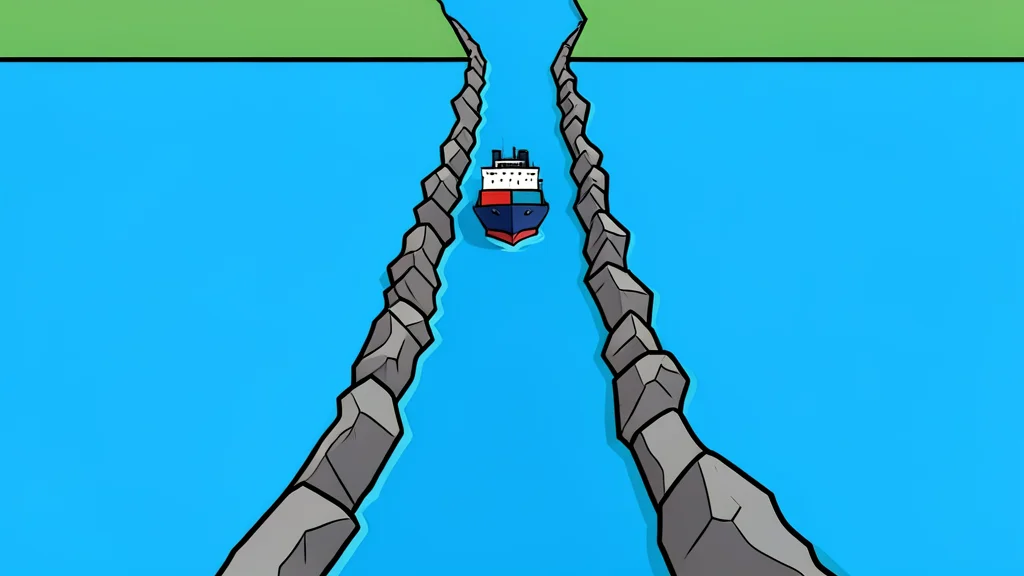
The humanitarian situation in Yemen has deteriorated sharply, with the United Nations reporting that at least 125,000 people have been newly displaced by ongoing hostilities. According to the Civilian Impact Monitoring Project, the death toll among civilians reached 117, including 19 children, between August 1 and September 10. This surge in displacement coincides with intensified military activity near the Bab el-Mandeb Strait, a critical chokepoint for global commerce.
Houthi forces have recently seized control of towns and islands near the key oil passageway in the Red Sea. These actions have sparked immediate concerns regarding the safety of commercial shipping and have contributed to rising oil prices. The escalation follows a period of heightened tensions between the Iran-backed militants and Saudi-led coalition forces, marking a significant break from the fragile ceasefire that held in previous years.
Strategic Control of Maritime Routes
The seizure of Mokha, a town near the Bab el-Mandeb Strait, and nearby islands represents a tactical shift in the conflict. According to reports from the GN auto geopolitics/middle-east: Yemen conflict desk, these moves are designed to exert pressure on shipping lanes. The Houthis have previously targeted container ships and taken crews hostage, actions that drew international military responses from the United States and its allies. The current escalation appears to be a calculated effort to leverage geographic control against commercial interests.
Saudi Arabia has responded to Houthi attacks on its assets and infrastructure with a series of airstrikes. A spokesperson for the Saudi-led coalition stated that the forces would respond responsibly to the threats. In parallel, the Houthis have claimed responsibility for launching missiles at Saudi vessels and assets. This exchange highlights the deepening entanglement of regional powers in the Yemeni conflict, where local disputes increasingly serve as proxies for broader geopolitical rivalries.
Regional Alliances and International Involvement
The conflict in Yemen involves a complex web of international actors. The Houthis, designated as a terrorist organization by Australia in 2024, maintain strong ties with Iran. Saudi Arabia, which entered the conflict in 2015, remains a key player supporting the internationally recognized government. The United Arab Emirates has also been involved, particularly in the southern provinces rich in oil resources. These overlapping interests make de-escalation difficult, as each party pursues distinct strategic goals within the broader regional landscape.
The United States and the United Kingdom have previously conducted strikes on Houthi military targets in response to attacks on shipping. The Yemen Data Project estimates that these operations have resulted in significant civilian casualties. The recent closure of the Strait of Hormuz due to tensions between the U.S. and Iran has further complicated the situation, redirecting maritime traffic through the Red Sea. This shift increases the strategic importance of the Bab el-Mandeb Strait and the potential for conflict in the region.
Humanitarian Crisis Deepens
The UN Special Envoy for Yemen has warned that the country faces a serious risk of returning to large-scale conflict. This assessment comes as the humanitarian situation worsens, with thousands of people fleeing their homes due to airstrikes and ground combat. The displacement of 125,000 people in a short period underscores the severity of the crisis. Aid organizations are struggling to meet the growing needs of the displaced population, who face shortages of food, water, and medical care.
As the conflict escalates, the focus on civilian protection becomes increasingly urgent. The attacks on infrastructure and shipping lanes have broader implications for the global economy, with oil prices reflecting the heightened risk. The international community is watching closely as the situation evolves, with diplomatic efforts underway to prevent a full-scale war. The next steps will likely depend on the willingness of the parties involved to engage in dialogue and de-escalate the tensions.