NATO Faces Rising Risk from Russian Hybrid Tactics
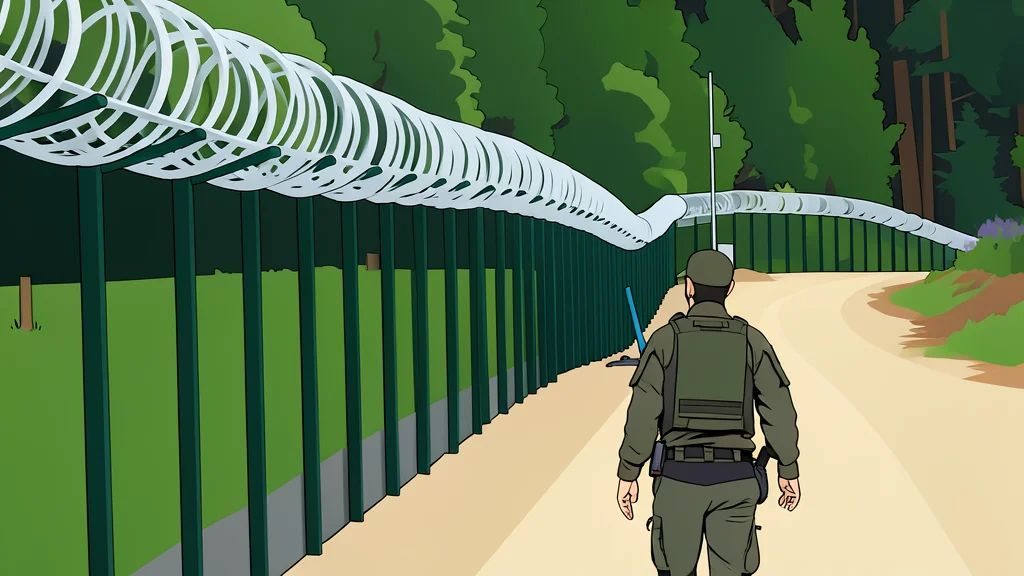
Recent incidents across Europe suggest Russia is testing the limits of Western tolerance, raising fears that a single miscalculation could trigger a broader conflict.
A series of unexplained incidents across Europe has heightened tensions between Russia and the North Atlantic Treaty Organization. According to a report by CNN, these events appear to be deliberate attempts by Moscow to probe the boundaries of what NATO will tolerate without invoking a kinetic response. The recent weeks have seen a cluster of suspicious activities, including drone sightings near Polish and Lithuanian airspace, sabotage of railway infrastructure used by former Western officials, and interference with Dutch trains. While none of these incidents have yet resulted in casualties or direct military engagement, their frequency and nature have alarmed security analysts.
European diplomats indicate that the threshold for a formal NATO response has effectively been lowered by these recurring provocations. What would have triggered consultations under Article 4 of the treaty just months ago is now being treated with a degree of caution that borders on routine acceptance. This shift suggests that Russia is successfully exploiting the ambiguity of these hybrid attacks, staying just below the line that would obligate the alliance to respond with force. The strategy appears designed to intimidate European nations and potentially deter further support for Ukraine, leveraging the fear of escalation to achieve diplomatic and strategic goals.
Hybrid Tactics Test Alliance Limits
The pattern of recent events points to a coordinated effort to disrupt European infrastructure and air space. A railway line carrying former Western officials was targeted by a drone, while another aircraft of likely Russian origin was shot down in Lithuania. Additionally, unidentified drones have been found in Poland, and a Danish helicopter narrowly avoided a Russian flare. In the Netherlands, train services were paralyzed by an act of sabotage that remains unclaimed. According to the GN geopolitics/nato desk, these incidents are not random but part of a broader campaign to test the resolve of European states.
Military experts warn that this approach is dangerous because it relies on the assumption that NATO will remain passive. However, the alliance’s military and public are reportedly not prepared for a sudden, significant jump in confrontation. If Russia makes a misstep that results in a more direct threat to a member state’s security, the response could be immediate and forceful. The current environment is described as fragile, with the risk of an accidental escalation increasing as the number of such incidents grows. The lack of clear attribution for some of these acts further complicates the situation, making it difficult for NATO to respond proportionately and effectively.
Diplomats Warn of Escalation Risk
Diplomatic sources suggest that Russia’s primary objective is to scare Europe into reducing its support for Ukraine. By creating an atmosphere of uncertainty and fear, Moscow hopes to exploit divisions within the alliance and among European publics. The gradual normalization of these incidents is seen as a tactical success for the Kremlin, as it shifts the burden of proof to NATO to justify a strong response. However, this strategy also carries significant risks for Russia, as any incident that crosses a red line could lead to a swift and severe reaction from the alliance, potentially locking Moscow into a broader conflict it may not be prepared for.
The situation remains fluid, with security officials closely monitoring for further provocations. The next few weeks are critical, as the alliance works to strengthen its defensive posture and clarify its red lines. The focus is now on preventing a single miscalculation from spiraling out of control. As the geopolitical landscape continues to shift, the importance of clear communication and coordinated responses within NATO becomes increasingly apparent. The world watches closely to see if the current tense standoff will de-escalate or if it will lead to a more direct confrontation.
Watch for Future Incidents
Analysts advise watching for any further incidents involving air space violations or infrastructure sabotage in the coming days. The reaction of NATO member states to these events will be a key indicator of the alliance’s cohesion and determination. If Russia continues with its current strategy, the risk of an unintended escalation remains high. The military and diplomatic establishments are on high alert, prepared to respond to any further provocations. The coming period will likely be defined by a delicate balance between deterrence and de-escalation, with the potential for significant consequences if that balance is lost.