Chancellor Seeks EU Access for UK Industry Scheme

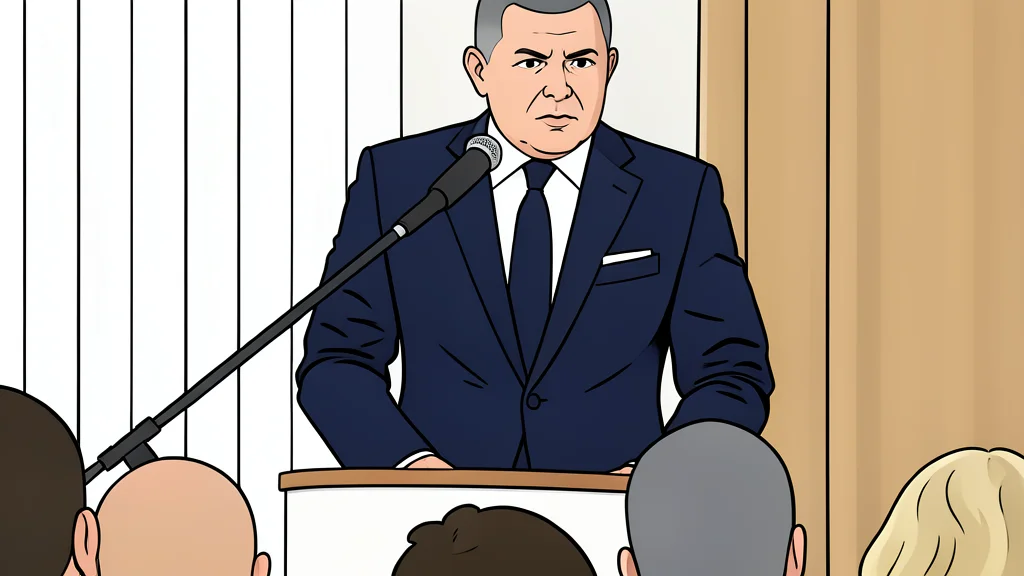
John Healey is preparing to urge European finance ministers to ensure the new Industrial Accelerator Act does not exclude British manufacturers from key supply chains.
The UK Chancellor, John Healey, is set to press European Union finance ministers to include the United Kingdom in the bloc’s emerging industrial protection framework. According to Treasury sources, Healey will argue that the "Made in Europe" initiative should strengthen economic ties with London rather than creating new barriers for British firms. This diplomatic push comes as the government seeks to mitigate the economic fallout of Brexit while maintaining a distinct strategic position.
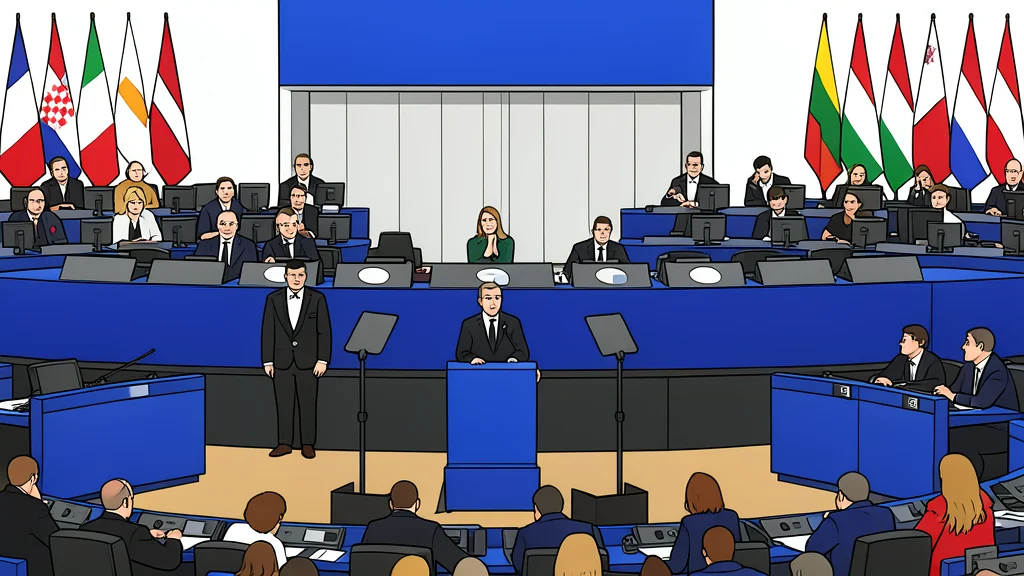
The central issue revolves around the Industrial Accelerator Act, a policy currently under consideration by Brussels to shield EU manufacturing from unfair competition, particularly from Chinese imports. While the scheme aims to bolster local industry, there are growing concerns within the British government that it could inadvertently lock UK companies out of critical European supply chains. Healey’s intervention in Dublin is intended to ensure that the regulatory architecture remains open to transatlantic and cross-channel cooperation.
Lessons from Previous Disputes
Officials have noted that the current negotiations are informed by past failures, specifically the collapse of talks last year regarding the EU defence loans scheme. That dispute centered on the financial contributions required for UK membership, a friction point that Treasury officials say must be avoided in the new industrial talks. Healey is expected to emphasize the need for pragmatic cooperation that benefits both sides, citing the importance of learning from these previous diplomatic stumbles.
The Chancellor’s approach balances the desire for closer EU integration with the need to protect national interests. As reported by BBC Business, Healey has stated that Britain’s next phase of growth depends on providing businesses with better access to customers and supply chains. However, Treasury sources stress that this pursuit of closer ties is not without limits, ensuring that any agreements do not compromise the UK’s economic sovereignty or fiscal independence.
Broader Strategic and Financial Context
This move is part of a wider effort to reset UK-EU relations, a process that was previously delayed following the resignation of Prime Minister Sir Keir Starmer. A formal reset summit is now anticipated for November. Meanwhile, Healey is also navigating complex financial landscapes, including potential discussions about joining the Defence, Security and Resilience Bank. This global institution, led by Canada, aims to lower borrowing costs for governments increasing military spending, a priority as the UK faces significant defence budget pressures ahead of the October Budget.
Looking Ahead to Brussels
As Healey prepares for the meeting in Dublin, the focus will remain on technology, defence, and manufacturing sectors. The goal is to ensure that regulatory frameworks do not hinder these industries from operating effectively across borders. Observers will be watching closely to see if the EU offers specific concessions or clarifications that could open the door for UK participation, setting the stage for a more detailed reset summit later this year.