NATO Military Chiefs Convene in Copenhagen for Annual Strategy Review
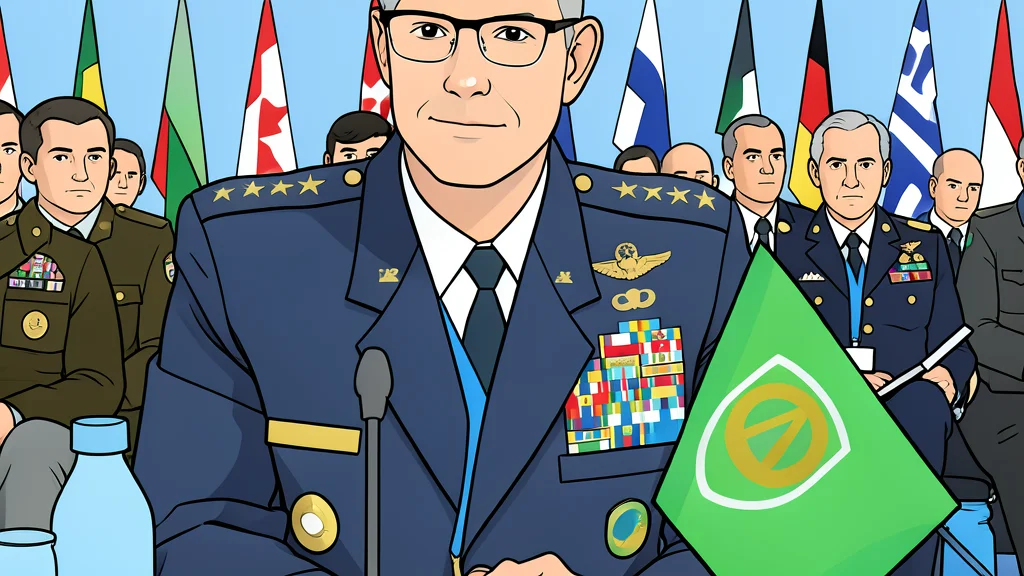
Senior military leaders from across the alliance gathered in Denmark for a two-day conference focused on operational readiness and collective defense coordination.
The North Atlantic Treaty Organization’s Military Committee held its annual conference in Copenhagen, bringing together senior defense officials from member states to discuss strategic priorities. The event, hosted by Denmark, served as a platform for the alliance to align on military posture and operational capabilities amid a complex security environment.
According to GN geopolitics/nato, the meeting featured opening remarks by Admiral Giuseppe Cavo Dragone, the Chair of the NATO Military Committee, alongside Denmark’s Minister of Defence Jeppe Bruus and Chief of Defence General Michael Wiggers Hyldgaard. Their addresses set the tone for discussions aimed at strengthening the alliance’s collective defense mechanisms and ensuring seamless cooperation among member nations.
Leaders Unveil Strategic Priorities
The conference provided a venue for high-level dialogue on the evolving threat landscape. Senior commanders emphasized the importance of interoperability and rapid response capabilities. The presence of Supreme Allied Commander Europe General Alexus G. Grynkewich and Supreme Allied Commander Transformation Admiral Pierre Vandier underscored the dual focus on current operations and future force development.
Discussions reportedly centered on enhancing the alliance’s ability to project power and defend territory. The delegation included chiefs of defense from key European nations, including Poland, Sweden, and Norway, as well as representatives from North America and the Middle East. This broad representation highlights the geographic scope of NATO’s current strategic concerns.
Danish Hosts Shape Agenda
Denmark’s role as host allowed for a focused examination of Baltic Sea security and northern European defense structures. General Wiggers Hyldgaard and Minister Bruus highlighted national contributions to alliance efforts. The location in Copenhagen symbolized the alliance’s commitment to forward presence and regional stability in the Nordic region.
The host nation’s emphasis on maritime security and air defense capabilities likely influenced the conference agenda. Officials noted that the meeting reinforced the resolve of member states to maintain a credible deterrent. The collaborative atmosphere in the conference hall reflected a shared commitment to the treaty’s core principles.
Future Focus on Readiness
As the conference concluded, attention turned to the implementation of agreed-upon measures. The alliance aims to translate strategic discussions into concrete operational plans. Observers will watch for further developments in joint exercises and defense procurement initiatives that follow from this gathering.
The next steps involve monitoring how member states integrate the conference outcomes into their national defense strategies. The military committee will continue to coordinate efforts to ensure the alliance remains adaptable to emerging challenges. This ongoing process is critical for maintaining the credibility of NATO’s collective defense pledge.