Putin Links Parliamentary Vote to War Support
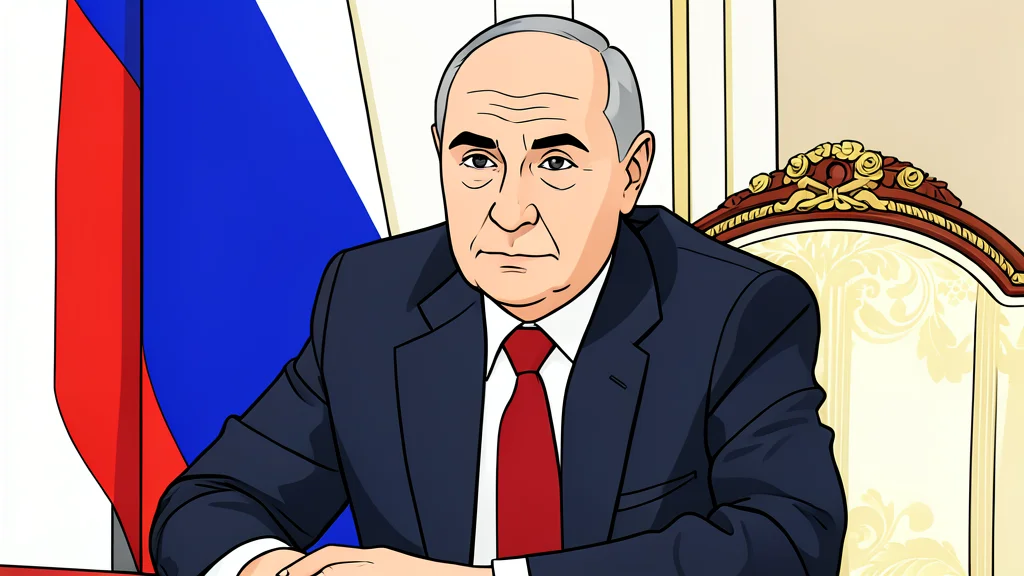
The Russian president has framed the upcoming State Duma election as a critical measure of public backing for the ongoing conflict in Ukraine, urging citizens to participate as a sign of national unity.
Russian President Vladimir Putin has described voter turnout in the upcoming parliamentary election as a direct indicator of public support for Russia’s war against Ukraine. In a televised address, the Kremlin leader urged citizens to go to the polls, framing participation not merely as a civic duty but as a collective demonstration of resolve against what he described as external pressure and attempts to undermine state sovereignty.
This comes ahead of a three-day voting period starting Friday to elect the 450 members of the State Duma, the lower house of parliament. It marks the first federal parliamentary election since the launch of the full-scale offensive in February 2022, occurring at a time when economic strain has raised anxieties among some segments of the population regarding the long-term impact of the conflict.
Political Context and Expectations
The State Duma has historically functioned with a high degree of alignment with Kremlin initiatives, and the current electoral cycle is no exception. According to France 24, the political landscape remains tightly controlled, with the ruling United Russia party widely expected to retain its dominant position. Most candidates opposing the war have been excluded from the ballot, limiting the scope of political choice available to voters.
Opinion polls suggest a growing segment of the population is becoming more anxious about how the conflict affects their daily lives, particularly as the economy faces increasing pressure. Despite these underlying concerns, the official narrative emphasizes national unity and historical memory, presenting the vote as a reaffirmation of shared values and a rejection of efforts to divide the country.
Rhetoric of National Unity
Putin’s address emphasized that casting a vote would help secure Russia's position and demonstrate the strength of the nation. He stated that the act of voting would show that millions stand behind the military effort, reinforcing the idea that the population is united by a common purpose. The rhetoric framed the election as a response to those seeking to weaken Russia's development and deprive it of its right to determine its own future.
The language used in the address focused on concepts of sovereignty and statehood, portraying the election as a defensive measure against external intimidation. By linking the electoral process directly to the war effort, the administration seeks to consolidate support and present the outcome as a reflection of the nation's collective will rather than a simple procedural event.
Forward-Looking Observations
As the voting period begins, attention will turn to the official turnout figures, which the Kremlin has positioned as a barometer of public sentiment. Analysts will likely scrutinize whether the results reflect the anticipated dominance of the ruling party and how the administration interprets participation levels in the context of the ongoing conflict. The outcome will provide insight into how the government manages internal cohesion while facing economic and diplomatic pressures.