Russia Restricts Border Zones Near Estonia Amid Mobilization Fears
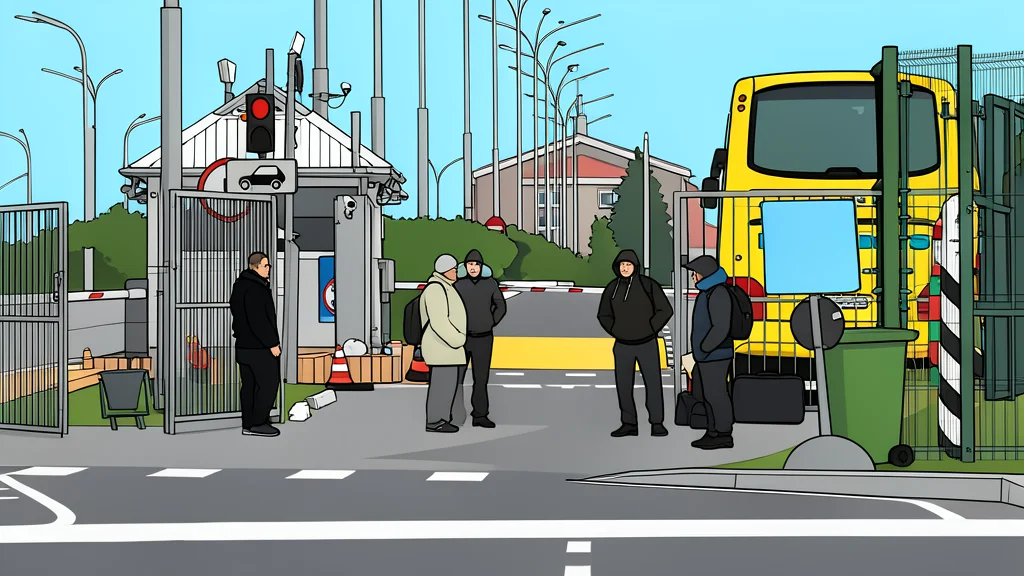
Moscow has tightened controls in two border districts as NATO warns of rising hybrid threats and potential evasion of new conscription.
Key points
- Russia has restricted movement and firearm carrying in Kingisepp and Slantsy districts near the Estonian border from Sept. 16 to 26.
- Estonia is monitoring the situation for potential attempts by Russian men to cross the border to avoid a possible new mobilization wave.
- NATO warns of increasing hybrid threats, including drone incursions and sabotage, prompting Finland and other Baltic states to strengthen defenses.
Russian authorities have introduced temporary restrictions in two districts adjacent to the Estonian border, limiting nighttime movement and access to the Narva River according to reports from Estonia’s public broadcaster. The measures, enacted by the Federal Security Service, are designed to secure the region during a period of heightened geopolitical tension and potential domestic unrest.
These controls come at a time when security concerns are intensifying across the Baltic region. NATO officials have recently warned about a series of Russian drone incursions, airspace violations, and sabotage attempts, prompting neighboring states to bolster their air defense capabilities in response to these hybrid threats.
Specific controls in Leningrad Oblast
The restrictions apply specifically to the Kingisepp and Slantsy districts of Leningrad Oblast. For the duration of the measure, which runs from September 16 to September 26, residents face limitations on carrying firearms and hunting in designated border zones. Moscow has stated that the primary objective is to strengthen border security and prevent violations of migration regulations.
While the official justification focuses on standard border control, the timing suggests a more complex context. The Kyiv Independent notes that these actions coincide with discussions regarding a potential new wave of mobilization in Russia following recent parliamentary elections. Such a development could incentivize more individuals to attempt to cross the land border into Estonia to avoid conscription.
Estonia monitors potential evasion attempts
Estonian authorities have stated that they are closely monitoring the situation along the shared border. While officials do not perceive an immediate military threat to the country, they acknowledge the possibility that the new Russian restrictions are linked to efforts to manage population movement related to conscription concerns. This vigilance is part of a broader regional response to shifting security dynamics.
The situation is further complicated by intelligence suggesting that Russia might utilize Ukrainian-made drones for false flag-style attacks on critical infrastructure in the Baltic region, as reported by Lithuania in August. This backdrop of potential sabotage underscores why border security measures are being tightened even in the absence of direct kinetic conflict.
Regional border security trends
Elsewhere along Russia’s northwestern frontier, Finland has maintained a complete closure of its land border with Russia since late 2023. In September, the Finnish government proposed extending its Border Security Act until the end of 2028, citing the continuing risk of hybrid operations and the need for long-term preparedness in the region.
Recent months have also seen Russian drone strikes occur in close proximity to the borders of Poland and Moldova, further illustrating the breadth of the current security challenges. As the region braces for potential further escalations, the focus remains on how these temporary restrictions will evolve and whether they signal a broader shift in border management strategies.