Inuit Leaders Warn of Canadian Arctic Shift
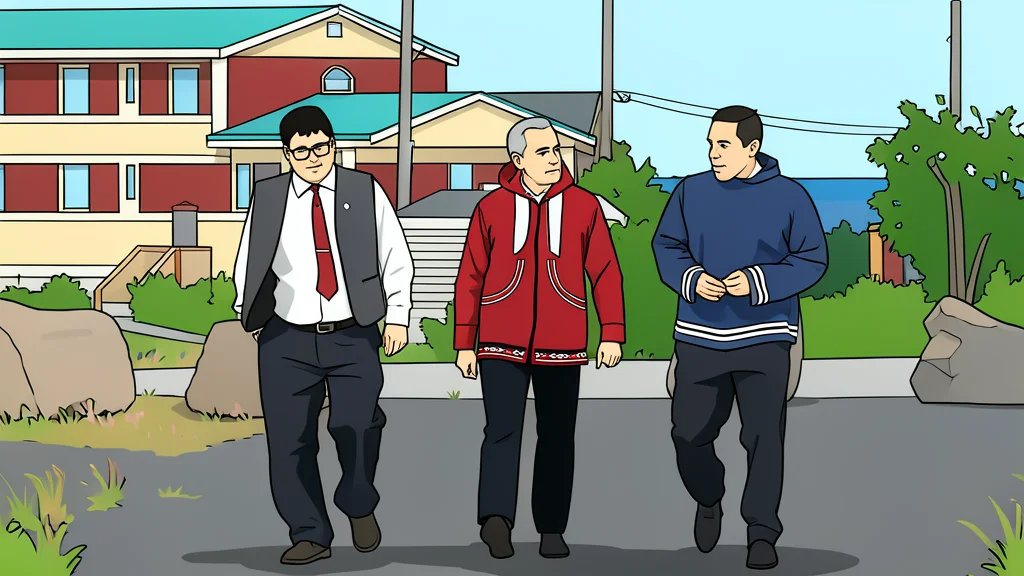
ITK president Natan Obed states Inuit groups were excluded from $40B Arctic infrastructure plans, prompting calls for alternative partnerships.
Key points
- Inuit Tapiriit Kanatami was excluded from consultations on Canada's $40 billion Arctic infrastructure plan.
- Federal devolution of land rights to territories is criticized by Inuit leaders as undermining treaty protections.
- Some Indigenous leaders suggest pursuing international partnerships as a response to strained ties with Ottawa.
A growing diplomatic rift is emerging between Canada’s federal government and Inuit leadership in the Arctic. According to a report by Foreign Policy, Indigenous representatives have expressed deep concern over a perceived shift in Ottawa’s engagement strategies. This tension arises despite the critical role Inuit organizations have historically played in resource governance across the northern territories.
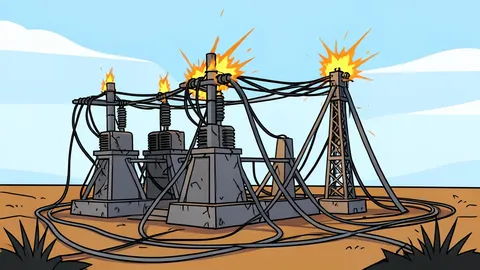
The core of the dispute centers on recent federal infrastructure initiatives. In March, the government announced a $40 billion investment plan aimed at transforming the northern region. However, Inuit Tapiriit Kanatami, the national Inuit organization, was not invited to participate in the consultation process. This exclusion has led some leaders to suggest that seeking international partnerships, potentially with China, could be a necessary response to the current policy environment.
Historical Treaty Rights Under Pressure
For decades, modern treaties signed across Inuit Nunangat have granted Indigenous bodies significant authority over land and resource development. These agreements allow Inuit organizations to influence or even veto projects that impact traditional hunting and gathering activities. During the tenure of former Prime Minister Justin Trudeau, these treaty organizations were frequently treated as preferred partners for federal funding and consultation, often taking precedence over territorial governments.
The current administration under Prime Minister Mark Carney has reportedly altered this dynamic. Federal officials have increasingly directed negotiations toward territorial governments, which represent both Indigenous and non-Indigenous populations. Critics argue that this shift sidelines specific Inuit rights in favor of broader provincial interests. This change is particularly sensitive given the strategic importance of the region’s mineral reserves for green and military technologies.
Criticism of Federal Devolution Plans
Natan Obed, president of Inuit Tapiriit Kanatami, highlighted the exclusion at a recent summit on Arctic sovereignty in Ottawa. He stated that Inuit people are not being treated as essential participants in decisions affecting their homeland. This sentiment is compounded by an ongoing devolution process, where the federal government is transferring land and mineral rights to territorial authorities.
While the government frames these transfers as a step toward greater self-determination, many Indigenous critics view the process with skepticism. They argue that shifting power from one largely non-Indigenous government to another does not inherently increase Inuit control. Instead, it risks diluting the specific protections established by previous treaties, leaving Inuit communities with less leverage in major economic decisions.
Potential International Partnerships Exploring
In response to the strained relationship with Ottawa, some Inuit leaders are exploring alternative diplomatic avenues. The suggestion of pursuing partnerships with foreign entities, including China, has gained traction as a way to secure economic benefits and political recognition. This move underscores a broader trend of Indigenous groups seeking to leverage international relationships to bolster their domestic negotiating power.
The situation presents a complex challenge for Canadian unity. While the federal government aims to accelerate northern development, the exclusion of primary stakeholders threatens to deepen political divisions. Observers will closely watch whether Inuit organizations formalize these external contacts or if Ottawa reverses course to restore direct engagement with Indigenous leadership.