Trump Pursues Belarus Potash Deal Amid Canada Trade Dispute
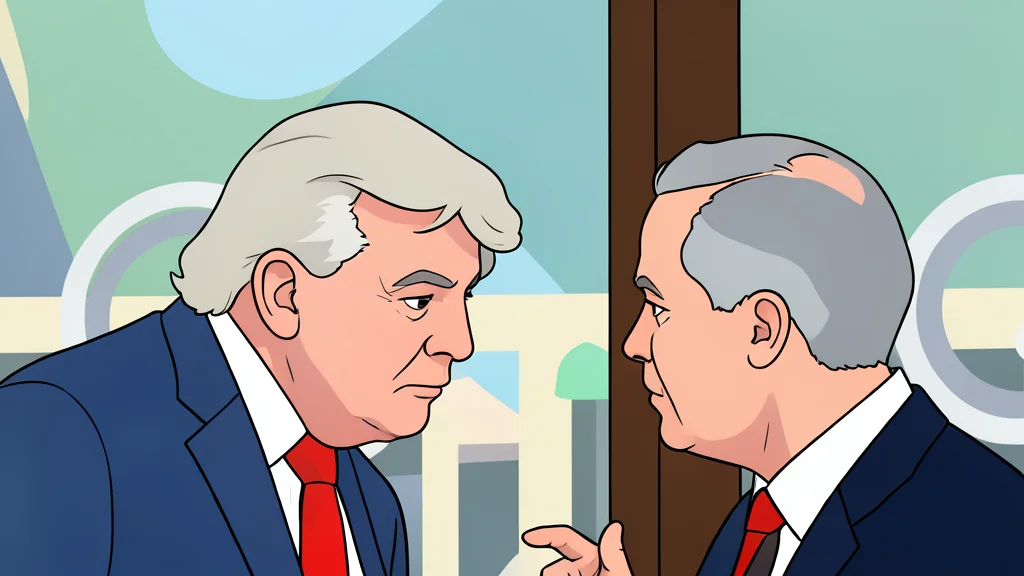
The US administration is exploring a major potash purchase from Belarus, citing lower costs than current Canadian imports despite ongoing geopolitical tensions.
Key points
- Trump claims a Belarus potash deal will cost less than current Canadian imports.
- Canada supplied 79% of US potash in 2024, while Belarus provided 4%.
- Opposition leaders warn that potash revenue may fund repression in Belarus.
President Donald Trump has announced that the United States is negotiating a significant agreement to purchase potash from Belarus. This move represents a strategic shift away from Canada, which has traditionally been the primary supplier of the chemical salt used in fertilizers. The administration argues that the new pricing structure will be substantially lower than current Canadian rates, offering potential cost savings for American farmers and ranchers.
The announcement coincides with an escalation in trade tensions between Washington and Ottawa. In recent weeks, the US has intensified its trade dispute with its long-standing ally, creating pressure to diversify supply chains. According to The Guardian, this pivot signals a willingness by Washington to engage economically with Minsk, despite the complex diplomatic landscape surrounding Belarus’s support for Russia’s invasion of Ukraine.
Supply Chain Dependencies
The United States relies heavily on imported potash, with domestic production insufficient to meet agricultural demand. Prior to the recent geopolitical shifts, the majority of these imports originated from a small number of countries. Data from the US Geological Survey indicates that in 2024, nearly 80 percent of US potash imports came from Canada, while approximately 11 percent were sourced from Russia and 4 percent from Belarus.
Prices for these essential agricultural inputs surged following the onset of the war in Ukraine in 2022, straining farm budgets across the continent. By seeking alternative suppliers, the US administration aims to mitigate price volatility and reduce dependency on a single geographic region. This diversification strategy is intended to stabilize the market and provide more predictable costs for the agricultural sector.
Diplomatic Tensions and Risks
While the US has taken steps to thaw relations with Belarus, including the release of political prisoners and the lifting of certain sanctions, significant concerns remain. The administration’s engagement with Minsk occurs against a backdrop of ongoing repression of dissidents and continued support for Russian military operations. Critics argue that any economic deal risks channeling revenue directly into regimes that suppress political freedoms and fund conflict.
Sviatlana Tsikhanouskaya, the exiled opposition leader, has warned that trading with the current regime is highly risky. According to her statements to Agence France-Presse, income from potash sales could be used to support repression and the Russian war machine. She emphasized that the US public is aware of the regime’s nature, suggesting that economic engagement may not align with broader democratic values.
Future Trade Dynamics
The potential deal highlights the complex intersection of economic necessity and geopolitical alignment. As the US seeks to balance trade interests with foreign policy goals, the outcome of these negotiations will serve as a test of its approach to authoritarian regimes. Observers will watch closely to see if the proposed pricing is indeed lower and whether the agreement can be finalized without triggering further diplomatic friction.