UK Rejects EU Delisting of Two Russian Oligarchs
London insists on keeping economic pressure on Moscow, defying a Brussels compromise that removed two figures from the sanctions list.
Key points
- UK PM Burnham told Zelensky Britain will not delist oligarchs Usmanov and Fridman.
- The EU finalized a deal to extend sanctions for 3,000 individuals and entities.
- France backed delisting after Azerbaijan linked it to the release of two French prisoners.
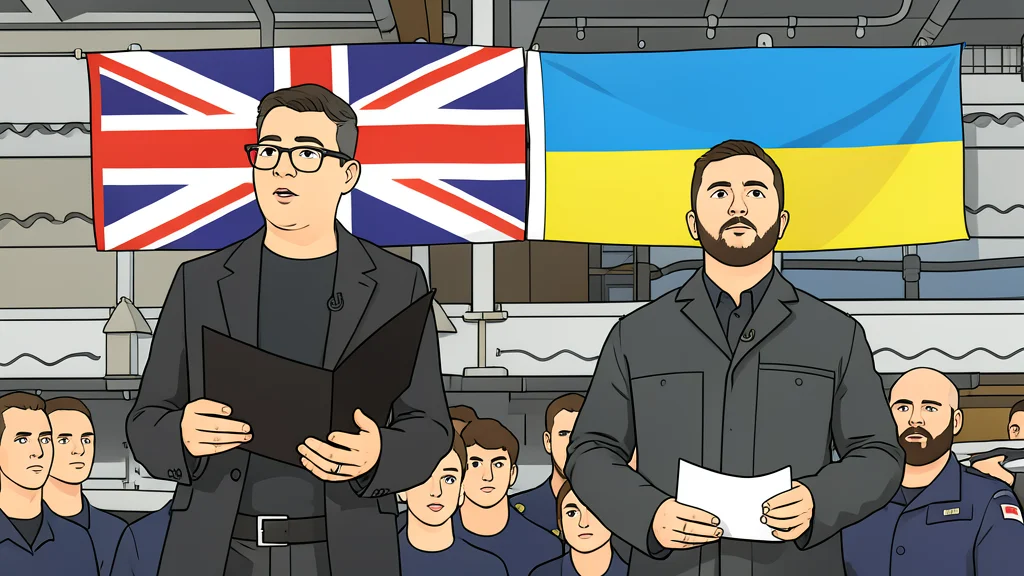
UK Prime Minister Andy Burnham told Ukrainian President Volodymyr Zelensky that Britain will not lift sanctions on two Russian oligarchs. This stance was communicated during a private meeting at the United Nations General Assembly, according to Bloomberg sources.
The decision places London at odds with Brussels. The European Union recently agreed to extend sanctions for 3,000 individuals and entities. However, the new package excludes Alisher Usmanov and Mikhail Fridman, who were removed from the restrictive list as part of a broader diplomatic compromise.
Diplomatic friction over prisoner release
France reportedly supported delisting the two oligarchs. This move followed a demand from Azerbaijan, which linked the release of two French nationals to the removal of their names from the sanctions list. The exact reasoning behind Baku’s condition remains unclear to outside observers.
The process nearly collapsed due to delays by Slovakia and France. The EU requires unanimous agreement for such measures. Latvia pushed back against the delisting of Usmanov and Fridman until the final moment, describing the situation as unprecedented.
Pressure to maintain economic constraints
Burnham emphasized that allies must keep sanctions in place. He argued that maintaining economic pressure is essential to help bring the war to an end. This warning highlights the divergence between Western capitals on how to handle economic leverage against Moscow.
The EU’s final deal on September 22 included travel restrictions and asset freezes. These measures apply to the remaining 3,000 individuals and entities on the list. Most of these targets are Russian, reflecting the ongoing effort to isolate the country economically.