Ukraine Drone Production Forces NATO Strategic Shift
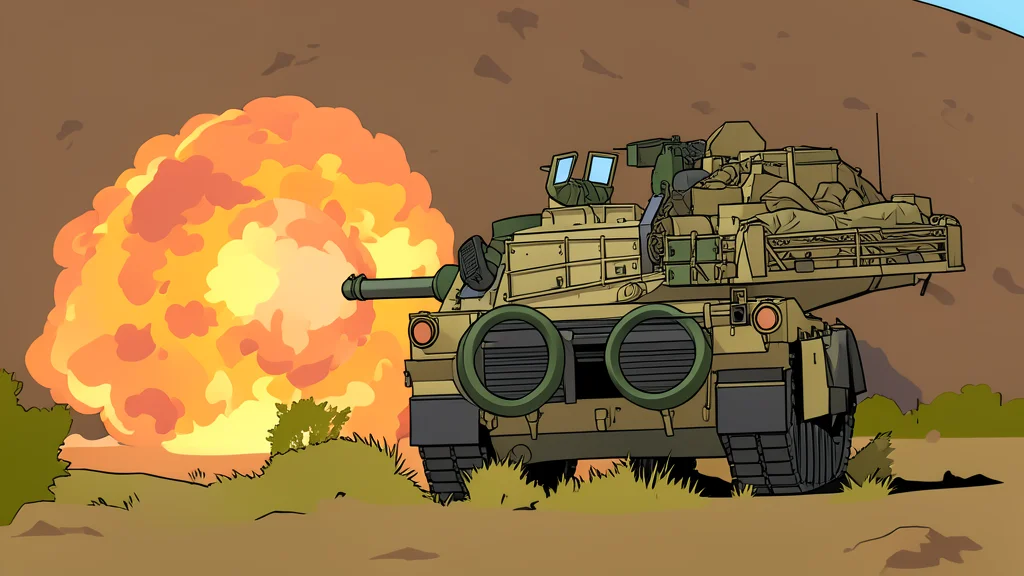
Ukrainian jet-powered drone production has outpaced NATO supply, prompting European allies to form a new air defense coalition named Freyja.
Key points
- Ukraine produced nearly two million drones in 2024, outpacing NATO supply by a factor of two.
- Russia now manufactures 3,000 jet-powered UAVs monthly, forcing Ukraine to develop faster interceptors.
- Nine European allies formed the Freyja coalition to address shortages of U.S.-made Patriot air defenses.
The five-year anniversary of the end of NATO’s conflict in Afghanistan has coincided with a fundamental shift in modern warfare. According to analysis from 19fortyfive.com, the Russo-Ukrainian war has exposed a significant gap between the alliance’s preparedness and the realities of contemporary combat, particularly regarding unmanned aerial systems.
While NATO forces largely withdrew from active conflict zones, Russia and Ukraine have become heavily entrenched in a war defined by the mass deployment of cheap, replaceable drones. This technological disparity is now forcing the alliance to reconsider its defense strategies, procurement priorities, and operational doctrines.
Drone Production Outpaces Alliance Supply
Ukraine has demonstrated remarkable industrial adaptability, producing nearly two million drones annually in 2024. In contrast, NATO supplied only half that amount to Kyiv. Russia has also scaled up its manufacturing, moving from imported Shahed units to producing 3,000 jet-powered unmanned aerial vehicles monthly, a capacity that far exceeds initial Western estimates.
The rise of jet-powered drones, which are three times faster than previous models, has created a critical defense challenge. Ukraine must now invest heavily in new air defense systems capable of intercepting these high-speed threats, while also contending with tactical shifts that prioritize frequent, small-scale strikes over large swarms.
Tactical Changes Disrupt Traditional Defense
The dominance of drones is rendering traditional military assets less effective. Denys Shtilerman, a designer at Ukrainian munitions manufacturer Fire Point, describes heavy investments in tanks as largely worthless in this environment. Meanwhile, Ukrainian National Guard Commander Oleksandr Pivnenko notes that large troop convoys have become easy targets, forcing a rethink of how forces assemble and move.
The psychological impact is also profound. Russian tactics of launching fast drones in small numbers have disrupted daily life for Ukrainians, who are increasingly required to remain in shelters throughout the day rather than just at night. This sustained pressure highlights the economic and social costs of modern asymmetric warfare.
European Allies Form New Coalition
NATO is currently playing catch-up, with members increasing defense budgets and reviewing their European military presence. However, bureaucratic inertia remains a concern, with some Ukrainian officers criticizing the reliance on outdated training materials. The alliance is now shifting focus from heavy hardware to the rapid development of air defense capabilities.
In response to shortages of U.S.-made Patriot systems, nine European allies have joined Ukraine in a new air defense coalition known as Freyja. The objective is to develop cheaper, more accessible air defense solutions to counter the growing threat of jet-powered drones, marking a significant pivot in European defense cooperation.