Ukraine Reports 57,000 Women in Active Military Roles
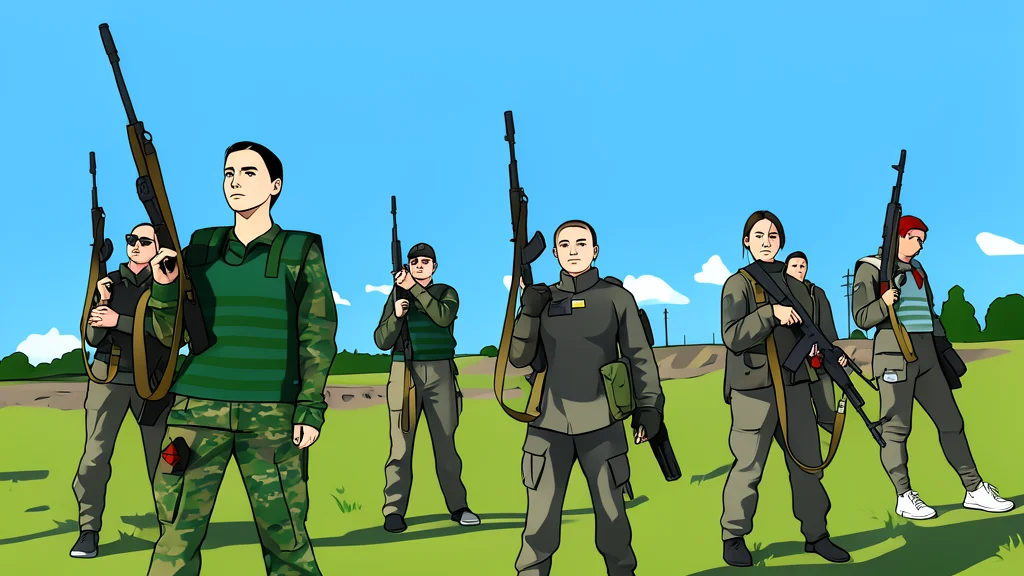
Over 76,000 women serve in Ukraine's armed forces, with more than 20,000 in combat positions as of September 2026.
Key points
- Over 57,000 women serve as active military personnel in Ukraine's Armed Forces.
- More than 20,000 female service members hold combat positions as of September 2026.
- Four women currently hold the rank of general in the Ukrainian military.
Ukraine’s General Staff confirmed that over 57,000 women serve as active military personnel. This figure includes those in combat and support roles within the Armed Forces.
The total number of women serving in the military has reached more than 76,000. The remainder hold civilian positions, according to data released by the General Staff.
Rapid growth in female service numbers
The number of women in the military increased by about 1,000 since March 2026. At that time, more than 75,000 women were already serving in the forces.
This growth follows a period where the total nearly doubled since the full-scale invasion began. Legal restrictions on women in combat roles were lifted in 2018.
Expansion into diverse combat roles
As of September 2026, more than 20,000 female service members hold combat positions. The General Staff provided this figure in response to an inquiry from the Kyiv Independent.
Oksana Hryhorieva, a gender affairs advisor, stated that combat roles are broad. They include drone pilots, medics, signalers, and electronic warfare specialists.
Leadership and cultural shifts in the military
Four women currently hold the rank of general in Ukraine. Tetiana Ostashchenko became the first woman brigadier general in 2021. Others received their ranks in the Security Service and Interior Ministry.
Hryhorieva noted that women can now reach the highest officer positions. This marks a fundamental change in the professional path available to female soldiers.
The advisor emphasized that modern warfare relies on technology and intelligence. These fields allow women to serve effectively based on performance rather than gender. The focus remains on equal access to opportunities and professional development.