Ukraine's Pelican Weapon Sparks Debate over Missile Status
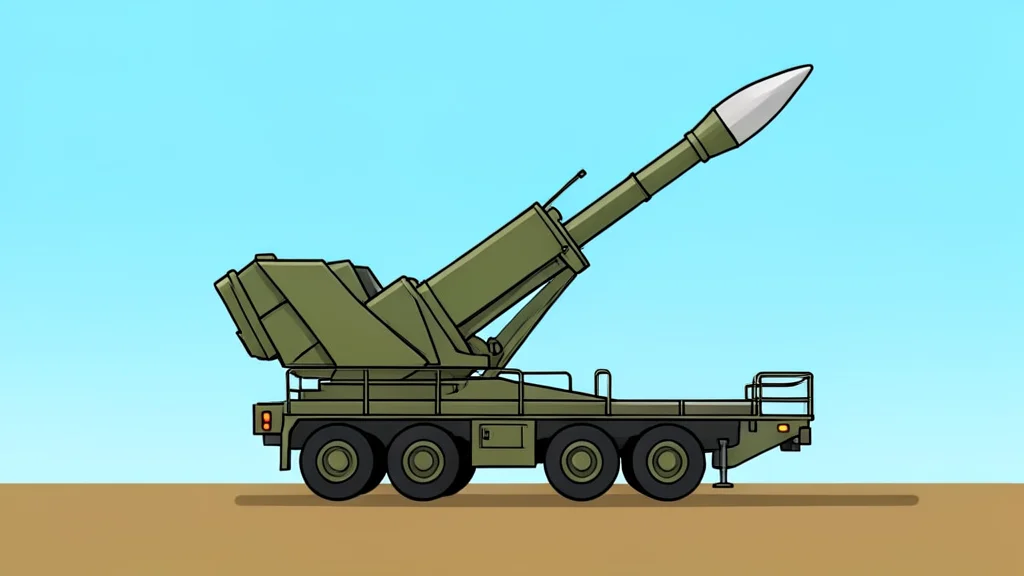
Military analysts debate whether Ukraine's new Pelican system is a tactical ballistic missile or an advanced drone following recent strikes.
Key points
- Ukrainian President Zelenskyy confirmed the use of a 'Pelican' system in strikes on Russian oil and logistics facilities.
- Analysts debate whether the Pelican is a Fire Point FP-7 ballistic missile or an advanced drone, with conflicting media reports.
- Ukraine's domestic defense production has expanded significantly, with local manufacturers now meeting over half of the military's equipment needs.
Ukrainian President Volodymyr Zelenskyy confirmed the first use of a weapon system designated as the "Pelican" during a large-scale strike on Russian territory. The disclosure has triggered significant discussion among military analysts regarding the precise classification of the system, with conflicting reports emerging about whether it functions as a tactical ballistic missile or a long-range drone.
According to Al Jazeera English, Zelenskyy stated that the attack, which coincided with the final day of voting in Russia’s parliamentary elections, resulted in at least three fatalities. He listed the Pelican alongside other systems such as the FP-1 and RZ-100, claiming the strikes hit key oil industry and logistics facilities. While Moscow reported intercepting over 1,600 drones, the specific nature of the Pelican remains a point of contention in open-source intelligence analysis.
Conflicting reports on system classification
Ukrainian media outlets have attempted to link the Pelican designation to the FP-7 tactical ballistic missile developed by the defense firm Fire Point. Iryna Terekh, the CEO of Fire Point, recently stated that the FP-7 could be deployed to target Russia within weeks. The system is described as ground-launched, capable of striking targets up to 200 kilometers away with a warhead weighing up to 150 kilograms.
However, other reports contradict this identification. The RBC-Ukraine news agency cited unnamed sources claiming the Pelican is actually an aircraft-type drone. Additionally, The New Voice of Ukraine reported that Fire Point applied to register the Pelican trademark earlier this year, creating a plausible connection to the company's existing product line, which includes the FP-5 Flamingo cruise missile. There is currently no official confirmation from Kyiv that the FP-7 is the specific weapon referred to as the Pelican.
Expansion of domestic defense production
The introduction of new systems like the Pelican reflects a broader trend in Ukraine’s military-industrial complex. The Ukrainian defense ministry reported in February that domestic production capacity had increased fifty-fold, reaching an estimated value of fifty billion dollars. This expansion means that local manufacturers now satisfy more than half of the armed forces' requirements for weapons and military equipment.
Ukraine has also focused on defensive capabilities, particularly against Iranian-made Shahed drones. Zelenskyy announced the successful deployment of a new interceptor drone developed by the Security Service of Ukraine. Former Commander-in-Chief Oleksandr Syrskyi noted that over seventy percent of Shahed-type attack drones were destroyed using these interceptor drones in February, highlighting a shift toward autonomous air defense solutions.
Strategic implications of long-range strikes
The ambiguity surrounding the Pelican's technical specifications complicates the assessment of Ukraine's current reach. If it is indeed a tactical ballistic missile comparable to the US-made ATACMS, it represents a significant milestone in indigenous long-range strike capability. Fire Point founder Denys Shtilerman had previously noted that their systems are more cost-effective than Western counterparts, potentially allowing for higher volumes of production.
Observers will watch for further official disclosures from Ukrainian authorities to clarify the weapon's role in ongoing operations. The distinction between a ballistic missile and a drone has tactical implications for interception strategies and international norms regarding long-range attacks. As Ukraine continues to scale up its defense industry, the integration of new, unverified systems into combat operations remains a key area of scrutiny for global security analysts.